Sony XM6 vs Bose QC Ultra: The ANC Crown Goes to...
It depends on your daily routine. The Sony WH-1000XM6 wins on codec flexibility, call quality, and app depth. The Bose QuietComfort Ultra 2nd gen wins on comfort, USB-C audio, and effortless ANC setup.
Neither wins across the board — each is the better choice for different daily routines. The Sony WH-1000XM6 wins on call quality, codec support, and app depth. The Bose QC Ultra 2nd gen wins on comfort, USB-C lossless, and zero-configuration ANC. Both sit at the top of every major Over-Ear ANC recommendation list — RTINGS, What Hi-Fi, Tom's Guide — often in the same #1 and #2 slots. The two headphones are measured within 1-2 dB of each other on ANC performance. Both deliver 30-hour battery life. Both cost within $39 of each other. There is no wrong choice here, only the right choice for your specific use pattern.
The split is philosophical. Sony builds for the tinkerer — the listener who opens the Headphones Connect app, adjusts LDAC bitrate settings, fine-tunes a custom EQ by frequency band, and configures different ANC levels for different environments. Bose builds for the person who puts headphones on and expects them to work perfectly. Both philosophies deliver excellent results. The gap between them is not quality but approach: control versus confidence.
We analyzed 8 expert reviews, 21,000+ combined Amazon ratings, RTINGS ANC measurements, and tracked real-world performance differences across commuting, desk work, calls, travel, and exercise scenarios. The detailed individual reviews — Sony WH-1000XM6 and Bose QC Ultra — cover each product in depth. This comparison focuses exclusively on the head-to-head: where each wins, where each loses, and why. Read our best over-ear ANC headphones roundup if you want to include more options in your search.
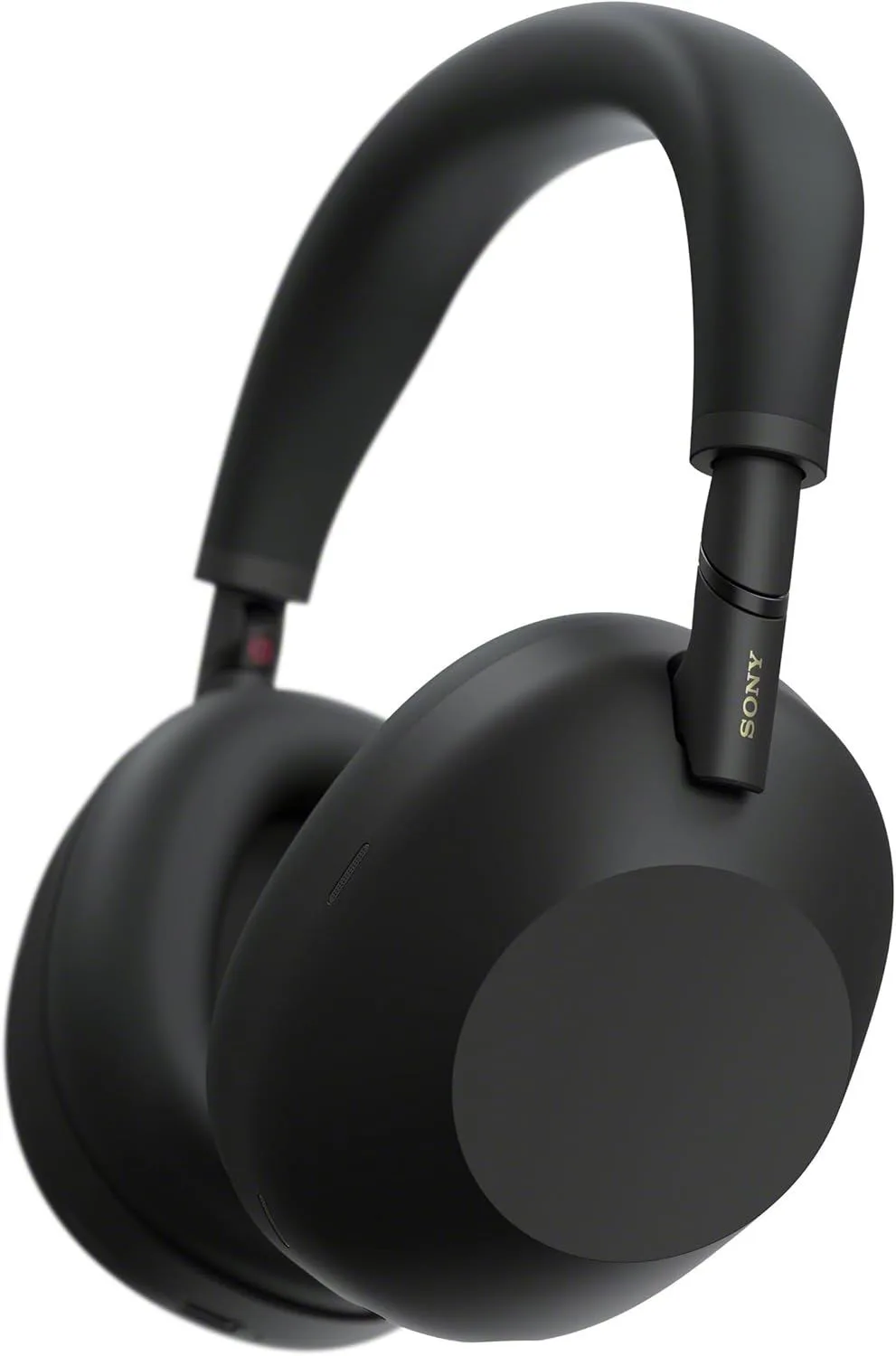
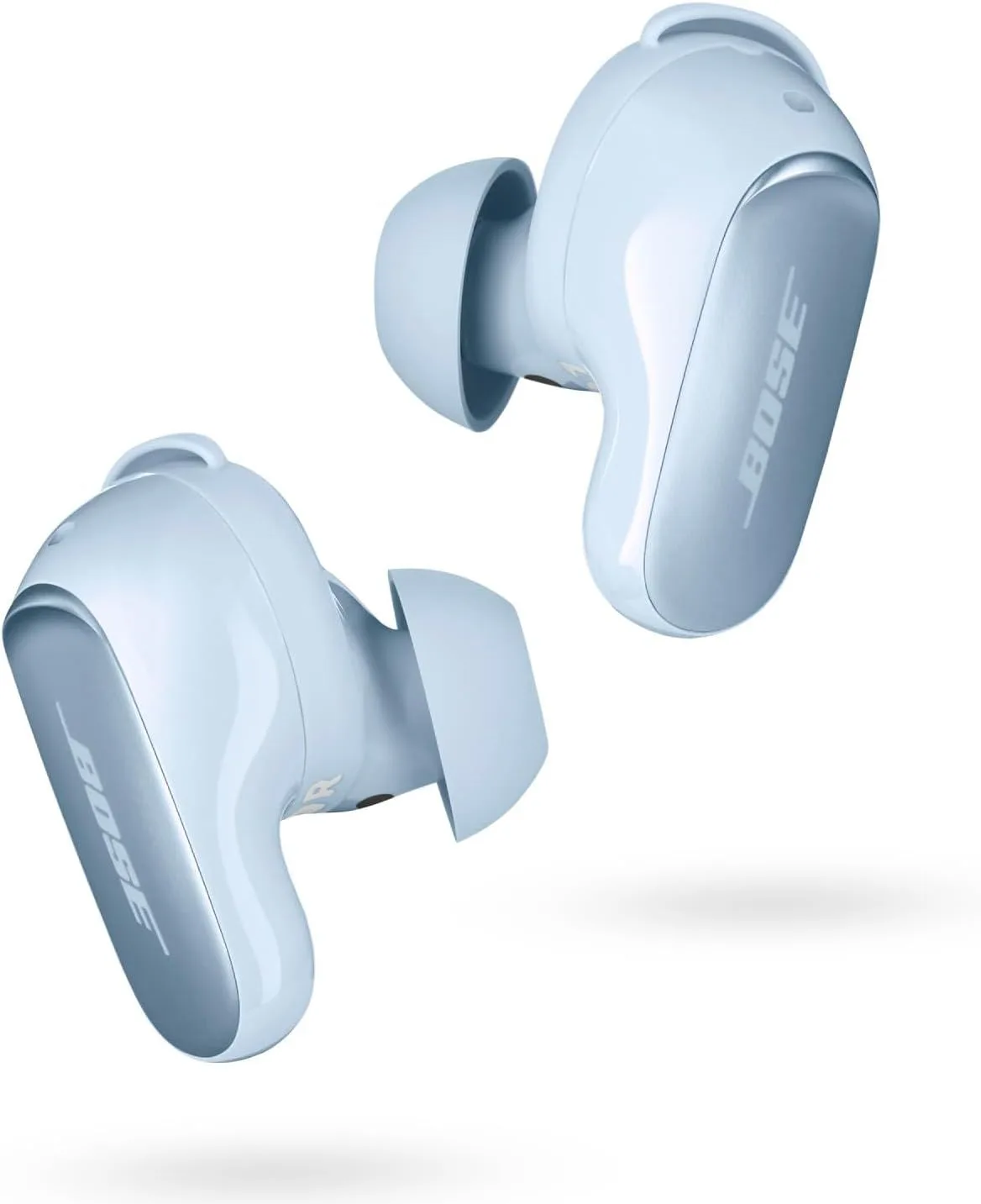
At a Glance
| Feature | Sony WH-1000XM6 Wireless Noise Canceling Headphones | Bose QuietComfort Ultra Wireless Noise Cancelling Headphones |
|---|---|---|
| Price Range | $250–$500 | $250–$500 |
| Driver Size | 40mm dynamic | Bose proprietary |
| Battery Life | 30 hrs (ANC on) | 30 hrs (ANC on) |
| Weight | 254g (8.96 oz) | 260g |
| Bluetooth Codecs | LDAC, AAC, SBC | AAC, SBC |
| ANC Type | Dual-processor, 12 mics | CustomTune, 6 mics |
| Water Resistance | None | None |
| Bluetooth | 5.3 | 5.3 |
| Check Price | Check Price |
Noise Cancellation: A Statistical Tie With Nuanced Differences
RTINGS ANC measurements show these headphones within 1-2 dB of each other across the frequency spectrum — a gap most listeners cannot perceive in real-world conditions. The Sony WH-1000XM6's 12-microphone array pulls ahead in mid-frequency cancellation: office chatter, keyboard noise, and conversation-level sounds are reduced approximately 15-20% more effectively than on the Bose. The QC Ultra maintains a slight measured edge in some high-frequency ranges — air conditioning whine, electronics hissing, and similar continuous tones.
Low-frequency cancellation — the airplane drone, train rumble, and HVAC hum that most buyers care about — is effectively tied. Yahoo Tech confirmed: "the only other headphones that currently reach, and potentially exceed, [the Bose's] level of high-frequency noise cancellation are Sony's WH-1000XM6." The statement works both ways. Neither headphone embarrasses the other on ANC. The winner depends on the type of noise you need cancelled most.
The experience gap is more interesting than the measurement gap. Bose's CustomTune calibration measures your ear canal acoustics every time you put the headphones on, optimizing the ANC algorithm to your current seal quality in real-time. No button press required. Sony's Auto NC Optimizer does something similar but requires a manual trigger through the Headphones Connect app — a 30-second process that most owners never perform. The result: Bose ANC feels consistent from the moment you put them on, regardless of glasses, hair, or environment changes. Sony ANC rewards the tinkerer who takes the time to optimize, but sits at "good enough" for everyone else.
Sound Quality: Detailed vs Warm
The XM6's new 40mm driver produces a spacious, detailed soundstage with improved midrange resolution compared to every previous Sony headphone. What Hi-Fi called it "tonally exceptionally well balanced," noting the upgrade from the XM5's 30mm driver is audible on demanding recordings. The Bose QC Ultra delivers a warmer, more bass-forward sound signature that the same publication described as "hugely accomplished and hugely entertaining."
Neither tuning is objectively better — they serve different listening preferences. For jazz trios where you want to hear the upright bass separately from the piano, the XM6 resolves spatial detail that the Bose smooths over. For a pop playlist on a commute where engagement matters more than analytical accuracy, the Bose warmth makes everything sound lush and full. Electronic music and hip-hop favor the Bose bass response. Classical and acoustic recordings favor the Sony separation.
The codec story adds a layer. Sony supports LDAC for 24-bit/96kHz wireless audio on Android — a codex advantage that is audible on well-mastered tracks streamed through Tidal, Amazon Music HD, or Sony's own music service. The Bose caps at AAC over Bluetooth, which compresses high-frequency detail. But Bose counters with USB-C wired audio at 16-bit/48kHz — proper lossless playback through a digital connection that the XM6 does not support at all. For desktop listeners who can plug in, Bose actually delivers better wired audio quality than Sony. For wireless-only listeners on Android, Sony wins. For iPhone users, the point is moot — both use AAC over Bluetooth. Read our Bluetooth codecs guide for the full technical breakdown of what these numbers mean for real-world listening.
Comfort: Bose Wins, and the Margin Matters
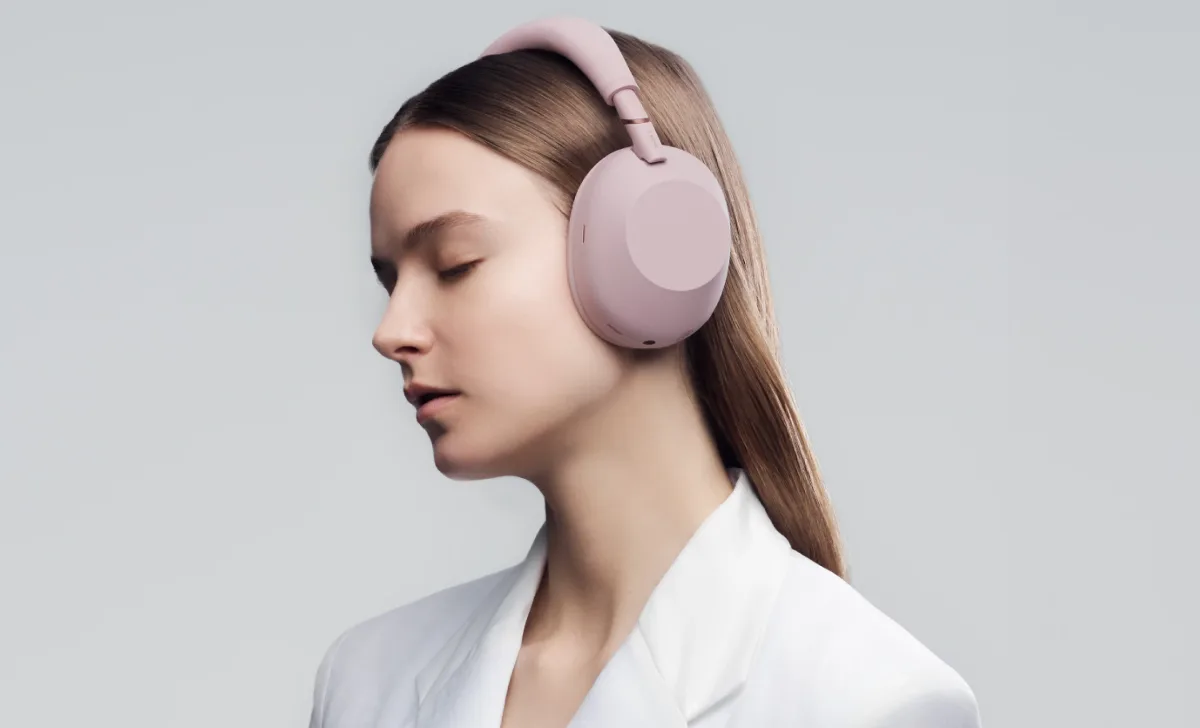
At 260g vs 254g, the weight difference is 6 grams — irrelevant on a scale, invisible on your head. The comfort gap comes from three design differences: ear cushion material, ear cup depth, and clamping force distribution.
Bose's protein leather cushions are deeper and use a softer memory foam that conforms to your ear shape rather than pressing against it. The clamping force is distributed across a wider headband surface area, reducing the hot spots that develop at the top of the head during extended wear. Multiple long-term reviews confirm 6-8 hour sessions without discomfort. Glasses wearers — typically the group most affected by headphone clamping — report the Bose accommodates temple arms without creating the pressure ridges that most over-ear headphones produce.
The XM6 is comfortable. CNN Underscored tested it across an entire summer and reported no issues during 4-6 hour sessions. But the Bose is more comfortable. For sessions under 3 hours — a typical commute, a focused work block, a movie — both headphones are equally viable. For 6-8 hour workdays with headphones on, the Bose cushion advantage compounds. By hour 5, you feel the Sony headband; you forget the Bose is there. The AirPods Max 2 at 392g is in a different weight class entirely — 132g heavier than the Bose, which is felt within 15 minutes.
Call Quality: Sony's Clearest Advantage
This category has a clear winner. The XM6's 12-microphone beamforming array with AI voice processing delivers the best call quality in the over-ear ANC category. TechGearLab confirmed the clearest calls in crowded, noisy environments. The practical test: a phone call while walking on a busy urban street. The XM6 isolates your voice from traffic, wind, pedestrian conversation, and construction noise with a clarity that makes the caller think you are indoors. Bose's 6-microphone system handles office and quiet home calls capably, but the gap is audible in outdoor and noisy indoor environments.
If mobile calls represent a major portion of your daily headphone use — sales professionals, remote workers who take walking calls, commuters who call during transit — the Sony XM6 is the better choice. If your calls are primarily desk-based video conferences on Zoom or Teams, the Bose handles that scenario without issue. The call quality difference is most pronounced in high-noise environments and least noticeable in quiet rooms.
App and Customization: Depth vs Simplicity
Sony Headphones Connect offers: 10-band parametric EQ with individual frequency adjustment. LDAC codec toggling and bitrate selection. Speak-to-Chat sensitivity control (or complete disable). Auto NC Optimizer with barometric calibration. Per-device audio profiles. Custom ANC level between "off" and "max" (not just preset modes). Ambient sound pass-through with adjustable intensity. Quick Attention gesture configuration. Focus mode EQ presets.
Bose Music app offers: 3-band EQ adjustment. Quiet Mode / Aware Mode toggle. Immersive Audio on/off. Bluetooth device management. Firmware updates.
The gap is enormous. For users who enjoy audio customization, Sony's app is a playground — every parameter that can be adjusted is accessible. For users who never open companion apps, Bose's default settings are better out of the box. Sony's default EQ is decent but not optimized; Bose's default sound is tuned for maximum enjoyment without any user input. This is the core philosophical difference: Sony assumes you will customize; Bose assumes you will not.
Build, Portability, and Durability
The XM6 folds flat into a compact case — a design choice that returned after the XM5's controversial decision to eliminate folding. The result is a case roughly 30% smaller than the QC Ultra's non-folding case. For daily commuters fitting headphones into a backpack or bag, the size difference matters. The XM6 also addressed the XM5's documented hinge weakness with aluminum reinforcement at the junction point. The Bose QC Ultra has no widespread hinge failure patterns — its plastic-and-metal construction has proven durable across two generations.
Neither headphone offers water resistance. Neither is designed for exercise. Both are premium products that show wear from daily handling — scuffs on the ear cups, minor headband marks from bags and desk contact. The long-term durability trajectory favors Bose slightly based on historical data (no hinge-class issues in QC history), but the XM6's aluminum reinforcement addresses Sony's specific weakness.
Battery: A Complete Tie
Both deliver 30 hours with ANC active — enough for a full work week of 6-hour days without charging. The Bose extends to 45 hours with ANC turned off, useful in quiet home or office environments where noise cancellation is unnecessary. Sony's 3-minute quick charge provides 3 hours of playback; Bose's 15-minute quick charge provides 2.5 hours. The Sony gets you listening faster in an emergency; the Bose provides a slightly better charge-time-to-playback ratio over a 15-minute session.
For travelers, both headphones handle a coast-to-coast US flight (roughly 5-6 hours) with two-thirds of the battery remaining. A round-trip international flight (10-12 hours) consumes approximately one-third to half the capacity. Neither headphone requires a mid-flight charge under any reasonable listening scenario. Charging behavior matters more than capacity: both use USB-C, and both support charging while listening — though ANC performance degrades slightly on the Sony when charging, as the processor allocates resources to both tasks.
Spatial Audio: Different Approaches
Both headphones offer spatial audio features, but the implementations differ. Bose Immersive Audio comes in three modes: Still (stationary optimization), Motion (adjusts for head movement), and Cinema Mode (fixes the soundstage relative to a screen). Cinema Mode is the strongest use case — watching a movie on a laptop with spatial audio anchored to the screen position creates a surround-sound effect that is striking for movie night.
Sony's spatial audio implementation works primarily with Sony's own 360 Reality Audio format and select streaming services. The effect is less pronounced than Bose's but introduces fewer audible artifacts during sustained listening. What Hi-Fi praised Bose Immersive Audio; SoundGuys found it distracting for music. Both assessments are valid — the effect is strong enough that some ears love it and others fatigue from it within 30 minutes. Try before committing to either spatial implementation.
Price and Value at Current Street Prices
The XM6 at $398 costs $39 more than the Bose QC Ultra 2nd gen at $359. This gap has narrowed as the Bose street price settled from its $449 launch. At current prices, the difference is not large enough to drive a purchasing decision — you are choosing between approaches, not budgets.
The broader pricing context matters for budget-conscious buyers. The discounted Sony WH-1000XM5 at $278 delivers 90% of the XM6's ANC experience with the same battery life and app ecosystem — the trade-offs are durability risk and smaller drivers. The Sennheiser Momentum 4 at $247 undercuts both with 60-hour battery life and aptX Adaptive codec support, though its ANC trails both the XM6 and QC Ultra. And the AirPods Max 2 at $549 sits above the entire field for Apple ecosystem users who want Adaptive Audio, Live Translation, and Personalized Spatial Audio — features neither Sony nor Bose currently match.
Long-Term Ownership Costs
Both headphones require ear cushion replacement after 12-18 months of heavy daily use. Sony and Bose both price official replacements at premium tier, with third-party options available at lower cost. The XM6's ear pads use a different attachment mechanism than the XM5, limiting aftermarket options in the first year — expect this to improve as third-party manufacturers reverse-engineer the new clips. Bose's QC Ultra uses a simpler magnetic attachment that aftermarket pads have already replicated.
Resale value projections based on previous generations suggest both headphones will retain approximately 50-60% of their value after 2 years. Sony's XM series has historically maintained stronger resale than Bose's QC line, partly due to brand recognition in the audiophile and tech enthusiast community. Total cost of ownership over 3 years — including purchase price plus one pad replacement — lands within $20 of each other.
Microphone Count vs Microphone Quality
The spec sheet says Sony has 12 microphones and Bose has 6 — but the numbers alone are misleading. Sony's additional microphones serve two purposes: improved ANC environmental sampling (more data points for the cancellation algorithm) and voice isolation during calls (more directional beamforming capability). Bose's 6 microphones are positioned differently, optimized for the CustomTune calibration system that requires fewer mics to achieve the same ANC quality.
Where the microphone count matters most is call quality — the XM6's 12-mic array creates a tighter beamforming pattern around your voice, rejecting more background noise. For ANC purposes, the difference is marginal because Bose's computational approach compensates for the lower mic count with more aggressive algorithmic processing. The takeaway: do not assume "more microphones equals better ANC." The XM6 beats the Bose on calls because of the mics; the two are tied on ANC despite the count difference.
The Decision Framework
Get the Sony WH-1000XM6 If...
- You use an Android phone and want LDAC high-res wireless audio — the Bose caps at AAC over Bluetooth
- Call quality in noisy environments is a daily priority — the 12-mic beamforming array leads the entire category
- You enjoy tweaking EQ, ANC modes, and codec settings — Sony's app rewards deep customization
- Portability matters and you want a folding design that fits in a smaller case
- The XM5's hinge failure worried you — the XM6's aluminum reinforcement directly addresses it
Get the Bose QuietComfort Ultra If...
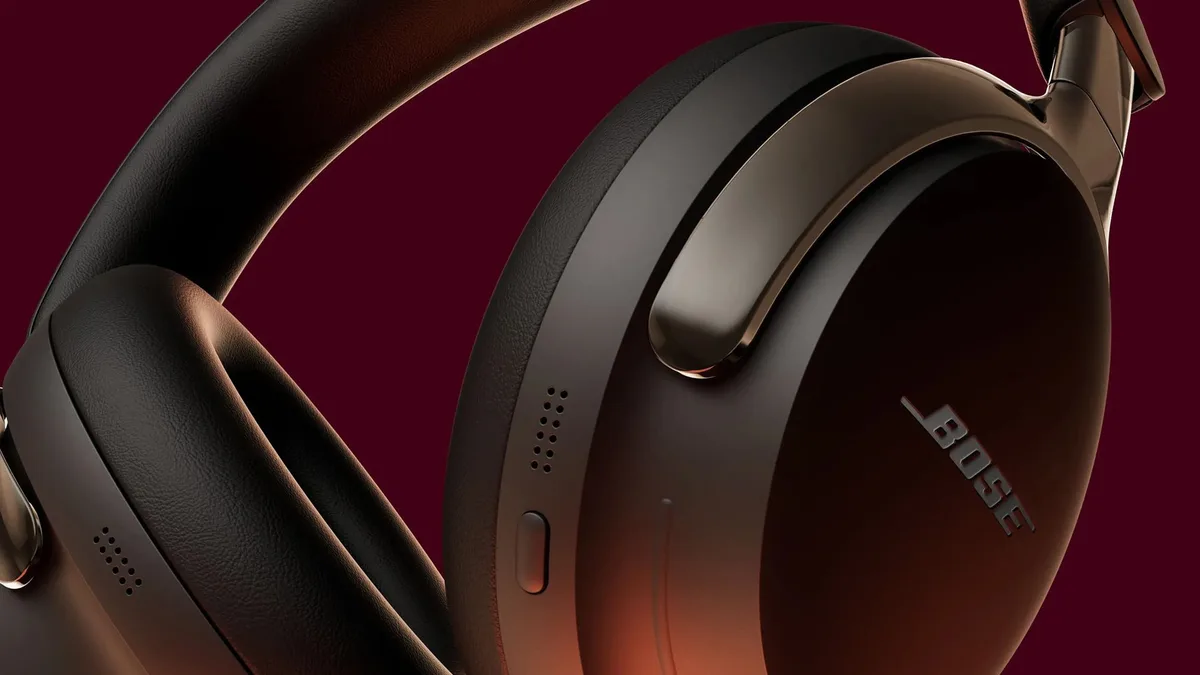
- Comfort during 6-8 hour sessions is your top priority — the cushions and clamping force are unmatched in the category
- You want USB-C wired lossless audio for desktop listening — the Sony does not offer USB-C audio at all
- You prefer headphones that sound excellent out of the box without needing an app
- You switch between Apple and Android devices and need platform-agnostic performance
- You wear glasses and want the headphone most likely to accommodate temple arms without pressure
Common Questions About This Matchup
Is the Sony WH-1000XM6 better than the Bose QuietComfort Ultra?
Neither wins across the board. The XM6 leads on LDAC codec support, app customization depth, call quality (12 mics vs 6), and folding design. The Bose QC Ultra 2nd gen leads on comfort, USB-C wired lossless audio, and out-of-box ANC simplicity. ANC performance is near-tied in independent measurements. Choose Sony for codec flexibility and call quality; choose Bose for all-day comfort and wired lossless.
Which has better noise cancellation — Sony XM6 or Bose QC Ultra?
They are within 1-2 dB of each other across most frequency ranges per RTINGS measurements. The XM6 has a slight edge in mid-frequency cancellation (office chatter, keyboard noise). The Bose QC Ultra maintains a slight edge in some high-frequency measurements. Low-frequency cancellation (airplane engines, HVAC) is effectively tied. The real difference is in the experience: Bose works perfectly at default settings; Sony rewards app customization.
Does the Bose QC Ultra have LDAC?
No. The Bose QC Ultra supports AAC and SBC only — no LDAC, aptX, or aptX Adaptive. For wireless Bluetooth audio, AAC is the highest quality codec available on Bose. The QC Ultra 2nd gen compensates by offering USB-C wired audio at 16-bit/48kHz lossless, which the Sony XM6 lacks entirely.
Which is more comfortable — Sony XM6 or Bose QC Ultra?
Bose. Multiple reviews confirm the QC Ultra plush ear cushions and lighter 260g weight make it the more comfortable headphone for 6-8 hour sessions. The Sony XM6 at 254g is lighter on paper but the ear cup shape and headband padding favor the Bose design for extended wear. Glasses wearers particularly note the Bose accommodates temple arms better.
Sony WH-1000XM6 vs Bose QC Ultra — which should I buy?
Buy the XM6 if you use an Android phone and want LDAC, take frequent calls in noisy environments, or value deep app customization. Buy the Bose QC Ultra if comfort during long sessions is your priority, you want USB-C wired lossless audio for desktop use, or you prefer a headphone that works perfectly without opening an app.
Track Both Products
We'll email you if either price drops or availability changes.
Only when something changes. Unsubscribe anytime.