Headphones for Commuting: What Actually Works on Transit

The average American commuter spends 55 minutes per day in transit. That is nearly 240 hours a year spent on buses, subways, sidewalks, and train platforms where ambient noise ranges from 70 dB on a quiet bus to 100+ dB on a screeching subway platform. Commuter headphones face a different stress test than home or office listening — they need to cancel engine drone, survive daily bag stuffing, handle hands-free calls in wind, and last a full work week between charges. Not every premium headphone meets those requirements, and not every commuter needs to spend at the premium tier.
We analyzed measurement data from RTINGS and independent ANC testing labs, cross-referenced 30,000+ owner reviews filtered for commute-specific mentions (subway, bus, train, walking), and mapped the specs that predict real-world transit performance. The picks below span three price tiers and two form factors. Each was selected for a specific commute type — because a 15-minute walk to the office demands different features than a 90-minute subway-to-bus transfer.
Commuter Headphone Selection Criteria
Why Your Commute Puts Headphones Through a Harder Test
Commuter headphones operate in a category of environmental stress that home and office listening never encounters. Transit noise is loud, variable, and unpredictable — a combination that exposes weaknesses in ANC processing, microphone arrays, and battery management that would stay hidden in a quiet room.
Subway cars generate sustained low-frequency noise between 80 and 95 dB while in motion. That is roughly the volume of a running lawnmower, maintained for the duration of every tunnel section. Buses add diesel engine vibration at 70-85 dB with irregular spikes from air brakes and hydraulic door mechanisms. Train platforms introduce wind turbulence from arriving trains at volumes that briefly exceed 100 dB. Walking commutes add weather exposure — rain, wind, temperature swings — that affect microphone performance and ear cushion seal.
This matters because most headphone reviews are conducted in controlled environments. A pair that sounds phenomenal in a quiet studio may produce harsh ANC artifacts on a windy sidewalk or lose seal comfort when jostled in a crowded train. The recommendations in this guide weight transit-specific performance data more heavily than lab measurements.

What Separates Good Commuter Headphones From Everything Else
Four specs predict how well a headphone performs on a daily commute. Other features matter — sound quality, codec support, spatial audio — but these four determine whether the headphone survives the transit gauntlet without frustrating you into leaving it at home.
ANC depth in the 50-500 Hz range. This is where engine drone, HVAC rumble, and rail vibration live. Premium hybrid systems reduce this band by 25-40 dB. Budget feedforward-only designs reduce it by 10-20 dB. That 15-20 dB gap is the audible difference between "I can hear my podcast clearly" and "I am turning the volume to max to compensate." RTINGS publishes per-frequency ANC measurements that map directly to transit noise profiles — those measurements informed every pick in this guide.
Microphone wind-noise rejection. Walking commutes expose external ANC microphones to wind, which the processor misinterprets as noise to cancel. Without wind detection, this produces a low rumbling artifact worse than the ambient noise itself. The Sony WH-1000XM6 and Apple AirPods Pro 3 both include wind-noise algorithms that automatically shift mic behavior outdoors. Models without this feature — including several in the mid-range tier — become unusable during breezy walks, which eliminates them from commuter consideration regardless of how well they cancel steady noise.
Battery endurance with ANC active. Manufacturer battery specs are measured with ANC on, but at moderate volume in a quiet room. Real-world transit listening at higher volumes with frequent Bluetooth reconnections drains 10-15% faster. A headphone rated at 30 hours delivers roughly 25-26 hours under commute conditions. That still covers a full work week of hour-long round trips. Below 20 hours of rated ANC battery, you are charging mid-week — fine for some commuters, but a consistent friction point for others.
Quick-charge recovery time. The most relevant battery spec for commuters is not maximum capacity — it is how many hours a 5-minute charge adds. Forgetting to charge overnight is universal. The Sony WH-1000XM6 adds 3 hours from a 3-minute charge. The Bose QuietComfort Ultra adds 2.5 hours from 5 minutes. These emergency top-ups between alarm and departure rescue a dead headphone before the morning ride.
Top Picks for Daily Commuters
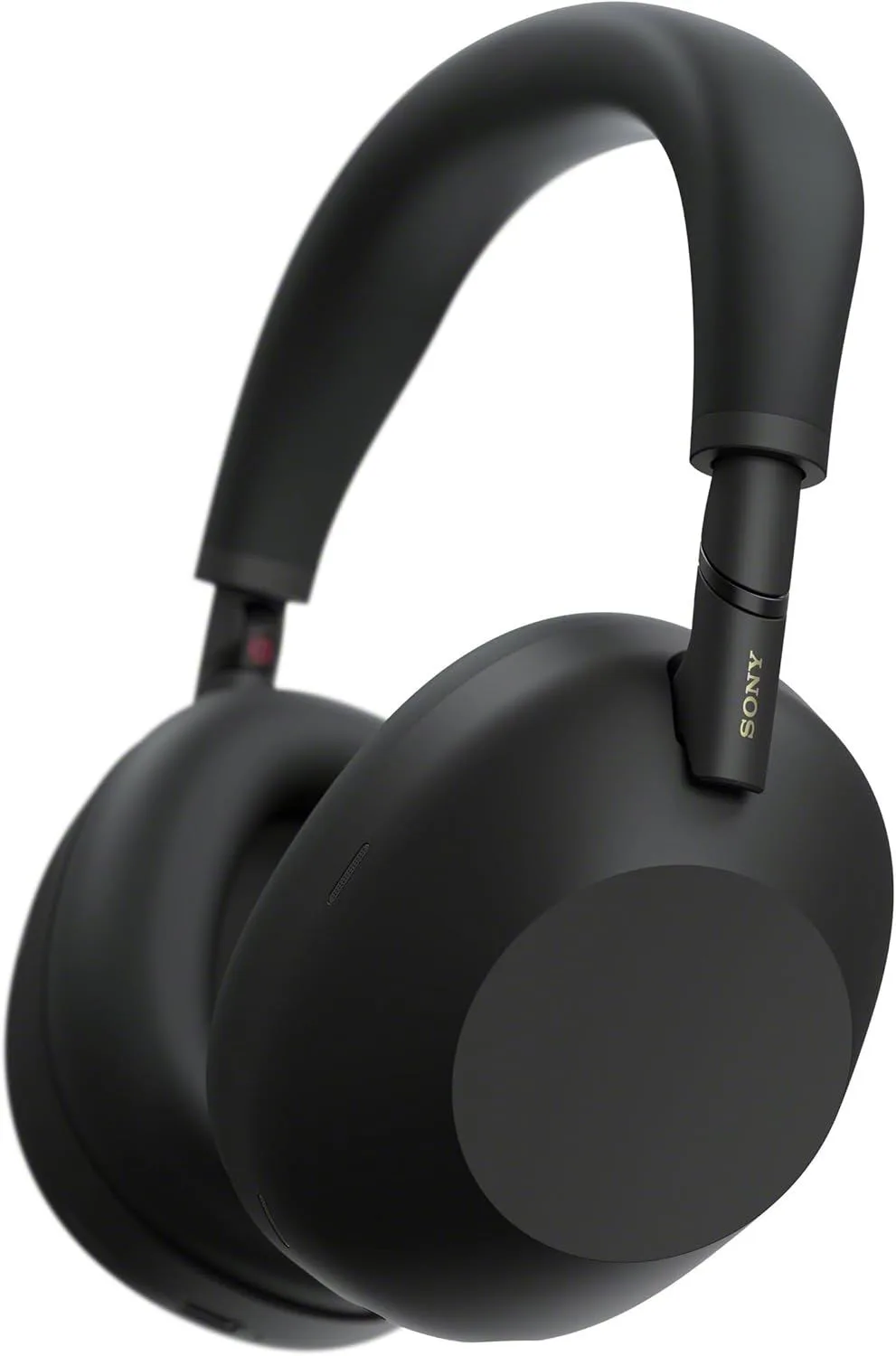
- Sony WH-1000XM6 — Best overall for transit ANC and call quality
- Bose QuietComfort Ultra — Most comfortable for long commutes
- Apple AirPods Pro 3 — Best portable option for mixed commutes
- Sennheiser Momentum 4 — Longest battery for charge-and-forget weeks
- Anker Soundcore Space One — Best value under one hundred dollars
Sony WH-1000XM6 — The Transit Noise Killer
Sony's flagship runs a 12-microphone hybrid system with a dedicated V2 Integrated Processor that recalculates cancellation 700 times per second. On subway cars, the difference between this and the previous generation is audible within seconds — the low-frequency floor drops further, and the transition between tunnel and station is smoother. RTINGS measurements show 35-40 dB of noise reduction in the critical 50-300 Hz transit band, the deepest of any consumer headphone tested. For commuters on loud rail lines, this is the ceiling.
Call quality is the secondary strength. The 12-mic array doubles as a beamforming microphone system with AI voice isolation that strips background transit noise from your voice during calls. Multiple reviewers confirm it handles bus-noise phone calls better than any competing model. Battery hits 30 hours with ANC — five days of 90-minute round trips plus casual listening. The 3-minute quick charge is the best emergency recovery in the category. Read our full XM6 analysis for the detailed ANC breakdown.
Bose QuietComfort Ultra — Built for Long Rides
Bose optimizes for comfort in a way that specifically benefits commuters who wear headphones for 45+ minutes per direction. The ear cushions use softer protein leather with deeper cavities than the Sony, which reduces pressure on larger ears during extended wear. On a packed morning bus, that comfort margin means you actually keep the headphones on instead of pulling them off at the halfway mark.
ANC depth measures within 5% of the Sony WH-1000XM6 in the low-frequency band, which means subway performance is close to identical. Where Bose QuietComfort Ultra falls behind is microphone call quality — the smaller mic array struggles more with wind and competing voices during phone calls from transit platforms. If your commute rarely involves calls, this comfort difference may matter more than the mic gap. Our Sony vs Bose transit breakdown lays out where each model wins and loses.
Apple AirPods Pro 3 — Pocket-Sized Transit ANC
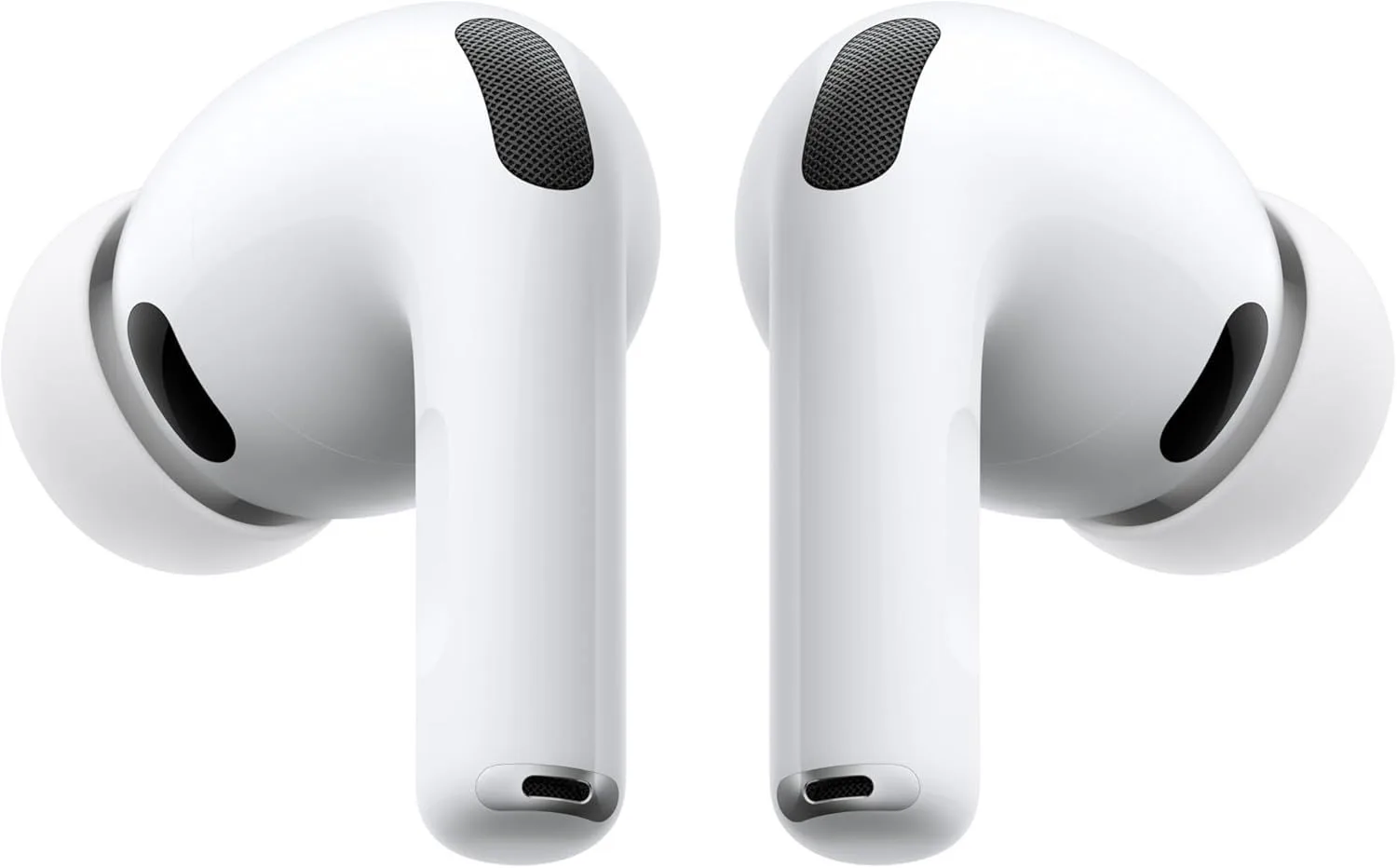
For commuters who walk, transfer between transit modes, and want something that fits in a jacket pocket, earbuds solve a portability problem that over-ear models cannot. The Apple AirPods Pro 3 runs Apple's H2 chip with 48,000 ANC adjustments per second — approaching mid-tier over-ear cancellation depth in an earbud that weighs 5.3 grams per side. The charging case adds 25 hours of total capacity, so you refill during the workday by dropping them back in the case at your desk.
The concession is physics. No earbud matches the passive isolation of a full over-ear cup, so the Apple AirPods Pro 3 starts with less noise blocked before ANC activates. On the loudest subway lines, you hear more ambient bleed-through than with the Sony WH-1000XM6 or Bose QuietComfort Ultra. For moderate bus noise and walking commutes, the difference is small enough that the portability advantage wins. iPhone users get automatic device switching and spatial audio; Android users should compare the AirPods Pro 3 vs Galaxy Buds3 Pro before deciding.
Sennheiser Momentum 4 — The Week-Long Battery
Sennheiser's 60-hour ANC battery is the longest in any premium headphone. For commuters who despise charging routines, this is the differentiator. Charge it once, use it for two full weeks of daily commuting (60-minute round trips), and still have capacity left. Real-world transit drain brings that closer to 50 hours, which is still more than double the Sony and Bose.
ANC depth sits below the top two flagships — measured at roughly 20-30 dB of reduction in the low-frequency transit band. That is enough to turn a loud bus from overwhelming to tolerable, but the Sony WH-1000XM6 delivers a noticeably deeper quiet on the noisiest subway lines. Sound quality, on the other hand, is the best on this list. Sennheiser's driver tuning compensates for ANC-induced coloration, producing clearer audio fidelity than Sony or Bose at matched volume levels. If your commute involves mostly moderate noise and long listening sessions, the Sennheiser Momentum 4 earns its spot. See the Momentum 4 vs XM5 deep dive for a direct comparison on the specs that matter most for daily riders.
Anker Soundcore Space One — Full Features Under One Hundred
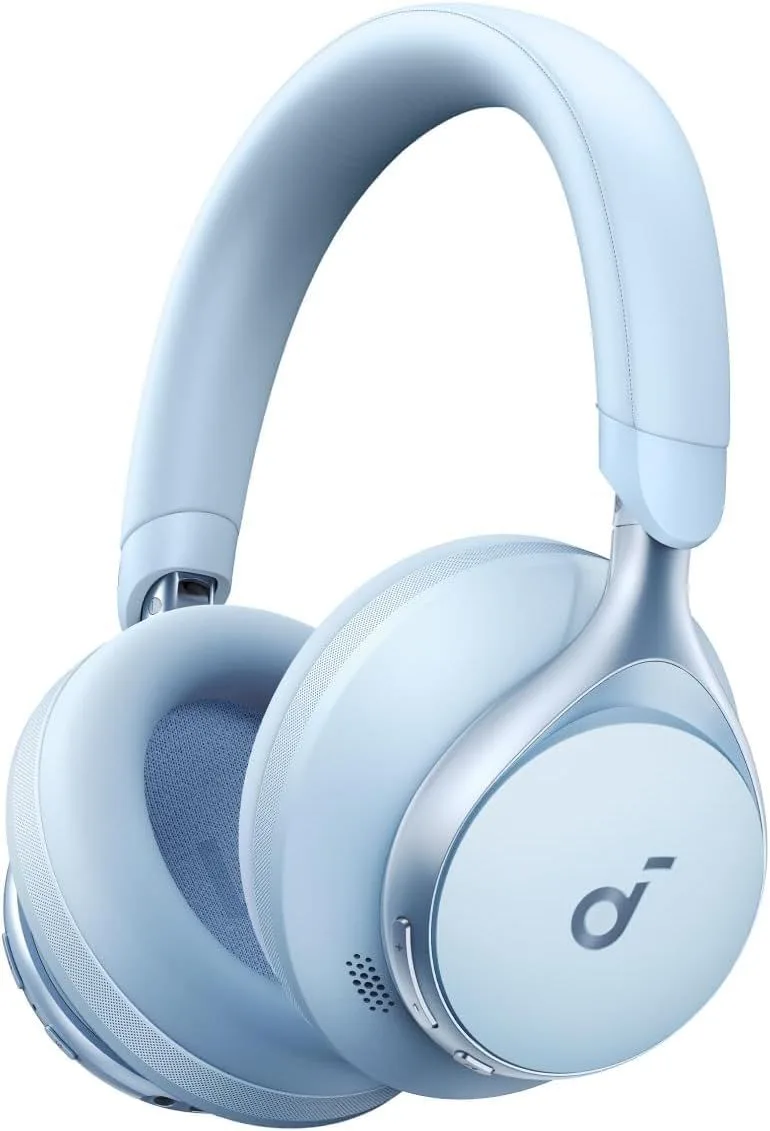
At its price, the Anker Soundcore Space One delivers hybrid ANC, LDAC codec support, and 40-hour battery — specs that were flagship-exclusive two years ago. RTINGS measurements confirm it cancels 70-80% as much low-frequency noise as the Sony WH-1000XM6, which is enough to make podcasts audible over bus engines and reduce subway drone to a background murmur. It does not match the flagships on call quality or wind-noise handling, and the plastic build feels less substantial during daily use. For commuters who want functional transit ANC without the premium investment, this is the entry point.
Our #1 commuter pick delivers the deepest transit ANC and the best call quality for daily riders.
Read Our Top Pick Review
Commute-Specific Tips That Change the Experience
Match ANC mode to transit type. Most premium headphones offer adjustable ANC levels. Full cancellation works on subway cars where you want maximum isolation. On walking segments, switch to transparency mode so you hear traffic, crosswalk signals, and approaching cyclists. The Sony WH-1000XM6 and Apple AirPods Pro 3 both offer automatic switching based on detected motion — the headphone reduces ANC when it senses you walking and increases it when you stop moving.
Use foam ear tips on earbuds for transit. Silicone tips that ship with most earbuds provide adequate seal in still environments but loosen slightly with jaw movement and vibration during transit. Foam tips (Comply, SpinFit) compress into the ear canal and expand to form a tighter seal, adding 3-5 dB of passive isolation that ANC builds on. On a noisy subway, that extra passive block translates to lower listening volumes and better cancellation depth from the same hardware.
Carry a case even for over-ear models. Daily bag stuffing is the number-one mechanical cause of headphone damage among commuters. Folding hinges fatigue, headband padding compresses unevenly, and ear cushion edges wear against zippers and keys. A hard-shell carrying case adds 30 seconds to your departure routine but extends the physical life of the headphone by a year or more. The Sony WH-1000XM6 and Bose QuietComfort Ultra ship with molded cases; the Sennheiser Momentum 4 includes a slimmer soft pouch that still prevents contact damage.
Additional Commuter Considerations
Test multipoint Bluetooth before committing. Multipoint lets you connect to your phone and your work laptop simultaneously. For commuters who listen to music on their phone during transit and switch to laptop audio at the office without re-pairing, this eliminates a small daily annoyance. The Sony WH-1000XM6, Bose QuietComfort Ultra, and Sennheiser Momentum 4 all support multipoint. The Apple AirPods Pro 3 handles device switching through iCloud automatic switching rather than true multipoint — effective within Apple's ecosystem, limited outside it.
Prioritize quick-charge if you forget to charge. The real-world battery question is not "how long does it last at full charge" but "how fast can I recover from forgetting to plug in." For commuters with unpredictable schedules, quick-charge speed matters more than maximum capacity. Three minutes on the Sony WH-1000XM6 adds enough playback for a round trip. Five minutes on the Bose QuietComfort Ultra does the same. The Sennheiser Momentum 4 needs that emergency charge less often — but when its battery finally dies, it charges slower than the Sony or Bose from empty.
Consider sweat and rain exposure. Walking commuters encounter weather that seated transit riders avoid. No full-size over-ear headphone in this guide carries an official IP rating for water resistance. Light drizzle is tolerable; sustained rain is not. The Apple AirPods Pro 3 carries IP54 dust and water resistance, making it the safer choice for commuters who walk through unpredictable weather. If your commute includes a 10-minute outdoor walk in a city with frequent rain, earbuds protect your investment better than over-ear models.
Our Top Pick for Commuting

The Sony WH-1000XM6 is the headphone we recommend for most commuters. Its 12-mic hybrid ANC system cancels more low-frequency transit noise than anything else on the market. Call quality from bus seats and train platforms is the best in the category. Battery covers a full work week. And the 3-minute quick charge rescues mornings when you forget to plug in.
For commuters who prioritize comfort on rides over 45 minutes, the Bose QuietComfort Ultra trades a fraction of mic performance for softer ear cushions and a lighter clamp force. For commuters who walk, transfer between modes, and want something that disappears into a pocket, the Apple AirPods Pro 3 solves the portability problem at the cost of some ANC depth. And for commuters on a tighter budget, the Anker Soundcore Space One delivers 70-80% of flagship transit performance at roughly a quarter of the price — a strong starting point that covers moderate noise levels on most bus routes.
Your commute type determines the right pick. Match the headphone to the noise, not to the spec sheet. A 90-minute subway ride through a loud tunnel system demands flagship ANC. A 20-minute bus ride through a quiet suburban route does not. Start with the environment, and the right tier becomes clear. Our full ANC headphone rankings cover the broader category if you want to explore beyond these commuter-focused picks.
Commuter Headphone Questions
Are over-ear headphones or earbuds better for subway commuting?
Over-ear headphones cancel more low-frequency transit noise because the ear cups add 15-25 dB of passive isolation on top of ANC processing. The Sony WH-1000XM6 blocks subway rumble more completely than any earbud currently available. Earbuds like the Apple AirPods Pro 3 weigh under 6 grams per side and fit in a coat pocket, which matters during crowded rush-hour boarding. For subway rides under 30 minutes, earbuds are more practical. For rides over 45 minutes on noisy lines, over-ear models deliver noticeably deeper quiet that lets you listen at lower volumes.
Do noise-cancelling headphones block bus and subway engine noise?
Yes — bus and subway engine drone sits in the 50-300 Hz range, which is the exact frequency band where ANC performs best. Premium models from Sony and Bose reduce this low-frequency noise by 25-40 dB, turning a loud transit car into a muffled hum. The Sony WH-1000XM6 with its 12-mic hybrid system achieves the deepest measured cancellation in this band. Mid-range options like the Anker Soundcore Space One cancel 70-80% as much, which is still enough to make podcast dialogue clearly audible over engine noise. No headphone eliminates sudden sounds like braking screeches or PA announcements — those are high-frequency transients that ANC algorithms cannot predict fast enough.
How important is battery life for commuter headphones?
A minimum of 20 hours handles most weekly commuters without mid-week charging. The Sennheiser Momentum 4 leads at 60 hours — charge it once on Sunday and use it every weekday commute plus weekend listening with power to spare. The Sony WH-1000XM6 and Bose QuietComfort Ultra both deliver around 30 hours, covering a full week of 90-minute daily round trips. The Apple AirPods Pro 3 gets 8 hours per charge with 33 hours total including the charging case, which acts as a portable power bank you refill during the workday. Quick-charge matters for commuters who forget to plug in overnight — 3 minutes on the Sony WH-1000XM6 adds 3 hours of playback.
Can I take phone calls on the bus or train with ANC headphones?
You can, but microphone quality varies dramatically by model and noise level. The Sony WH-1000XM6 uses 12 beamforming microphones plus AI voice isolation to separate your voice from background transit noise — it delivers the clearest hands-free audio in the category. The Sony WH-1000XM5 runs the same AI voice processing with fewer mics at a lower price, and multiple reviewers confirm it handles moderately noisy bus environments well. The Apple AirPods Pro 3 performs best in light ambient noise but struggles with the sustained roar of subway cars. If you regularly join work calls from loud transit, prioritize microphone array size and wind-noise rejection over sound quality.
What headphones work best for walking commutes in cold weather?
Earbuds handle winter commutes better than over-ear models because they fit under beanies and hoods without breaking the seal. The Apple AirPods Pro 3 with silicone tips maintains ANC performance under a hat. Over-ear headphones can work if the ear cups fit over your ears without the band compressing a thick hat — the Bose QuietComfort Ultra has the deepest ear cup cavity on this list, which accommodates thinner beanies without comfort loss. For wind noise, which spikes during outdoor walking, the Sony WH-1000XM6 and Apple AirPods Pro 3 both include wind-detection algorithms that adjust microphone behavior automatically. Budget options without wind detection produce harsh rumbling artifacts that make ANC unusable on gusty sidewalks.
Our Top Recommendation
Based on our research, the Sony WH-1000XM6 is our top pick — android users who want the absolute best anc and detailed sound without apple ecosystem dependency.
Get Our Top 3 Picks
Get our top 3 picks for your budget — one email, then only updates.
Only when something changes. Unsubscribe anytime.