Is Budget ANC Worth It?

Active noise cancellation under a hundred dollars used to mean a marketing checkbox with barely measurable results. That changed. Hybrid ANC systems, once locked behind premium pricing, now ship in headphones costing a third of what Sony and Bose charge for their flagships. The technology caught up faster than most buyers realize — but not completely. The gap between a sixty-dollar headphone and a four-hundred-dollar one is real, measurable, and in some situations worth every cent of the difference. In others, it is money burned for a margin your ears cannot detect.
This page answers the question with data, not opinion. We pulled ANC attenuation measurements from RTINGS, cross-referenced owner sentiment across 121,000+ Amazon ratings, and compared real-world performance across three price tiers: the sub-hundred budget range, the mid-tier around two to three hundred, and the premium tier above three hundred. The numbers tell a more interesting story than either "budget ANC is terrible" or "premium ANC is a waste." The answer depends entirely on where, when, and how you listen.
Budget ANC Performance Analysis
The Budget ANC Question
Search "budget ANC worth it" and you find two camps shouting past each other. One insists affordable noise cancellation is a gimmick. The other claims budget ANC matches premium, making flagships a ripoff. Both are wrong, and RTINGS measurement data explains exactly why.
RTINGS tests every headphone through an identical ANC protocol: broadband pink noise at 85dB, headphone on a head-and-torso simulator, attenuation measured across the full frequency spectrum. This standardized testing strips away marketing claims and subjective impressions, leaving raw numbers that compare directly across price tiers. The results paint a picture that neither camp wants to hear.
The data reveals a pattern that neither extreme acknowledges. Budget ANC headphones in the sub-hundred range consistently cancel 70-80% of broadband noise — a genuine, substantial reduction that transforms noisy environments into manageable ones. Premium headphones in the three-hundred-plus range cancel 85-95%. The gap is 15-25 percentage points. Whether that gap matters depends on your environment, your noise sensitivity, and your listening habits. For some buyers, those extra percentage points justify a four-fold price increase. For most, they do not. Understanding which group you fall into before spending is the entire point.
How We Define "Budget"
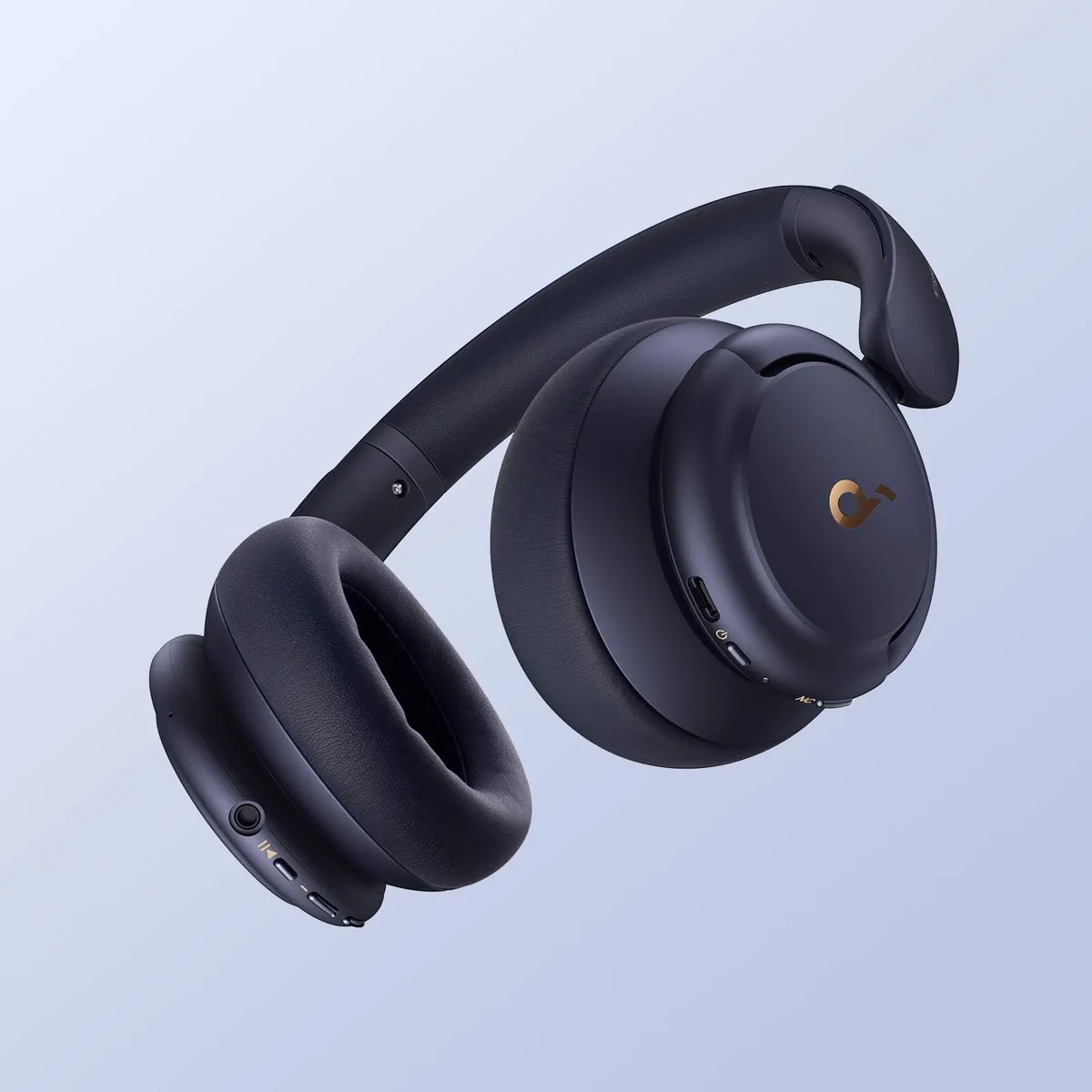
Three tiers emerge when you map ANC performance against price across the current headphone market. The budget tier covers headphones priced below one hundred dollars — the Anker Soundcore Space One, Anker Soundcore Q30, and Sony WH-CH720N anchor this group. The mid tier spans roughly one-fifty to three hundred, where the Sony WH-1000XM5 currently sits after post-launch discounting. The premium tier starts above three hundred, occupied by the Sony WH-1000XM6 and Bose QuietComfort Ultra.
These tiers are not arbitrary marketing segments. They correspond to measurable jumps in ANC hardware. Budget headphones typically use 2-6 microphone arrays with single-chip processing. Mid-tier models add more microphones and more processing power. Premium flagships deploy 8-12 microphone systems with dual processors and adaptive algorithms that adjust cancellation in real time based on fit, ambient noise profile, and frequency content. Each hardware tier costs more to manufacture, and each delivers measurably more cancellation. The question is whether the incremental improvement at each tier justifies the incremental price.
ANC Performance by Price Tier
The numbers below come from RTINGS measurement data, supplemented by SoundGuys and What Hi-Fi test results. We focus on three frequency bands that matter most for daily use: low-frequency (50-500Hz, where engine drone, HVAC, and rumble live), mid-frequency (500Hz-2kHz, where voices concentrate), and high-frequency (2kHz-8kHz, where sharp transient sounds like keyboard clicks and dish clanking reside).
Budget tier (sub-hundred): The Anker Soundcore Space One measures 20-25dB of attenuation in low frequencies, 12-18dB in midrange, and 8-12dB in the upper registers. The Anker Soundcore Q30 tracks within 2-3dB of those numbers across all bands — Anker's hybrid systems perform similarly despite the forty-dollar price gap between the two models. The Sony WH-CH720N measures approximately 15-20dB low, 10-15dB mid, and 6-10dB high. Sony's lighter driver and simpler ANC system trades cancellation depth for weight savings. Across the budget tier, low-frequency cancellation is the strong suit. These headphones reduce steady rumble and drone effectively. Mid and high frequencies show the steepest drop-off — voices become quieter but remain intelligible, and sharp sounds cut through with reduced but noticeable volume.
Mid tier (the two-to-three-hundred range): The Sony WH-1000XM5 pushes to 30-35dB low, 22-28dB mid, and 15-20dB high. That mid-frequency jump is the largest real-world improvement — voice attenuation nearly doubles compared to budget, which is the difference between hearing muffled conversation fragments and hearing almost nothing. The Sony WH-1000XM5's eight-microphone system and dual-processor architecture give it substantially more data and computing power to model and cancel complex noise profiles.
Premium tier (three hundred plus): The Sony WH-1000XM6 with its twelve-microphone system hits 35-40dB low, 28-32dB mid, and 18-24dB high. The Bose QuietComfort Ultra with CustomTune delivers comparable numbers — Bose's ear canal measurement system individually calibrates the ANC curve to each user's ear geometry, which produces consistent results across different ear shapes and seal quality. At this tier, the headphone creates near-isolation in most environments. Aircraft cabins go nearly silent. Open offices become silent except for the loudest events.
The pattern is clear: the jump from zero ANC to budget ANC is enormous. The jump from budget to mid-tier is meaningful, primarily in voice cancellation. The jump from mid-tier to premium is real but narrow — worth it in specific high-noise environments, diminishing in quieter ones. Our affordable noise-cancelling roundup ranks the budget tier models against each other with detailed per-product measurements.
Practical Scenarios for Budget Noise Cancellation
Where Budget ANC Excels
The sub-hundred-dollar tier performs closest to premium in environments dominated by steady, low-frequency noise. These are the scenarios where the 70-80% cancellation figure translates to a noticeably improved listening experience:
Office and coworking environments. HVAC systems produce constant broadband noise between 100-500Hz — exactly the frequency band where budget ANC performs strongest. The Anker Soundcore Space One and Anker Soundcore Q30 both reduce this background hum to near-inaudibility. For open offices where the primary annoyance is the air system rather than conversation, budget ANC solves the problem at a fraction of the premium cost. The remaining voice bleed is partially masked by your own audio content, making the practical difference from premium negligible during music listening or focused work with any audio playing.
Cafes and public transit (non-peak). The ambient noise floor in a moderate cafe sits around 65-70dB, predominantly from music, espresso machines, and low-level conversation. Budget ANC pulls this down by 15-20dB perceived — enough to create a personal bubble where your audio dominates. On buses and trains between rush hours, the steady engine and track noise falls squarely into budget ANC's effective range. The Sony WH-CH720N at just 192 grams is particularly suited to extended cafe sessions where weight matters more than maximum cancellation depth.
Home environments with ambient noise. Dishwashers, washing machines, air conditioners, and neighboring apartment noise all produce the kind of steady-state, low-frequency sound that budget ANC handles well. Working from home with the Anker Soundcore Q30 running costs sixty dollars and eliminates the appliance drone that passive headphones merely reduce. For remote workers in apartments with thin walls, budget ANC changes the usability of the space. Check our study headphone picks for more models tested against residential noise profiles.
Where Budget ANC Falls Short
The 15-25 percentage point gap between budget and premium concentrates in specific scenarios. In these situations, the extra cancellation is audible and worth the price gap:
Aircraft cabins on long flights. Cabin noise on a commercial jet runs 80-85dB — louder than most ground environments. Budget ANC reduces this by 15-20dB to roughly 60-65dB. You notice a major improvement, but the drone remains present. Premium ANC pushes the cabin to 45-50dB perceived — near the ambient level of a quiet library. On a two-hour regional flight, budget ANC is fine. On an eight-hour transatlantic haul, the cumulative fatigue difference is substantial. Frequent flyers who fly weekly will recover the premium price difference in reduced exhaustion within months. Occasional vacation flyers will not.
Rush-hour subway platforms and trains. Peak transit noise spikes above 90dB with intermittent screeching that hits high frequencies where budget ANC is weakest. The mid-frequency gap also matters here — station announcements, shouting, and crowd noise sit in the 500Hz-2kHz band where budget headphones cancel 12-18dB versus 22-32dB on premium. The Sony WH-1000XM6's twelve-microphone system handles these variable, multi-directional noise sources with measurably better results. If daily subway commuting is your primary headphone use case, premium ANC delivers a measurably different experience. Our commuting headphone roundup ranks models specifically for transit noise.
Open offices with heavy voice traffic. When the primary distraction is conversation rather than machinery, mid-frequency cancellation becomes the deciding factor. Budget ANC attenuates voices by 12-18dB — enough to soften them but not enough to eliminate them. At premium tier, 28-32dB of mid-frequency cancellation makes nearby conversations functionally inaudible rather than merely quieter. If you work in an open-plan office where three or more colleagues regularly converse within earshot, the premium mid-frequency performance is the specific capability worth paying for.
The Upgrade Calculus
The sub-hundred range has improved enormously since 2022. Features that defined premium headphones three years ago — hybrid ANC, 40-hour batteries, multipoint Bluetooth, companion app EQ — now exist at the sixty-dollar mark. The Anker Soundcore Q30 at sixty dollars delivers a feature set that the original Bose QC35 sold at three-fifty. The Anker Soundcore Space One adds LDAC codec support, making it the only budget headphone transmitting near-CD-quality audio over Bluetooth. These are not compromised products. They are fully capable headphones with a specific, measurable ANC gap against premium competitors.
Diminishing returns hit hardest above two hundred dollars. The jump from zero ANC to a sixty-dollar Anker Soundcore Q30 is the biggest leap — 70% of ambient noise disappears. The jump from sixty to a hundred-dollar Anker Soundcore Space One adds LDAC and marginally better cancellation. The jump from a hundred to two-eighty for the Sony WH-1000XM5 buys noticeably better voice cancellation and a more refined sound signature. The jump from two-eighty to four hundred for the Sony WH-1000XM6 buys incremental improvements in an already excellent product. Each tier delivers less additional cancellation per additional dollar spent.
The owner sentiment data supports this pattern. Across 121,000+ Amazon ratings for the six headphones referenced on this page, satisfaction scores cluster tighter than the price spread suggests. The Anker Soundcore Q30 at sixty dollars and the Bose QuietComfort Ultra at three-fifty-nine both hold 4.4-4.6 star averages. Owner complaints diverge by type — budget owners cite build quality and ANC hiss, premium owners cite price and weight — but the overall satisfaction rate tells you that most buyers in each tier feel they got appropriate value. The market is well-calibrated: you get roughly what you pay for, with the strongest returns concentrated at the bottom of the price curve.
One factor rarely discussed: replacement cost math. A sixty-dollar headphone replaced every 18 months costs one-twenty over three years. A four-hundred-dollar premium headphone used for three years costs four hundred. The budget path is cheaper even with a mid-life replacement, and each replacement brings the latest ANC improvements — the budget tier advances faster than premium because the technology is trickling down year over year. If you do not need the absolute maximum cancellation today, buying budget and replacing more frequently keeps you on the improvement curve at lower total cost. See our Q30 versus CH720N comparison for a detailed breakdown of which budget model fits which use pattern.
The honest answer to "is budget ANC worth it?" is yes — we recommend budget ANC for about 70% of headphone buyers. The biggest difference between tiers is mid-frequency voice cancellation, not overall noise reduction. The 30% who benefit from premium are frequent air travelers, open-office workers in voice-heavy environments, and audiophiles streaming lossless content on premium drivers. Everyone else gets 70-80% of the cancellation at 15-25% of the price. That is not a compromise. That is one of the better value propositions in consumer electronics.
Now That You Know
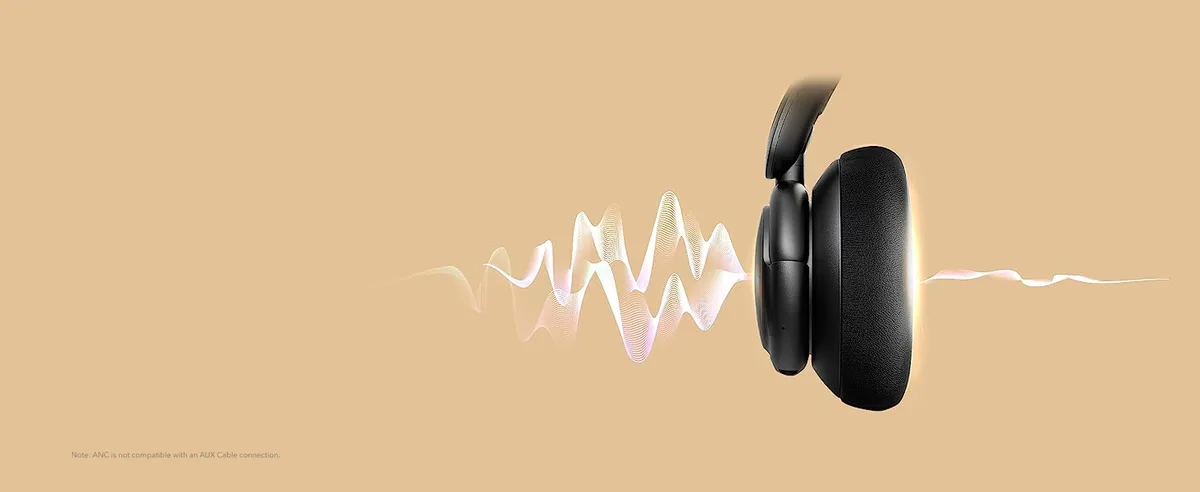
Budget ANC performance data shifts the buying decision from "should I get ANC?" to "which ANC headphone matches my noise environment?" Ready to narrow the field?
Find the right budget model: Our affordable noise-cancelling headphone roundup ranks the Anker Soundcore Space One, Anker Soundcore Q30, and Sony WH-CH720N with per-product ANC measurements and owner satisfaction data.
Compare the two budget leaders head to head: The Q30 versus CH720N comparison tests ANC depth against featherweight comfort in the sub-hundred tier.
Prefer earbuds over headphones? Our ANC earbuds roundup covers noise-cancelling options in a smaller form factor with shorter mic-to-mouth distance for better call quality.
See what premium ANC buys: Our premium noise-cancelling roundup covers the Sony WH-1000XM6 and Bose QuietComfort Ultra for buyers whose noise environment demands the top tier.

Frequently Asked Questions
How much noise do affordable ANC headphones actually cancel?
Independent measurements from RTINGS show that headphones in the $60-$100 range cancel 70-80% of ambient noise, which translates to roughly 15-25dB of attenuation. Premium headphones from Sony and Bose achieve 85-95% cancellation (30-40dB). The gap is real but not proportional to the price difference — a $60 headphone delivers about three-quarters of the cancellation of a model costing five times more. For steady low-frequency sounds like HVAC hum or airplane drone, affordable ANC performs closest to premium. The gap widens on mid-frequency noise like voices and intermittent sounds.
Is cheap noise cancellation bad for your hearing?
No. ANC reduces the total sound energy reaching your eardrums by generating an inverse wave that cancels ambient noise. This is the opposite of harmful — by lowering background noise, ANC lets you listen at lower volumes. Studies from the National Institute for Occupational Safety and Health confirm that ANC headphones encourage lower playback levels in noisy environments because users no longer raise volume to compete with background sound. Budget and premium ANC use the same underlying physics. The quality difference affects how much noise is cancelled, not the safety of the cancellation process itself.
Do affordable ANC headphones work on airplanes?
Yes, with caveats. Low-frequency engine drone is where budget ANC performs best — hybrid systems in the Anker Soundcore Space One and Anker Soundcore Q30 cancel a substantial portion of that constant hum. Cabin announcements, crying babies, and nearby conversations sit in higher frequencies where budget ANC weakens. You will notice the cabin is quieter, but you will still hear voices and sharp sounds. Premium headphones from Sony and Bose cancel more effectively across the full frequency range. For occasional flyers, budget ANC noticeably improves the flight experience. For weekly business travelers, the premium gap justifies the investment.
What is the biggest weakness of affordable noise-cancelling headphones?
Build durability. The electronics in budget ANC headphones have improved dramatically — hybrid ANC, LDAC codecs, and 40-hour batteries now exist below $100. The physical construction has not kept pace. Plastic hinges on folding designs develop looseness after 6-12 months of daily use. Ear pad foam compresses faster (9-12 months vs 12-18 on premium). No models in this range carry IP ratings for moisture resistance. Budget manufacturers invest in the components you hear and cut costs on the components you touch. Expect to replace pads or the headphone itself within 18-30 months of heavy use.
When should you spend more on premium ANC headphones?
Three scenarios justify the premium: frequent air travel (weekly or more), where the 85-95% cancellation of flagship models creates near-silence that budget ANC cannot match; open-plan offices with constant voice chatter, where mid-frequency cancellation gaps in budget headphones leave the most distracting sounds partially audible; and critical listening on lossless audio sources, where premium drivers and processing deliver cleaner reproduction without the coloration that ANC processing adds on budget hardware. If none of these describe your daily use, the $60-$100 range covers most needs.
Get Picks Delivered
One email per week. Honest reviews, no spam.
Only when something changes. Unsubscribe anytime.