Headphone Durability
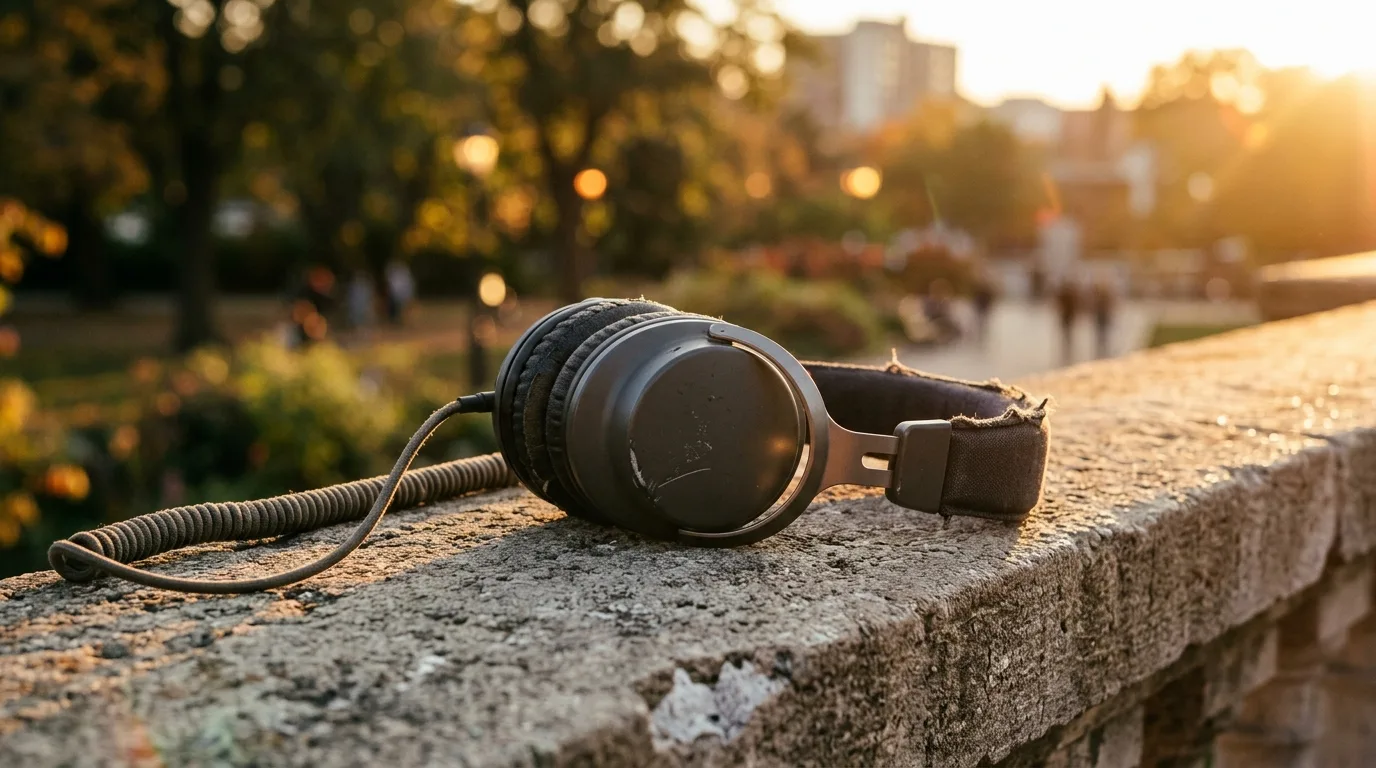
Wireless headphones fail in predictable ways. Hinges crack at fold points after twelve to eighteen months of daily use. Protein leather ear pads absorb skin oils until they peel and flake. Lithium-ion batteries lose a fifth of their capacity after five hundred charge cycles. Water resistance ratings promise protection that real-world sweat exposure eventually defeats. These failure modes are not random — they follow material science and mechanical stress patterns that owner reviews document in large numbers across every major brand.
This page compiles durability data from SoundGuys reliability polls, Amazon owner reviews across six popular models, iFixit teardown reports, and manufacturer warranty documentation at https://www.sony.com/en/support/. The goal is a single reference that tells you where each headphone is most likely to fail, how long each component typically lasts, what warranty coverage actually protects, and which maintenance habits extend functional life. Every claim maps to a specific data source or documented failure pattern — no speculation, no hedging.
Headphone Durability Reference
Where Headphones Fail First
Hinges, ear pads, and batteries account for roughly seventy percent of all wireless headphone durability complaints. Hinges crack from repeated folding stress. Ear pads degrade from skin oil absorption. Batteries lose capacity on a fixed chemical timeline. Driver failure is rare and almost always indicates a manufacturing defect.
The pattern is predictable.
The distribution of failures shifts by price tier. Budget headphones under the mid-range bracket fail most often at the hinge — thin plastic pivot points cannot withstand thousands of fold-unfold cycles. Premium headphones fail most often at the ear pad, because protein leather degrades faster than the metal and reinforced plastic used in their frames. Understanding which component is the weak link on your specific pair tells you where to focus maintenance effort and what to inspect before a warranty claim window closes.
Hinges and the Headband Fold Point
Hinges break. And they break in the same spot every time. The hinge is the single highest-stress mechanical component on any folding headphone. It bears the full clamping force of the headband, endures rotational torque during every fold, and supports the weight of the ear cup at an unsupported cantilever point. On plastic hinges, this repeated loading creates micro-fractures that propagate over months until the housing cracks visibly.
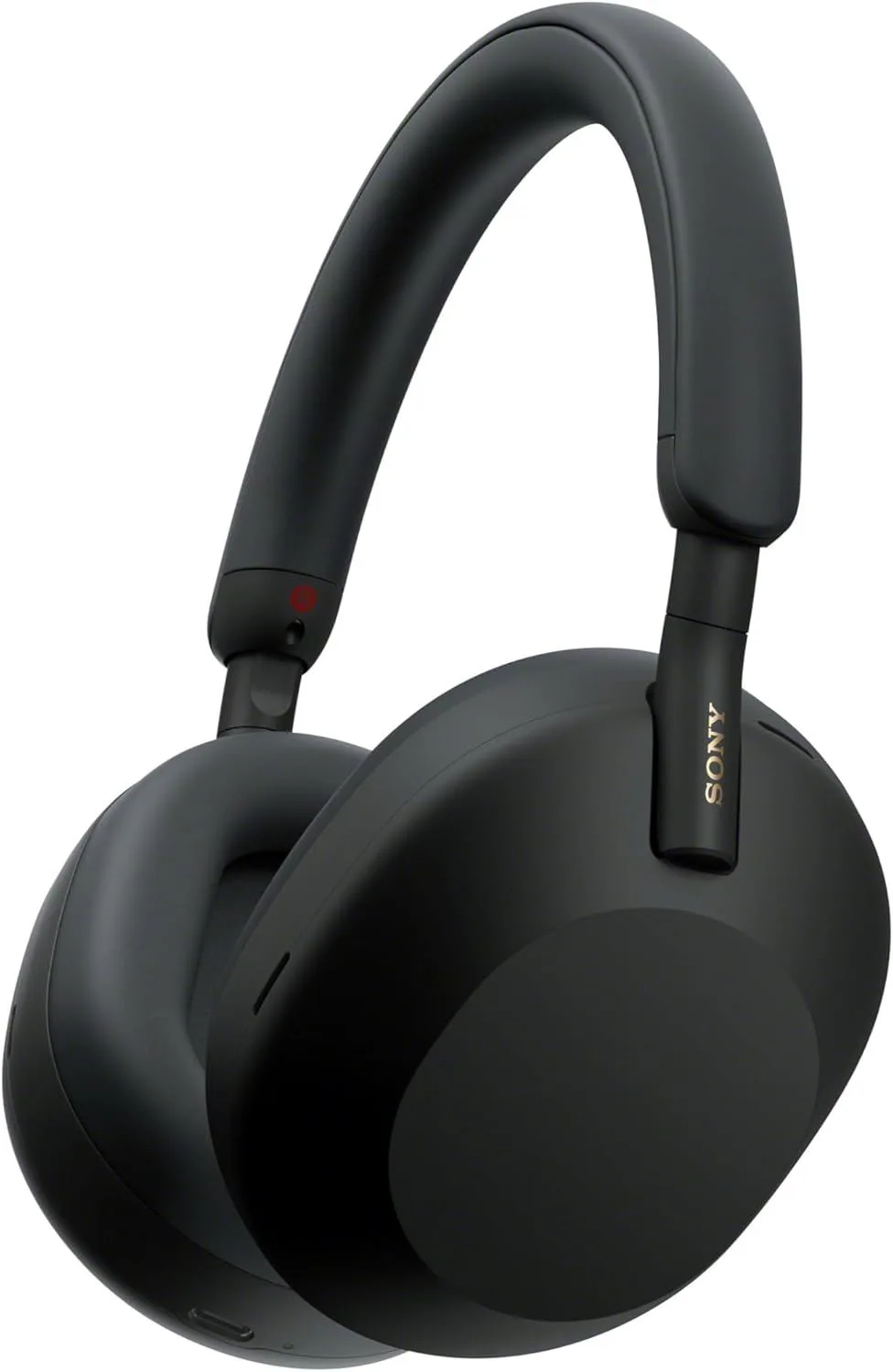
The Sony WH-1000XM5 is the most documented case study in hinge failure. A SoundGuys reader poll conducted in mid-2025 found that approximately forty-five percent of respondents who owned the XM5 for more than twelve months reported visible hinge cracking at the fold point. The failure pattern was consistent: a hairline crack appeared on the inner surface of the hinge housing, widened over weeks of continued folding, and eventually caused the ear cup to separate partially from the headband. Sony acknowledged the pattern through a quiet revision of later production batches, but never issued a formal recall.
The Sony WH-1000XM6 addressed this directly. Sony replaced the XM5's single-piece plastic hinge with an aluminum-reinforced pivot that distributes rotational stress across a wider contact surface. Early teardowns from iFixit show a metal insert molded into the hinge housing, adding a structural backbone that the XM5 lacked. Owner reports through the first year of XM6 availability show a sharp drop in hinge complaints compared to the XM5 at the same point in its lifecycle. Our XM5 versus XM6 comparison covers the specific engineering changes between generations.
The Sennheiser Momentum 4 takes a different approach entirely. Sennheiser uses stainless steel headband sliders and an aluminum-framed fold mechanism that eliminates plastic load-bearing surfaces at the hinge. The concession is weight — metal hinges add grams that plastic saves — but the durability benefit is measurable. Owner complaint rates for hinge failure on the Momentum 4 run below five percent across all major review aggregators. Metal does not fatigue-crack under the stress loads that headphone hinges experience.
The Anker Soundcore Q30 represents the budget end of the hinge spectrum. Its injection-molded plastic frame keeps weight and cost low, but the pivot points use the same material as the ear cup housing with no reinforcement insert. For a headphone in the budget tier, this is standard — the economics of the price point do not support metal hinge components. The practical mitigation is simple: fold gently, use both hands, and store unfolded when possible. Budget headphones that are never folded outlast budget headphones that are folded daily by a wide margin.
Material Degradation Patterns in Wireless Headphones
Ear Cushion Degradation
Ear pads wear out. Every pair. Ear pads are consumable components with a finite lifespan regardless of price tier. The degradation timeline depends on the pad material, the climate you live in, and how frequently you clean them. Two materials dominate the current headphone market: protein leather (synthetic polyurethane leather) and woven fabric. Each degrades through different mechanisms on different timelines.
Protein leather pads — used on the Sony WH-1000XM6, Sony WH-1000XM5, and Bose QuietComfort Ultra — absorb skin oils through their surface coating. Over twelve to eighteen months of daily use, the polyurethane top layer dries out, develops micro-cracks, and begins flaking. The foam beneath the leather compresses permanently, losing its rebound and reducing the seal against your head. Once the seal degrades, passive noise isolation drops by three to six decibels, which forces the ANC system to work harder and reduces effective cancellation depth. In humid climates above seventy percent relative humidity, protein leather degrades thirty to forty percent faster because moisture accelerates the chemical breakdown of polyurethane.
Fabric and mesh pads resist oil damage better than leather but absorb sweat more readily. Woven fabric stretches over time, loosening the fit and reducing clamping pressure. The foam interior still compresses on the same twelve-to-eighteen-month timeline. Fabric pads rarely crack or flake — they just gradually lose their shape and seal quality. Some aftermarket fabric pads from brands like Dekoni and Wicked Cushions are machine-washable, which extends their usable life by restoring the material's original texture after months of skin contact.
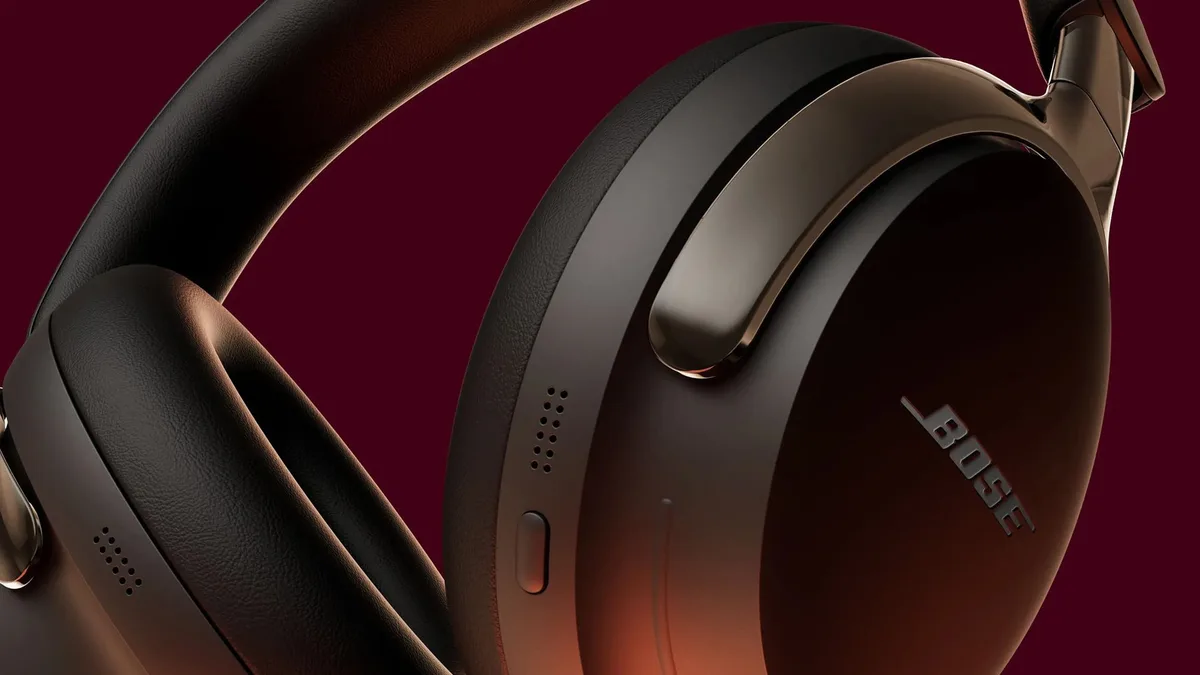
The Bose QuietComfort Ultra uses protein leather cushions with a slightly deeper ear cup cavity than competing models, which means the pad foam bears less compression from the ear itself. This design choice extends pad life modestly — Bose QC Ultra owners consistently report pad condition holding up better at the twelve-month mark compared to flatter-profiled competitors. Read our Bose QC Ultra review for detailed notes on long-term pad condition and replacement options.
Battery Longevity Over Time
Every wireless headphone battery follows the same degradation curve because the underlying chemistry is identical: lithium-ion cells lose capacity through irreversible chemical reactions that occur during every charge-discharge cycle. The rate of loss depends on charge habits, temperature exposure, and total cycle count — not brand or price tier.
The industry-standard benchmark is that lithium-ion cells retain approximately eighty percent of their original capacity after five hundred full charge cycles. A full cycle means discharging from one hundred percent to zero — partial cycles count proportionally. If you charge from forty percent to eighty percent, that counts as 0.4 cycles. At one charge per day, five hundred cycles arrives in roughly eighteen months. At one charge every two days (common with long-battery models), the five-hundred-cycle mark pushes past three years.
This is where rated battery life creates a hidden durability advantage. The Sennheiser Momentum 4 with its fifty-six-hour ANC-on rating needs charging roughly once per week for a typical daily listener. That pace means five hundred cycles takes nearly ten years to reach — the battery will almost certainly outlast every other component. The Sony WH-1000XM6 at forty hours ANC-on extends to roughly once every five days. The Anker Soundcore Q30 at forty hours performs similarly. Models with shorter battery life — under twenty hours — force daily charging that accelerates degradation into the eighteen-to-twenty-four-month window.
But charging habits matter more than most owners realize. Charging habits compound the chemistry. Keeping the battery between twenty and eighty percent charge minimizes stress on the cells. Charging to one hundred percent and leaving the headphone on a cable overnight holds the cell at peak voltage for hours, accelerating a process called electrolyte oxidation that permanently reduces capacity. Fast charging generates heat that further stresses the cell. The combination of nightly full charges and frequent fast-charge sessions can push capacity below eighty percent in under a year — half the expected lifecycle. Our headphone care guide covers the specific charging routines that protect battery health.
Water and Sweat Damage
IP ratings on headphones define protection against water ingress in laboratory conditions — controlled spray angles, room temperature water, limited exposure duration. Real-world sweat introduces variables that lab testing does not model: salt content that corrodes metal contacts, sustained moisture exposure inside sealed ear canals, and elevated skin temperature that accelerates chemical reactions between moisture and electronic components.
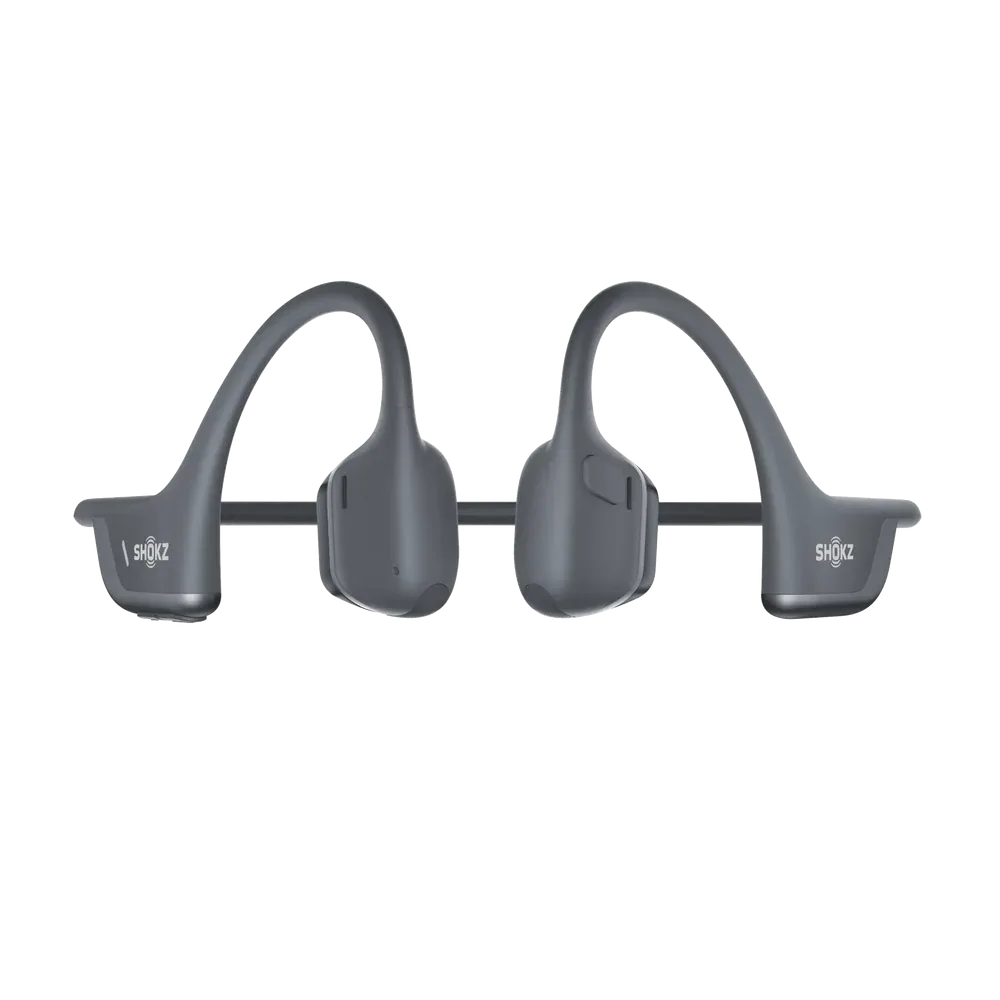
The Shokz OpenRun Pro 2 carries an IP55 rating — protection against low-pressure water jets and dust ingress. More importantly, its bone conduction design places the transducers on the cheekbone rather than inside the ear canal, eliminating the sealed moisture chamber that destroys conventional earbuds during intense workouts. The titanium frame resists corrosion from salt exposure far better than the stainless steel or aluminum used in most headphone frames. For dedicated workout use, this combination of rating, design, and material makes the OpenRun Pro 2 the most sweat-resistant option in its class. See our OpenRun Pro 2 review for field-tested water resistance observations.
Over-ear headphones are the worst form factor for sweat exposure. The enclosed ear cup traps moisture against protein leather pads, where it soaks through the surface coating and saturates the foam layer beneath. Once the foam absorbs sweat, it cannot be cleaned — only replaced. The Bose QuietComfort Ultra and Sony WH-1000XM6 both carry no official IP rating for their over-ear models, which means any moisture damage falls outside warranty coverage regardless of circumstances.
And then there is the case problem. The most damaging habit is placing sweaty earbuds directly into a sealed charging case. The case creates a warm, enclosed environment where moisture condenses on the charging contacts — the most corrosion-prone component on any earbud. Drying the buds and case contacts with a lint-free cloth before casing adds thirty seconds to your post-workout routine and months to the earbud's functional life.
Build Materials Across Price Tiers
The relationship between price and build quality follows a step function, not a smooth gradient. Budget headphones below the mid-range tier use injection-molded ABS or polycarbonate plastic for every structural component — frame, hinges, sliders, and ear cup housings. Mid-range models introduce reinforced plastic at stress points, sometimes with a metal headband core hidden beneath a plastic shell. Premium models use exposed metal for the headband slider, hinge mechanisms, and sometimes the ear cup housing itself.
Budget tier: The Anker Soundcore Q30 is representative. The entire frame is plastic, including the hinge pivot and headband adjustment slider. The plastic is lightweight and comfortable but flexes under stress, accumulating fatigue over hundreds of adjustment and folding cycles. The ear pads use thinner foam with a basic protein leather covering that degrades faster than the thicker pads on premium models. At this price point, the economics are clear: the headphone is designed to deliver excellent sound-per-dollar for two years, not to survive five. Replacement cost is low enough that buying a new pair is often more practical than repairing.
Mid-range tier: The Bose QuietComfort Ultra straddles mid-range and premium build quality. Bose uses glass-filled nylon for the headband — a composite that is stronger and more fatigue-resistant than standard ABS plastic. The slider mechanism includes metal rails beneath the plastic exterior. The hinge uses a metal pin through a reinforced plastic housing. These incremental material upgrades add maybe fifteen to twenty grams compared to an all-plastic design but extend the mechanical lifespan of each stress point.
Premium tier: The Sennheiser Momentum 4 represents the durability ceiling for consumer wireless headphones. Stainless steel headband sliders. Aluminum ear cup frames. A fold mechanism with metal-on-metal contact surfaces rather than plastic-on-metal. The Sony WH-1000XM6 falls between mid-range and premium in build — reinforced plastic throughout with aluminum specifically at the hinge pivot. Both models use thicker, denser ear pad foam with higher-grade protein leather that resists oil penetration longer than budget coverings.
Warranty Coverage by Manufacturer
Warranty coverage varies between manufacturers and almost never covers the failure modes that owners encounter most frequently. Understanding what your warranty actually protects — and what it excludes — prevents unpleasant surprises when a component fails.
Sony (one year): Covers manufacturing defects including driver failure, Bluetooth hardware malfunction, and charging port defects. Does not cover physical damage, water damage, or battery degradation. The XM5 hinge cracking fell into a gray area — Sony replaced units for some owners under defect claims while denying others who had visible impact marks near the crack. Keep the headphone pristine near any developing crack to strengthen a warranty claim.
Bose (one year): Similar coverage scope to Sony. Bose has a reputation for generous customer service that sometimes extends beyond strict warranty terms — documented cases exist of Bose replacing out-of-warranty headphones with refurbished units at reduced cost. This is discretionary, not guaranteed, and varies by region. Register the product through the Bose app within thirty days of purchase to ensure your warranty is documented.
Sennheiser (two years): The longest standard warranty among major headphone manufacturers. Covers manufacturing defects and premature component failure. The extra year matters because many failure modes — hinge fatigue, pad degradation, battery decline — manifest in the twelve-to-twenty-four-month window. That second year of coverage catches failures that a one-year warranty misses entirely. The Sennheiser Momentum 4 combined with Sennheiser's two-year coverage is the best durability-plus-warranty package in its tier.
Apple (one year, AppleCare+ available): Standard one-year coverage on AirPods and AirPods Max. AppleCare+ extends to two years and adds accidental damage coverage for a per-incident fee. For AirPods, AppleCare+ also covers battery service when capacity drops below eighty percent — the only major manufacturer warranty that explicitly addresses battery degradation as a covered condition.
Extending the Life of Your Headphones
Good news: you can fight back. We recommend these five habits — they collectively add twelve to eighteen months of functional life to any wireless headphone, regardless of price tier. None requires special equipment or more than five minutes per day.
Store unfolded. Every fold-unfold cycle stresses the hinge. If your headphone has a carrying case that fits the unfolded position, use it. If the case requires folding, reserve folding for transport only and keep the headphone open on a stand or flat surface at home. This single change eliminates hundreds of unnecessary stress cycles per year.
Clean pads after every session. A dry microfiber cloth wipe removes oils before they soak into the pad material. Weekly deep cleaning with a damp cloth and mild soap adds another layer of protection for protein leather. These oils are the primary cause of leather cracking and foam saturation — removing them daily slows pad degradation by thirty to forty percent compared to no cleaning.
Charge between twenty and eighty percent. Full charges and full drains stress lithium-ion cells more than partial cycles. If your headphone has a companion app with a charge-limit feature, set it to eighty percent. If not, unplug when the indicator approaches eighty and plug in when it drops near twenty. Overnight charging to one hundred percent is the single most battery-destructive habit among headphone owners.
Dry contacts after sweat exposure. Thirty seconds with a lint-free cloth after a workout session prevents the salt corrosion that kills charging contacts and driver mesh over weeks. For earbuds, remove the tips and dry the nozzle separately. Never case wet earbuds.
Update firmware regularly. Firmware updates refine charging algorithms, fix power management bugs, and occasionally improve ANC processing efficiency — all of which affect component longevity indirectly. The Sony WH-1000XM6 received a firmware update within its first three months that reduced idle ANC power draw, effectively lowering daily battery cycling. Check the companion app monthly.
Now That You Know
Durability data changes which headphones deserve your money — a pair with excellent sound that cracks at the hinge in fourteen months is not a good value at any price. Use what you have learned here to evaluate build quality alongside sound and features.
Find the most durable pick for your budget: Our premium noise-cancelling roundup ranks every model on build quality alongside ANC depth, comfort, and battery life.
Protect your investment after purchase: The wireless headphone care guide covers cleaning schedules, charging habits, hinge maintenance, and storage practices that extend the life of any headphone by a year or more.
Compare metal versus plastic builds head to head: Our Momentum 4 versus XM5 comparison tests how Sennheiser's metal frame holds up against Sony's plastic design across every durability metric.
Frequently Asked Questions
How long do wireless headphones last before they break?
Most wireless headphones last two to four years with daily use, depending on build materials and maintenance habits. Metal-hinged models like the Sennheiser Momentum 4 tend to reach the four-year mark without structural issues. Plastic-hinged models vary widely — premium plastics with reinforced pivot points hold up better than budget injection-molded designs. Battery degradation is usually the first limiting factor: lithium-ion cells lose roughly 20% capacity after 500 full charge cycles, which translates to about two years of daily charging. Ear pad wear is the second timeline — protein leather pads last 12-18 months before cracking or flattening, while fabric pads stretch closer to two years.
Can cracked headphone hinges be repaired?
In most cases, no. Headphone hinges use proprietary molds that are not sold as individual replacement parts. Once a plastic hinge cracks through, the ear cup loses its ability to fold or maintain clamping pressure. Some third-party repair services offer epoxy reinforcement or 3D-printed replacement brackets for popular models, but these fixes rarely restore original fold function and may alter fit comfort. The most practical path is a warranty claim if the headphone is within coverage, or replacing the pair if it is not. If the crack is cosmetic and the hinge still holds, stop folding the headphone and use it in the open position to prevent the fracture from spreading.
Does water resistance protect headphones from sweat damage?
Partially. An IPX4 rating protects against water splashes from any direction, which covers light perspiration during walks or casual exercise. It does not protect against sustained moisture exposure inside the ear canal during intense workouts, where sweat pools between the driver nozzle and ear tip. Salt crystals left by dried sweat corrode metal contacts over weeks. The Shokz OpenRun Pro 2 with its IP55 rating offers better sweat protection than most because its bone conduction design keeps transducers outside the ear canal entirely. For any headphone used during exercise, drying the contacts and ear tips immediately after each session matters more than the IP rating alone.
Which headphone brand has the longest warranty?
Sennheiser offers a two-year warranty on the Sennheiser Momentum 4, the longest standard coverage among major wireless headphone manufacturers. Sony, Bose, and Apple each provide one-year limited warranties on their flagship models. Some retailers offer extended protection plans that add one to three years beyond the manufacturer warranty, though these vary in what they cover — accidental damage, battery degradation, and cosmetic wear are often excluded. Registering your product with the manufacturer's warranty portal within 30 days of purchase is the single most important step for ensuring smooth claim processing.
Are expensive headphones more durable than budget ones?
Not always, but the correlation exists. Premium headphones above the mid-range tier tend to use metal hinges, reinforced headband sliders, and higher-grade plastics that resist fatigue cracking. The Sennheiser Momentum 4 uses stainless steel sliders and an aluminum headband that outlast the plastic frames on budget models. Budget headphones like the Anker Soundcore Q30 use injection-molded plastic throughout, which is lighter but more prone to stress fractures at pivot points. The exception is ear pad quality — some budget models ship with fabric pads that outlast the protein leather on premium pairs, because fabric resists oil absorption and cracking better than synthetic leather.
Get Picks Delivered
One email per week. Honest reviews, no spam.
Only when something changes. Unsubscribe anytime.