Best Headphones for Commuting 2026
Your commute is the one part of your day where headphones earn their keep. A crowded subway car, a bus idling at every stop, wind on a platform — these are the real tests that separate a good headphone from one that just looks good on a spec sheet. The five picks below were chosen from across categories specifically for how they perform in transit environments, not just in quiet listening rooms.
We cross-referenced ANC measurements from RTINGS, call quality tests from SoundGuys and Tom's Guide, plus real commuter feedback from over 56,000 combined Amazon ratings to build this list. Each pick earns its rank based on noise cancellation in transit-specific frequency ranges, microphone clarity for commute calls, portability for daily carry, comfort during 30-90 minute rides, and battery that covers a full work week. Two over-ear models and one earbud made the top three — because the best commuter headphone depends on whether you prioritize maximum quiet or maximum pocketability.
Product Analysis Methodology
- #1 Sony WH-1000XM6 — Android users who want the absolute best ANC and detailed sound without Apple ecosystem dependency
- #2 Bose QuietComfort Ultra — Users who want the most comfortable premium ANC headphones with excellent noise cancellation and set-and-forget simplicity
- #3 Apple AirPods Pro 3 — iPhone users who want the best-in-class ANC earbuds with health monitoring and Apple ecosystem features
- #4 Sony WH-1000XM5 — Commuters and travelers who want industry-leading call quality combined with top-tier ANC, at a price well below launch
- #5 Sennheiser Momentum 4 — Android users and business travelers who prioritize battery marathon, balanced sound, and all-day comfort over peak ANC
Quick Picks at a Glance
| Feature | Editor's Pick Sony WH-1000XM6 Wireless Noise Canceling Headphones | Bose QuietComfort Ultra Wireless Noise Cancelling Headphones | Apple AirPods Pro 3 Wireless Earbuds with Active Noise Cancellation | Sony WH-1000XM5 Wireless Industry Leading Noise Canceling Headphones | Sennheiser Momentum 4 Wireless Premium Over-Ear Headphones |
|---|---|---|---|---|---|
| Price Range | $250–$500 | $250–$500 | $100–$250 | $250–$500 | $100–$250 |
| Driver Size | 40mm dynamic | Bose proprietary | Apple custom (H2) | 30mm dynamic | 42mm |
| Battery Life | 30 hrs (ANC on) | 30 hrs (ANC on) | 8 hrs / 33 hrs total | 30 hrs (ANC on) | 60 hrs (ANC on) |
| Weight | 254g (8.96 oz) | 260g | ~5.7g per earbud | 250g (8.8 oz) | 293g |
| Bluetooth Codecs | LDAC, AAC, SBC | AAC, SBC | AAC, Apple Lossless | LDAC, AAC, SBC | aptX Adaptive, aptX, AAC, SBC |
| ANC Type | Dual-processor, 12 mics | CustomTune, 6 mics | H2 chip, computational | Dual-processor, 8 mics | 3 ANC levels + transparency |
| Check Price | Check Price | Check Price | Check Price | Check Price |
#1: Sony WH-1000XM6 — The Commuter's ANC Benchmark
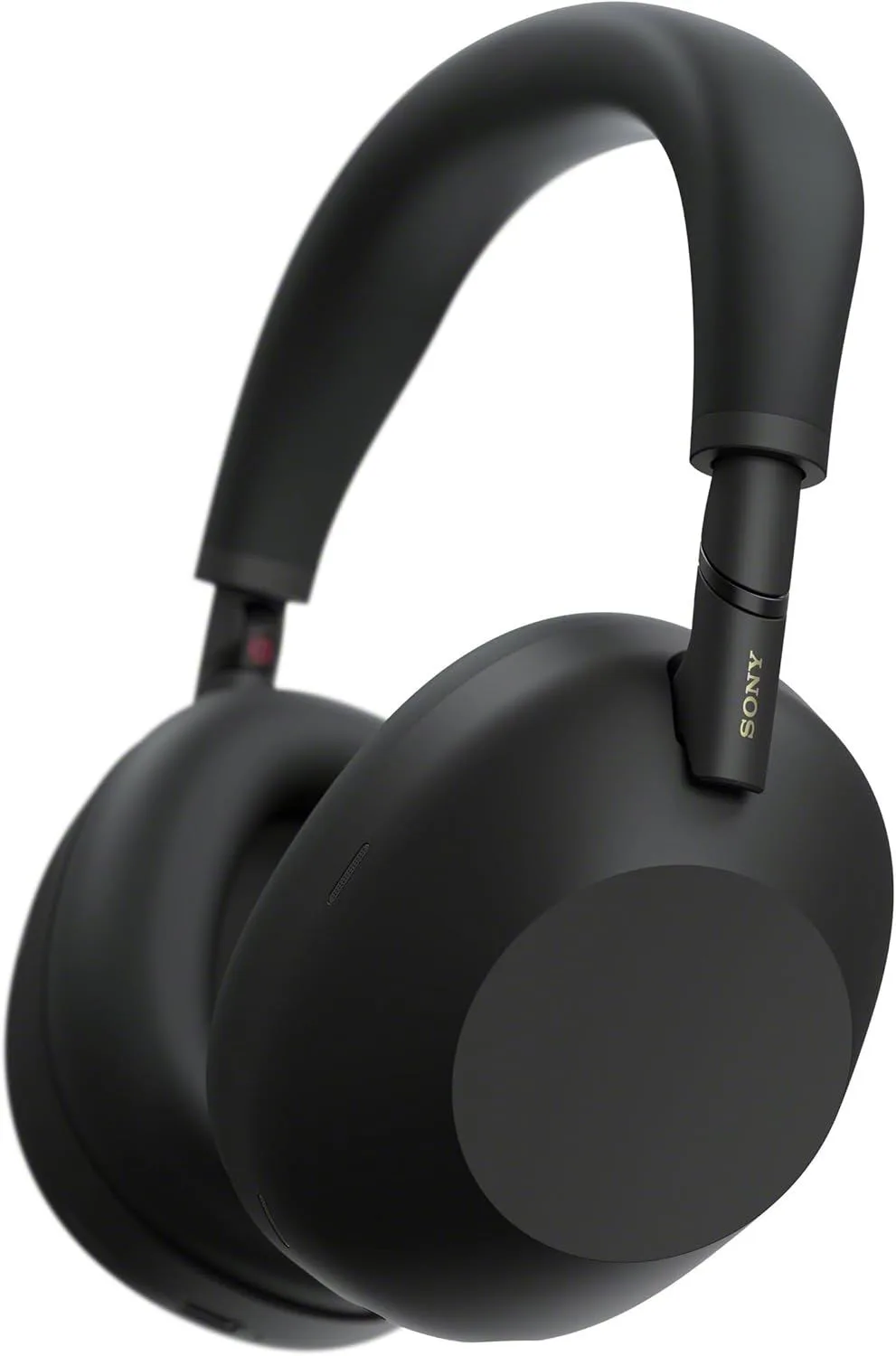
The Sony WH-1000XM6 tops this list because it was built for exactly the environments commuters face daily. Its 12-microphone ANC system cancels more low-frequency noise than any competitor — the drone of a diesel bus, the sustained rumble of subway wheels on track, the hum of an HVAC vent on a commuter rail car. RTINGS measured it at the top of every ANC benchmark, and What Hi-Fi awarded 5 stars, calling the sound quality "a sensational performance upgrade" over its predecessor.
Call quality is where the Sony WH-1000XM6 separates itself for commuters. Twelve beamforming microphones with AI voice isolation mean the person on the other end hears your voice clearly even when you are standing on a busy train platform. SoundGuys confirmed it delivers the clearest hands-free calls of any headphone they tested in 2025. If you take morning stand-ups or client calls from transit, this mic system is the single biggest reason to choose the XM6 over every other pick on this list.
The foldable design is a practical commuter advantage that the Bose QuietComfort Ultra at #2 lacks. The XM6 folds flat into a more compact case that fits in a work bag side pocket. Sony also redesigned the hinge with aluminum reinforcement after documented failures in the XM5 generation — important for a headphone that gets folded and unfolded twice daily. Battery holds at 30 hours with ANC, enough for two full weeks of 90-minute round-trip commutes before you need to charge.
The weak spot for commuters: no USB-C audio playback (wired listening requires a 3.5mm cable), and a scattered but documented whistling noise in the left speaker during ANC operation has been flagged by SoundGuys and multiple owners. Sony's Headphones Connect app compensates with Auto NC Optimizer — a feature that calibrates cancellation intensity to your specific ear shape and environment. Set it once on your morning train, and the Sony WH-1000XM6 adapts to your exact commute conditions.
Read our full XM6 review for ANC measurements, hinge durability data, and sound comparisons.
Check Price on Amazon#2: Bose QuietComfort Ultra — Built for the Long Ride
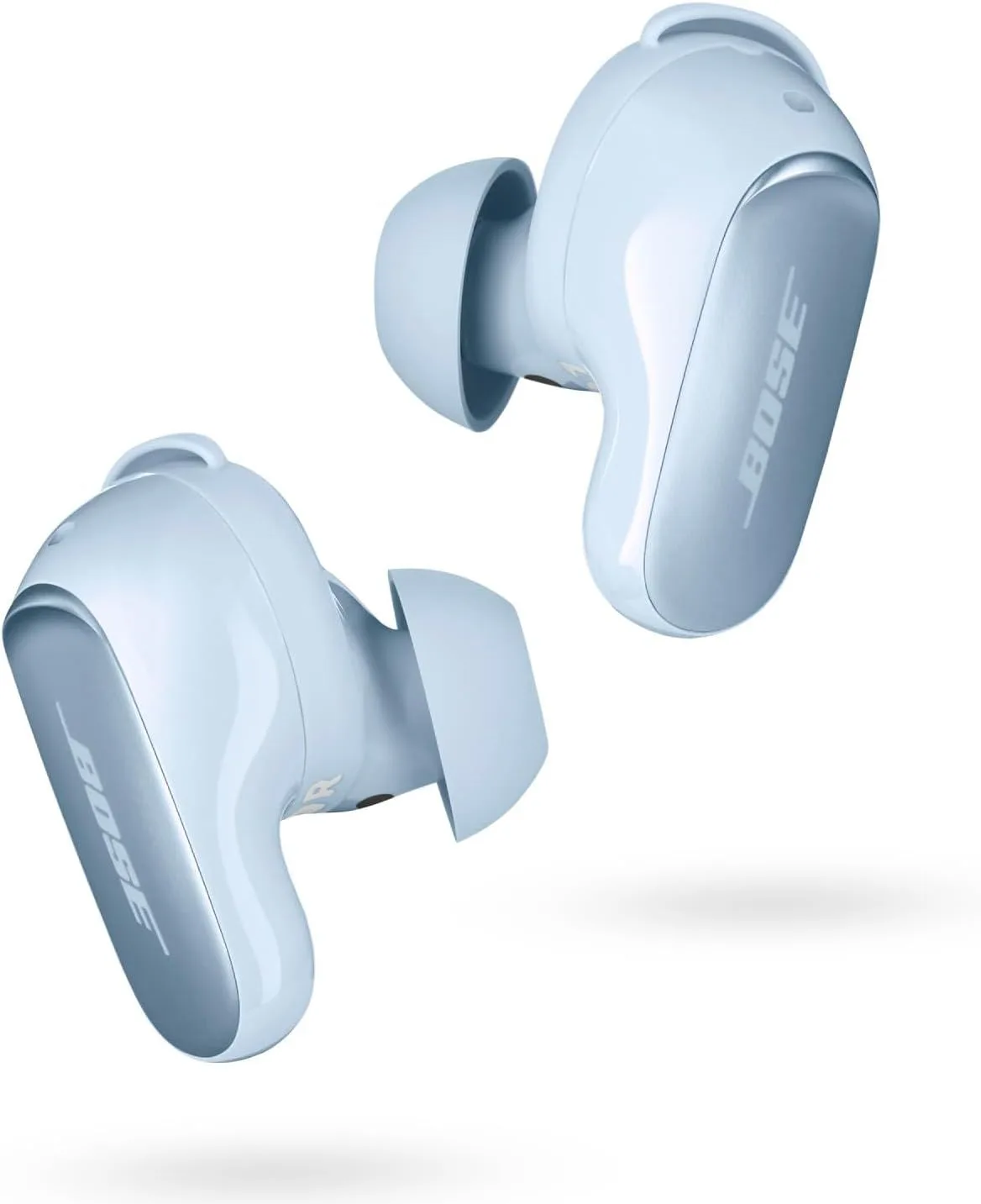
If your commute exceeds 45 minutes each way, comfort becomes the deciding factor — and no headphone in any category wears as well as the Bose QuietComfort Ultra 2nd Gen. At 260 grams with plush ear cushions and lower clamping force than Sony or Sennheiser, it is the headphone you forget you are wearing by the second stop. Rolling Stone called it "the best headphones on the market if ANC is your top priority." What Hi-Fi awarded 5 stars and praised its sound as "hugely accomplished."
CustomTune calibration gives commuters a specific advantage. The system uses an in-ear tone played during each wear to map your ear canal acoustics, then adjusts both ANC and EQ to your specific seal. This matters on transit because fit shifts when you move — standing up, turning your head, adjusting a bag strap. CustomTune compensates for those micro-shifts better than any static ANC profile. The 2nd Gen also added 30-hour battery (up from 24), eliminating the one area where the original fell behind the XM6.
The Bose QuietComfort Ultra does not fold. That is its biggest practical drawback for commuters — the carrying case is bulkier than Sony's, and it does not compress into a side pocket as neatly. Bose also lacks LDAC support, capping wireless audio at AAC quality. For Android users with LDAC-capable phones listening to lossless music, this is a measurable gap. The companion app is simpler than Sony's — fewer EQ options, a binary Quiet/Aware toggle instead of granular ambient control. For commuters who want to put headphones on and stop thinking about settings, that simplicity is a feature.
One commuter-specific note: the Aware mode (transparency) pipes in ambient sound at a natural volume that lets you hear platform announcements and approaching vehicles without removing the headphones. Bose's implementation sounds less processed than most competitors, which matters when you need to parse a garbled PA system through your headphones.
Read our Bose QC Ultra review for comfort endurance testing, CustomTune analysis, and USB-C wired audio comparisons.
Check Bose QC Ultra Price
#3: Apple AirPods Pro 3 — The Pocket-First Commuter Pick
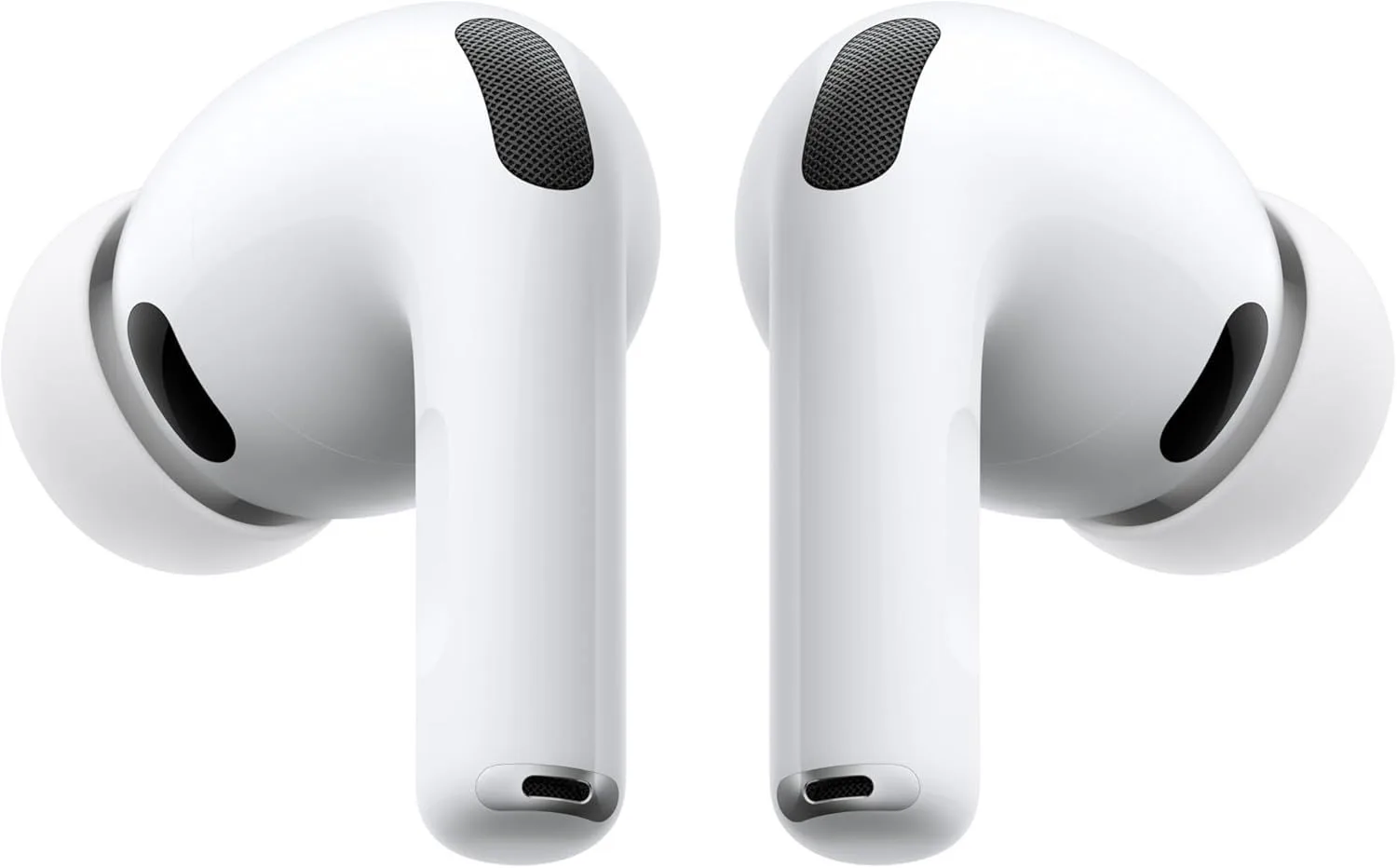
Not every commuter wants over-ear headphones. If you walk to the station, ride for 20 minutes, then walk to the office — earbuds that slip into a jacket pocket are more practical than a headphone case taking up bag space. The Apple AirPods Pro 3 is the best earbud for commuters because it pairs ANC depth that rivals over-ear models with a form factor smaller than a coin purse. The H2 chip drives computational noise cancellation that multiple reviewers confirmed eliminates office chatter and airplane drone — and it handles the mid-frequency chaos of a subway car with equal confidence.
Adaptive Audio is the commuter-specific feature that sets these earbuds apart. It blends ANC and transparency dynamically based on ambient volume — full noise cancellation on the train, automatic ambient pass-through when you step onto the platform. You never touch a button. The Sony WH-1000XM6 requires manual mode switching (or a voice-activated Speak-to-Chat feature), but the Apple AirPods Pro 3 handles the transition automatically. For stop-and-go commutes with multiple transfers, this saves real friction every morning.
Battery is 8 hours per charge with ANC on, 33 hours total with the charging case. The case itself is the unsung commuter tool — drop the earbuds in during your morning coffee, and they are full by the time you leave. Five minutes of case charging adds roughly an hour of listening. The IP57 water resistance also handles rain, sweat from a brisk walk, and the general humidity of a packed rush-hour train car.
The limitation is ANC ceiling. In the loudest transit environments — an old subway car with shrieking brakes, a bus with an unmuffled diesel engine — over-ear models from Sony and Bose cancel more noise because their ear cups add a layer of passive isolation that no earbud can match. The Apple AirPods Pro 3 closes the gap more than any previous earbud, but physics still favors full-size cushions for the lowest frequencies. An unresolved static noise during ANC operation has also been reported by a subset of owners — Apple has not fully addressed it across two firmware updates.
Read our AirPods Pro 3 review for ANC earbud testing, Adaptive Audio analysis, and comfort notes across ear sizes.
Check AirPods Pro 3 Price
Our #1 pick: The Sony WH-1000XM6 delivers the deepest ANC and the clearest call quality for commuters across every transit type.
Check Price on Amazon#4: Sony WH-1000XM5 — Proven ANC at a Reduced Price
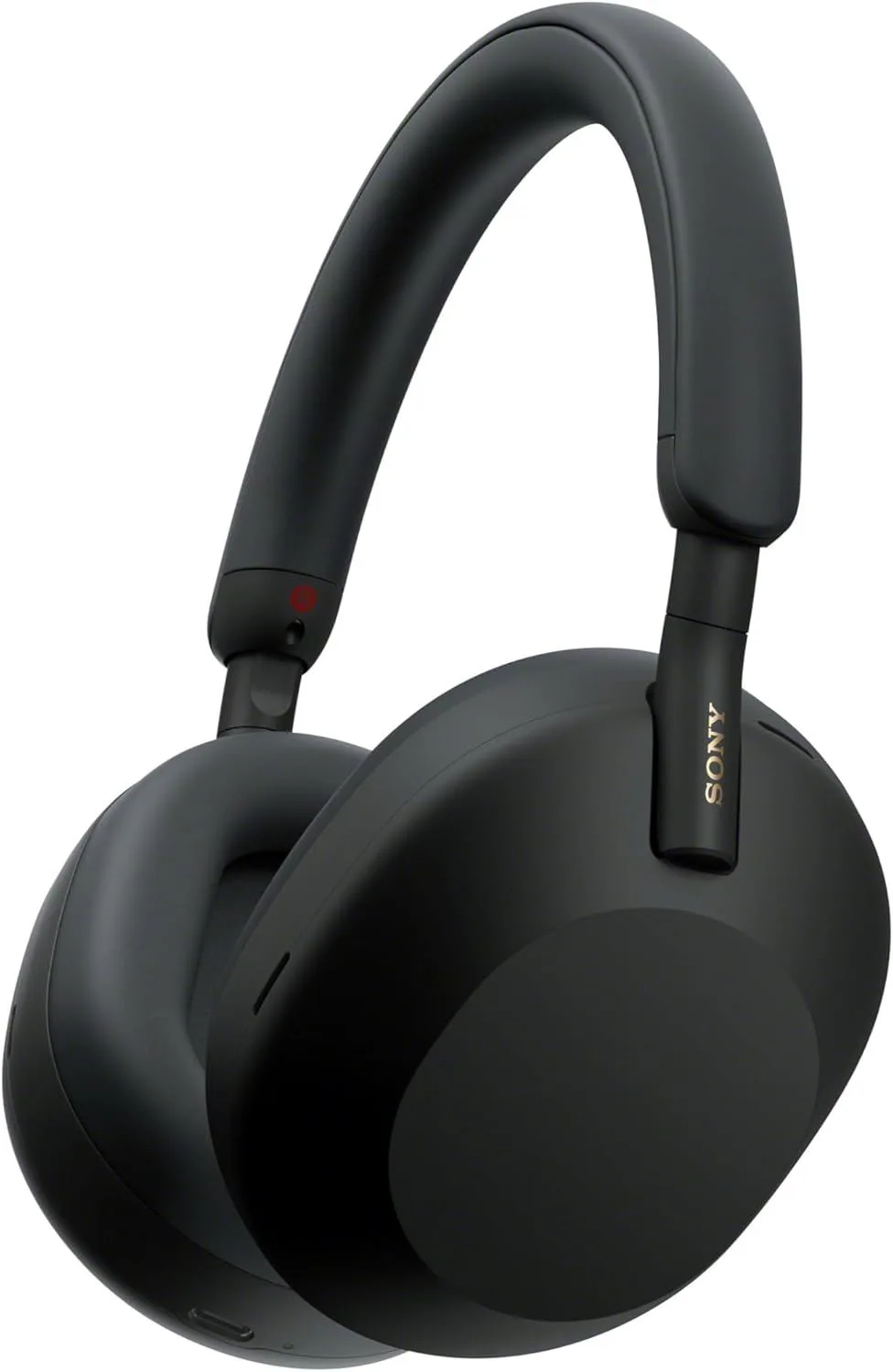
The Sony WH-1000XM5 was the ANC standard until the XM6 replaced it, and at its current discounted price, it remains one of the best values for commuters who want premium noise cancellation without paying premium-tier prices. The 8-microphone ANC system still cancels more noise than every mid-range and budget competitor. RTINGS rated it among the best ANC headphones ever measured, and that performance holds up on busy transit.
Call quality is arguably the XM5's strongest commuter feature — and it still leads several newer models. Four beamforming microphones with AI signal processing isolate your voice from background transit noise with clarity that SoundGuys praised as best-in-class at the time of review. The 30-hour battery with a 3-minute quick charge (adding 3 hours of playback) covers a full work week of commuting with margin to spare. Sony's Headphones Connect app provides the same Auto NC Optimizer and granular EQ control as the XM6.
The documented issue: a SoundGuys poll of 2,000+ XM5 owners found a 47% failure rate, with headband-hinge breaking as the most common failure at 24%. Sony does not cover broken hinges under warranty. A class action investigation was opened in September 2025 by Migliaccio & Rathod LLP. For commuters who fold and unfold headphones twice daily, the hinge sees more mechanical stress than it would for desk-only use. If you buy the Sony WH-1000XM5, invest in a rigid carrying case and handle the hinge gently. The XM6 review covers the hinge redesign in detail.
The Sony WH-1000XM5 also does not fold flat — its case is bulkier than the XM6's. For bag-limited commuters who walk or cycle to transit, this is worth considering. But at its current street price, the XM5 delivers 85-90% of the XM6's commuter performance at a price reduction that matters for anyone who does not need the absolute best ANC or the redesigned hinge.
Read our detailed XM5 review for hinge durability data, call quality tests, and value analysis against the XM6.
Check Sony XM5 Price#5: Sennheiser Momentum 4 — Charge Once, Commute All Week
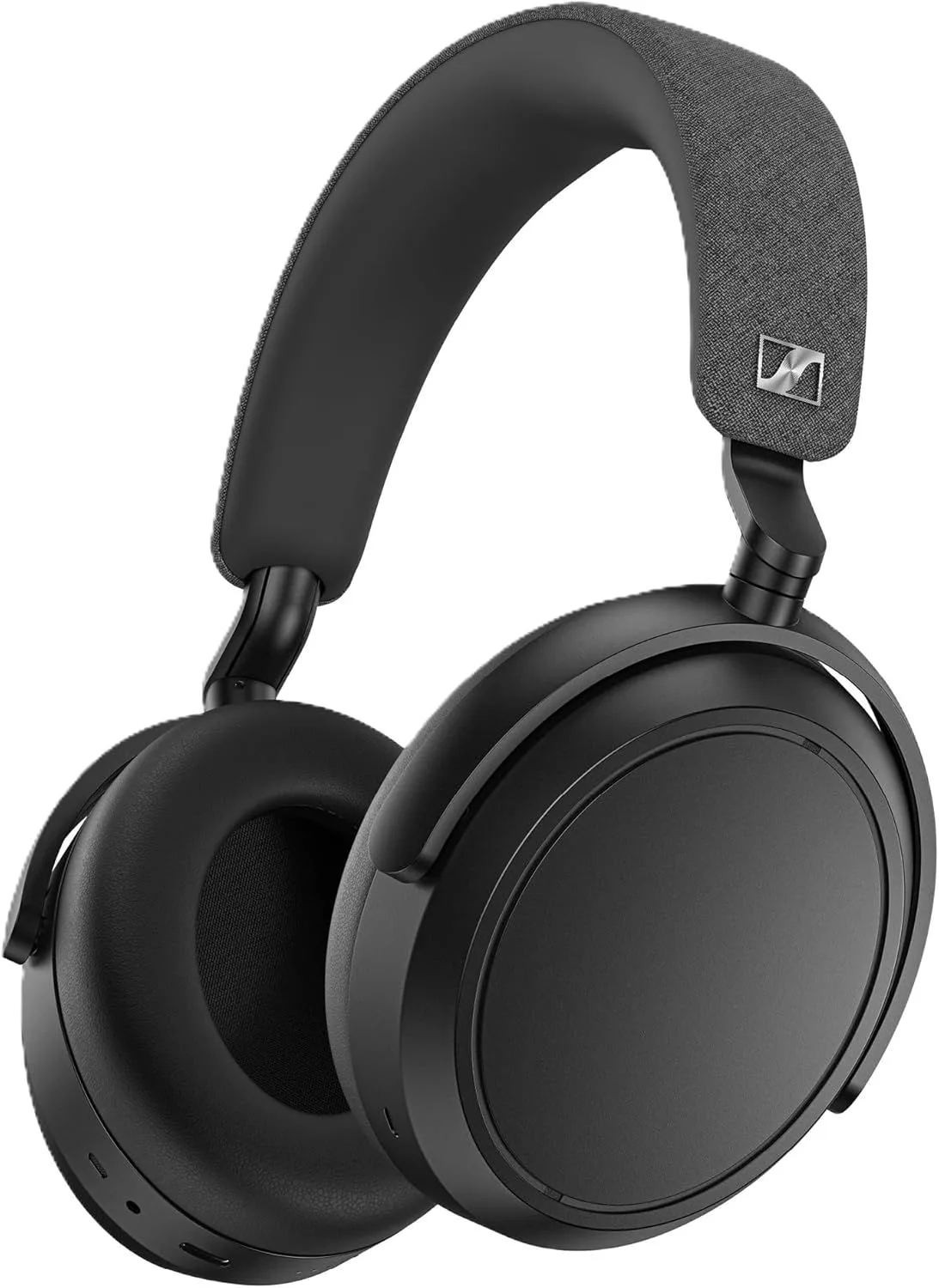
Sixty hours of battery with ANC active. That single number redefines what weekly charging means for commuters. Plug in the Sennheiser Momentum 4 on Sunday night, ride transit every weekday with 90-minute round trips, listen during lunch breaks, and still have power left by Friday evening. No other headphone in any price range removes battery anxiety this completely. For commuters who have missed a morning because their headphones died overnight, the Momentum 4 solves that problem permanently.
Sound quality is the other reason the Sennheiser Momentum 4 earns a spot on a commuter list. Sennheiser tunes warmer and more balanced than Sony or Bose out of the box — less bass emphasis, more midrange clarity. For podcast-heavy commuters and audiobook listeners, this tuning makes voices sound natural and present instead of colored. aptX Adaptive codec support gives Android users the highest-quality wireless Bluetooth path available, a measurable advantage over the Bose QC Ultra (AAC only). Music sounds richer during the commute, and spoken content sounds cleaner.
ANC is the concession. In demanding commuter environments — a packed subway car with screeching brakes, a loud diesel bus — Sony and Bose cancel more noise at more frequencies. The Sennheiser Momentum 4 handles office noise and moderate transit rumble well, but it does not match the top two picks in the noisiest conditions. Firmware-induced Bluetooth instability has also been reported after updates, though Sennheiser has addressed most issues in subsequent patches. If you ride relatively quiet commuter rail or light rail, the ANC gap is barely noticeable. On a loud urban subway system, you will hear the difference.
At its current street price — below most premium competitors — the Sennheiser Momentum 4 is the strongest value on this list for commuters who can tolerate slightly less ANC depth in exchange for battery that simply never runs out during a normal week. The 293-gram weight sits between the lighter Bose and the heavier options, comfortable enough for daily 45-minute rides without neck fatigue.
Read our Momentum 4 review for battery longevity testing, sound signature analysis, and ANC comparisons in transit environments.
Check Momentum 4 PriceHow We Chose
Every headphone on this list was evaluated against five criteria weighted for commuter use: ANC depth in transit-frequency ranges (30%), call quality with background noise (20%), portability and daily carry practicality (20%), comfort for 30-90 minute rides (15%), and battery life relative to weekly commute patterns (15%). We weighted ANC depth highest because noise cancellation on transit is the primary reason commuters buy these headphones.
Data sources include measured ANC performance from RTINGS (the most rigorous independent testing lab for audio products), long-form expert reviews from SoundGuys, What Hi-Fi, Tom's Guide, and Consumer Reports, plus owner feedback mined from 56,000+ combined Amazon ratings across all five products. We specifically sought out commuter-specific complaints — ANC performance on subways, call quality from train platforms, battery that dies mid-week, and portability friction for daily carry. Products with pre-release status carry provisional rankings subject to change after independent testing.
This is a cross-category list. We pulled from over-ear and earbud categories because the best commuter headphone depends on commute type, not product category. A 20-minute walk-and-ride commuter has different needs than a 90-minute rail rider. Rankings reflect the current market as of spring 2026, and we update this page when prices shift, firmware changes ANC performance, or new products enter the market.
Buying Guide: What to Look For
Noise Cancellation on Transit: What Actually Gets Blocked
ANC works by generating inverse sound waves that cancel ambient noise — but it is far more effective against constant, low-frequency sounds (engine hum, rail vibration, HVAC drone) than against sudden, high-frequency ones (brake screeches, platform announcements, nearby conversations). On a bus or commuter train, premium ANC from Sony or Bose can reduce engine noise by 85-95%. On a subway car in motion, the constant track rumble is almost eliminated. What ANC cannot do: silence the person next to you on a phone call or block the screech of metal-on-metal braking. Passive isolation — the physical seal of ear cups or ear tips — handles those higher frequencies. Over-ear models win on passive isolation by default because they cover the entire ear.

Over-Ear vs Earbuds: Matching Form Factor to Your Commute
Over-ear headphones (the Sony WH-1000XM6, Bose QuietComfort Ultra, Sony WH-1000XM5, and Sennheiser Momentum 4) deliver deeper noise cancellation and longer battery life. They are the right choice for commuters on loud transit systems — urban subways, diesel buses, older rail cars — where maximum quiet matters. The downside: they take up bag space, mess up hairstyles, and get warm in summer. Earbuds like the Apple AirPods Pro 3 sacrifice some ANC depth in exchange for pocket portability, lighter weight, and better compatibility with hats, hoods, and helmets. For multi-modal commuters (walk, ride, walk), earbuds eliminate the fumble of pulling headphones out of a bag at every transition. Neither form factor is universally better — it depends on the loudness of your transit and how much you value pocketability.
Call Quality: Why Microphone Count Is Not the Whole Story
Commuters who take calls from transit need headphones with strong voice isolation — the ability to pick up your voice clearly while suppressing the bus engine, crowd chatter, and wind noise around you. Raw microphone count matters less than processing quality. The Sony WH-1000XM6 has 12 microphones, but its AI voice processing does more work than the hardware count suggests. The Sony WH-1000XM5 achieves nearly identical call clarity with 4 beamforming mics because the same AI pipeline runs on both. Wind noise is the toughest challenge for any headphone mic — open platforms and windy streets degrade call quality across all models. If you call from outdoor transit stops regularly, over-ear headphones perform better than earbuds because the ear cups physically block wind from reaching the microphones.
Battery Life: What Weekly Commuters Actually Need
A 90-minute daily round-trip commute, five days a week, consumes 7.5 hours of playback per week. Add weekend listening and the real weekly draw is closer to 12-15 hours. The Sennheiser Momentum 4 at 60 hours covers nearly a month of that usage on a single charge. The Sony WH-1000XM6 and Bose QuietComfort Ultra at 30 hours each last two full weeks. Even the Apple AirPods Pro 3 at 8 hours per charge (33 total with the case) covers a week if you drop them in the case between rides. Manufacturer battery specs assume moderate volume — real-world transit listening at higher volumes in noisy environments typically reduces battery by 10-15%. Quick charge features matter for commuters who forget to plug in: the Sony WH-1000XM5 gets 3 hours from a 3-minute charge, enough for an emergency morning commute.
Portability: Foldable Design, Case Size, and Daily Carry
Commuters carry headphones daily, which means case size and fold design matter more than they do for occasional travelers. The Sony WH-1000XM6 folds flat into a compact case — the most commuter-friendly over-ear packaging on this list. The Bose QuietComfort Ultra and Sony WH-1000XM5 do not fold, requiring larger cases that eat more bag space. The Sennheiser Momentum 4 folds flat and fits into a slim case comparable to Sony's. For commuters with small bags or no bag at all, the Apple AirPods Pro 3 is the clear portability winner — the charging case clips to a keychain or disappears into a coat pocket. Weight also matters for neck comfort on longer rides: the Bose QuietComfort Ultra at 260 grams and the Sony WH-1000XM6 at 254 grams are the lightest over-ear options here.
Which Commuter Should Buy Which Pick
Matching the right headphone to your specific commute pattern matters more than chasing the top-ranked pick. If you ride a loud urban subway and take work calls from the platform, the Sony WH-1000XM6 at #1 is built for exactly that scenario — deepest ANC, best call mic, foldable case. If your commute is a 60+ minute train ride where wearing comfort is the priority, the Bose QuietComfort Ultra at #2 delivers the most fatigue-free ride with ANC that is only a fraction behind Sony.
iPhone commuters who walk-ride-walk and want something they can forget is in their pocket should start with the Apple AirPods Pro 3 at #3 — Adaptive Audio handles the mode switching for you. Budget-conscious commuters or anyone whose commute is relatively quiet (light rail, commuter bus) will find the Sony WH-1000XM5 at #4 delivers 90% of the flagship experience at a substantial discount. And if you are the commuter who forgets to charge on Sunday night and panics Monday morning, the Sennheiser Momentum 4 at #5 makes that impossible with its 60-hour marathon battery.
Commuter Headphone Questions Answered
Are over-ear headphones or earbuds better for commuting?
It depends on your commute length and transit type. Over-ear models like the Sony WH-1000XM6 cancel more low-frequency noise (subway rumble, bus engines) because the ear cups add passive isolation on top of ANC. Earbuds like the Apple AirPods Pro 3 are far more portable — they fit in a pocket, weigh under 6 grams per earbud, and are easier to wear with hats and hoods in cold weather. For commutes under 30 minutes where pocketability matters most, earbuds win. For 45+ minute rides on loud transit, over-ear models deliver noticeably deeper quiet.
How important is call quality in commuter headphones?
Very — if you take calls during your commute. The Sony WH-1000XM6 leads with 12 beamforming microphones and AI voice processing, delivering the clearest hands-free audio in any headphone. The Sony WH-1000XM5 is a close second with 4 beamforming mics and the same AI processing at a lower price. The Apple AirPods Pro 3 handles calls well in moderate noise but struggles more in windy or high-traffic environments. If you regularly join meetings from a bus or train platform, mic quality should rank above sound quality in your decision.
Do noise-cancelling headphones block subway and bus noise?
Yes, but effectiveness varies by frequency. ANC excels at constant low-frequency drone — the engine hum of a bus, the sustained rumble of a subway car in motion. It is less effective against sudden, high-frequency sounds like announcements, braking screeches, and nearby conversations. Premium models from Sony and Bose cancel 85-95% of low-frequency transit noise. The Apple AirPods Pro 3 reaches similar ANC depth in the earbud category. Budget models typically cancel 70-80%. No headphone eliminates all ambient sound — passive isolation from ear tips or cushion seal handles what ANC cannot.
How long should commuter headphone battery last?
A minimum of 20 hours covers most weekly commuters without mid-week charging. The Sennheiser Momentum 4 at 60 hours is the clear leader — charge it Sunday night, use it every weekday commute plus weekend listening, and still have power left. The Sony WH-1000XM6 and Bose QuietComfort Ultra both deliver 30 hours, enough for a full week of 90-minute daily round trips. The Apple AirPods Pro 3 offers 8 hours per charge with 33 hours total including the case — the case acts as a portable charger, so you recharge during the workday by dropping them back in.
Is it safe to wear noise-cancelling headphones while commuting?
On public transit (buses, trains, subways), ANC headphones are safe and widely used — you are seated or standing in an enclosed vehicle. Walking near traffic is different. Every headphone on this list includes a transparency or ambient mode that pipes outside sound through the microphones so you can hear car horns, bike bells, and crosswalk signals without removing the headphones. The Apple AirPods Pro 3 adds Adaptive Audio that automatically blends ANC and transparency based on ambient volume. Use transparency mode any time you are walking near vehicles.
Track Headphones for Commuting Picks
We'll let you know when our picks for this category change.
Only when something changes. Unsubscribe anytime.
Our Top Pick
The Sony WH-1000XM6 is our #1 recommendation — android users who want the absolute best anc and detailed sound without apple ecosystem dependency.
Check Price: Sony WH-1000XM6