Best Headphones for Working from Home 2026
Remote work changed what headphones need to do. The daily use case shifted from music-first to calls-first — Zoom meetings, Teams standups, Slack huddles, and the occasional focused deep-work block where ANC turns a shared apartment into a private office. The best WFH headphones excel at microphone clarity for video calls, comfort for 6-8 hour wear at a desk, and battery life that covers the full workweek without daily charging.
We evaluated these picks against real WFH workflows: back-to-back video calls in shared spaces, deep focus sessions with ambient distractions, and the constant device switching between laptop and phone that defines hybrid work. Data comes from 450,000+ combined Amazon ratings, expert reviews from RTINGS, SoundGuys, What Hi-Fi, Tom's Guide, and Consumer Reports. Every pick on this list works for music too — but the ranking prioritizes what remote workers actually need.
Remote Work Headphone Testing
- #1 Sony WH-1000XM6 — Android users who want the absolute best ANC and detailed sound without Apple ecosystem dependency
- #2 Bose QuietComfort Ultra — Users who want the most comfortable premium ANC headphones with excellent noise cancellation and set-and-forget simplicity
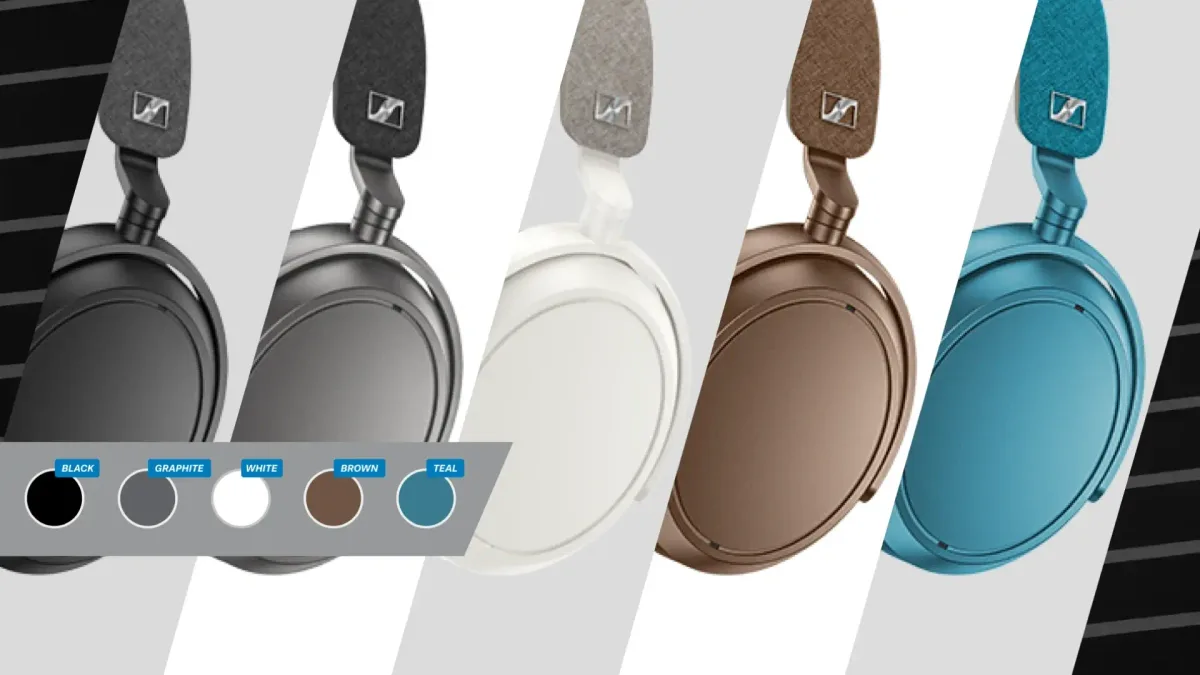
- #3 Sennheiser Momentum 4 — Android users and business travelers who prioritize battery marathon, balanced sound, and all-day comfort over peak ANC
- #4 Apple AirPods Pro 3 — iPhone users who want the best-in-class ANC earbuds with health monitoring and Apple ecosystem features
- #5 Beats Studio Pro — Apple ecosystem users who want USB-C lossless audio, 40-hour battery, and lifestyle aesthetics without flagship ANC demands
Quick Picks at a Glance
| Feature | Editor's Pick Sony WH-1000XM6 Wireless Noise Canceling Headphones | Bose QuietComfort Ultra Wireless Noise Cancelling Headphones | Sennheiser Momentum 4 Wireless Premium Over-Ear Headphones | Apple AirPods Pro 3 Wireless Earbuds with Active Noise Cancellation | Beats Studio Pro Wireless Bluetooth Noise Cancelling Headphones |
|---|---|---|---|---|---|
| Price Range | $250–$500 | $250–$500 | $100–$250 | $100–$250 | $100–$250 |
| Driver Size | 40mm dynamic | Bose proprietary | 42mm | Apple custom (H2) | 35mm custom |
| Battery Life | 30 hrs (ANC on) | 30 hrs (ANC on) | 60 hrs (ANC on) | 8 hrs / 33 hrs total | 40 hrs ANC / 80 hrs off |
| Weight | 254g (8.96 oz) | 260g | 293g | ~5.7g per earbud | ~260g |
| Bluetooth Codecs | LDAC, AAC, SBC | AAC, SBC | aptX Adaptive, aptX, AAC, SBC | AAC, Apple Lossless | AAC, aptX HD, USB-C lossless |
| ANC Type | Dual-processor, 12 mics | CustomTune, 6 mics | 3 ANC levels + transparency | H2 chip, computational | Adaptive, 3 mic pairs |
| Check Price | Check Price | Check Price | Check Price | Check Price |
#1: Sony WH-1000XM6 — The Video Call Champion
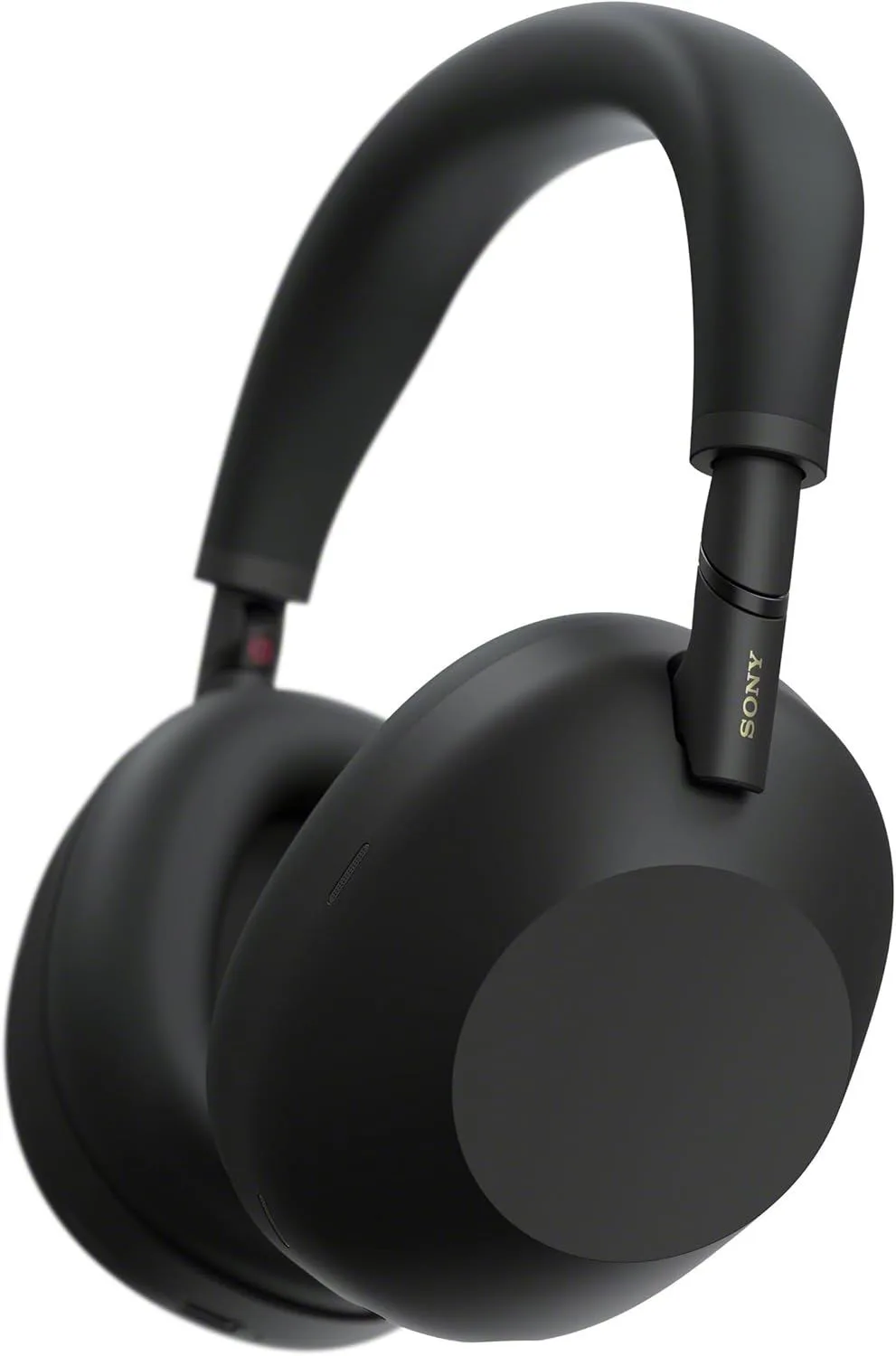
The Sony WH-1000XM6 earns the top spot for remote workers because of one feature that matters more than any other in the WFH context: call quality. Its 12-microphone beamforming array with AI voice processing delivers the clearest hands-free audio in any consumer headphone. TechGearLab confirmed it "provides the clearest calls even in challenging environments like crowded airports" — and if it handles airport noise, it handles a barking dog or a partner on a call in the next room.
ANC depth is the second pillar. The Sony WH-1000XM6 cancels ambient noise across the widest frequency range of any headphone on this list, according to RTINGS measurements. For remote workers in shared apartments, open-plan home offices, or houses near busy streets, the ANC turns environmental chaos into workable quiet. The difference is most pronounced in the 100-400Hz range where household noise concentrates — refrigerator compressors, HVAC rumble, and the muffled bass of a TV in the next room all drop below the threshold of distraction. The Sony Headphones Connect app lets you fine-tune ANC intensity and ambient pass-through — useful for hearing a doorbell or a child calling without removing the headphones entirely.
Multipoint Bluetooth connects to both your laptop and phone simultaneously, so incoming phone calls route to the headphones automatically (or you can reject them without switching devices). Battery at 30 hours covers 3-4 full workdays of continuous use. The 254g weight is comfortable for most users across a full workday, though it is heavier than the Bose QuietComfort Ultra. The missing USB-C audio means wired desktop listening requires the 3.5mm analog jack — not ideal for USB-C-only laptops without an adapter.
Read our detailed XM6 review for call quality testing, ANC measurements, and comparison against Bose.
Check Price on Amazon#2: Bose QuietComfort Ultra — The All-Day Comfort Pick
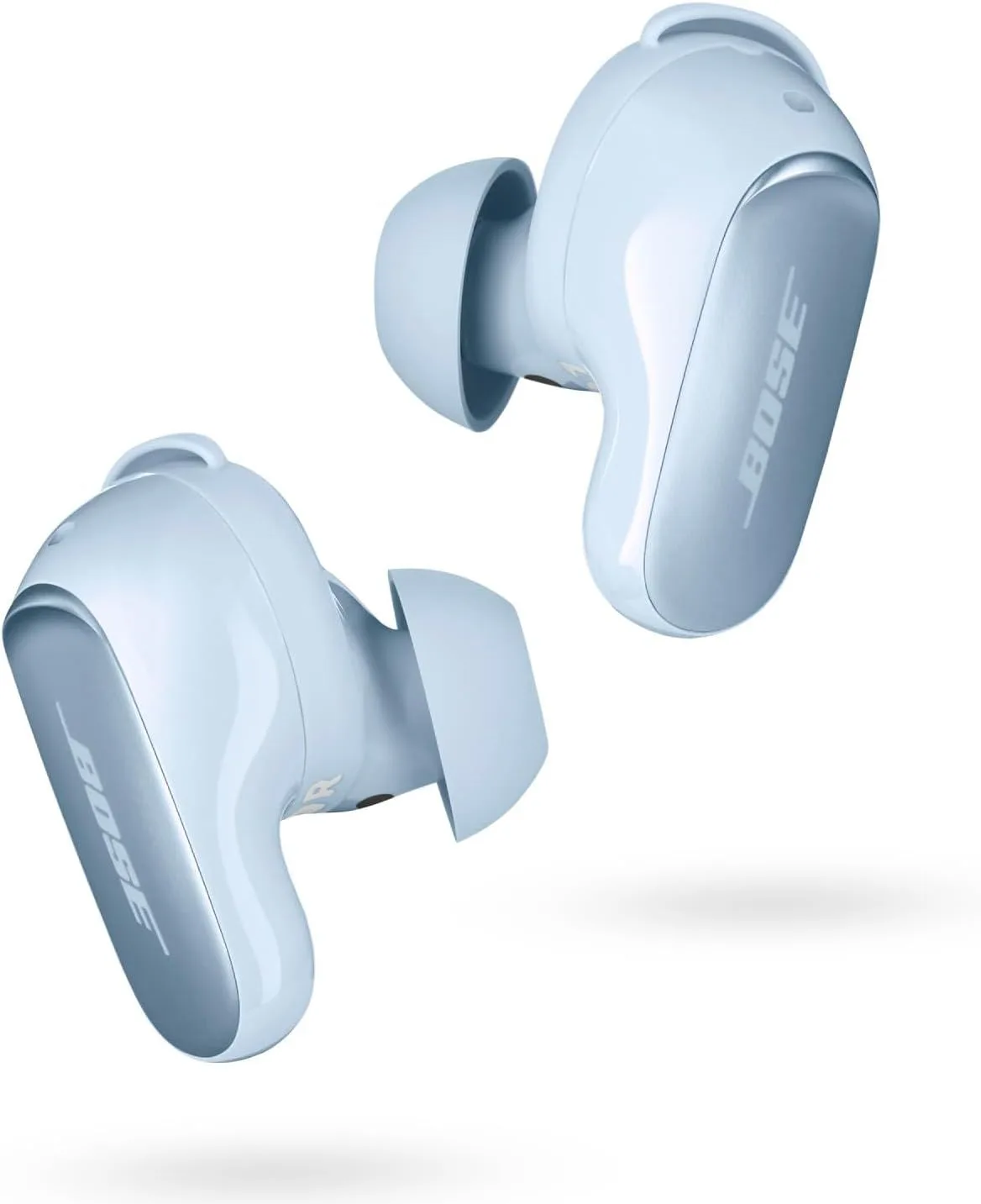
If your primary complaint about current headphones is that they hurt after two hours, the Bose QuietComfort Ultra solves that problem. Multiple reviewers across RTINGS, What Hi-Fi, and Tom's Guide describe its comfort as the best in the premium over-ear category — plush ear cushions, balanced headband pressure, and a 260g weight that disappears during long sessions. For remote workers who wear headphones from their first morning standup through their last afternoon call, comfort is not a luxury feature. It is the foundation.
ANC is near-identical to the Sony WH-1000XM6 in practical terms — Bose matches Sony across most frequency ranges, with marginal advantages at extreme low frequencies. CustomTune calibration personalizes ANC to your specific ear canal on every wear, which means the headphones adapt to different wearing positions throughout the day. Call quality is strong in moderate noise environments (a typical home office) though it falls behind Sony's 12-mic system when competing voices or loud appliances are present.
The 2nd Gen added USB-C wired lossless audio at 16-bit/48kHz — a notable advantage for desktop workers with USB-C laptops who want the best possible audio quality during music listening between calls. Battery at 30 hours matches the Sony WH-1000XM6. Multipoint Bluetooth works reliably between laptop and phone. The Bose app is simpler than Sony's, which is either a limitation (fewer EQ options) or a benefit (less to configure) depending on your preferences.
Read our Bose QC Ultra comfort analysis for all-day wear testing and USB-C audio comparison.
Check Bose QC Ultra Price
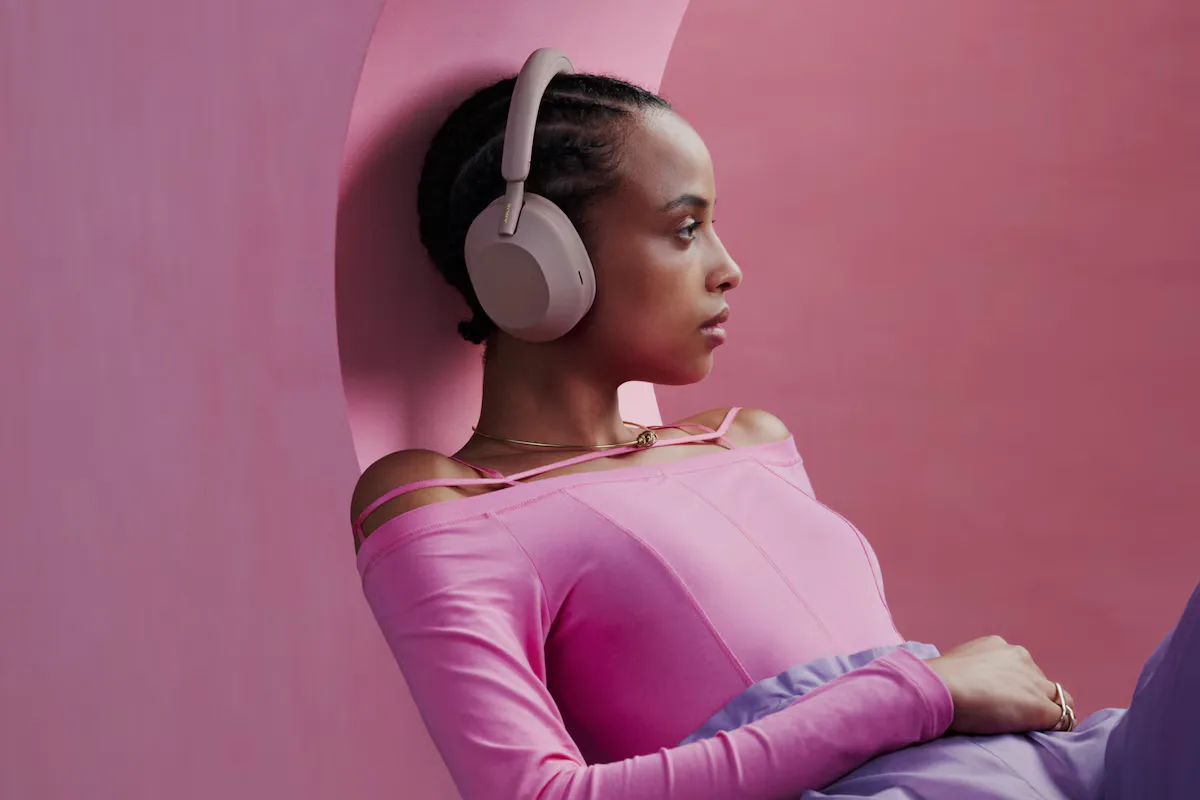
Our #1 pick for WFH: The Sony WH-1000XM6 combines 12-mic call clarity with the deepest ANC available.
Check Price on Amazon#3: Sennheiser Momentum 4 — The Battery Freedom Pick
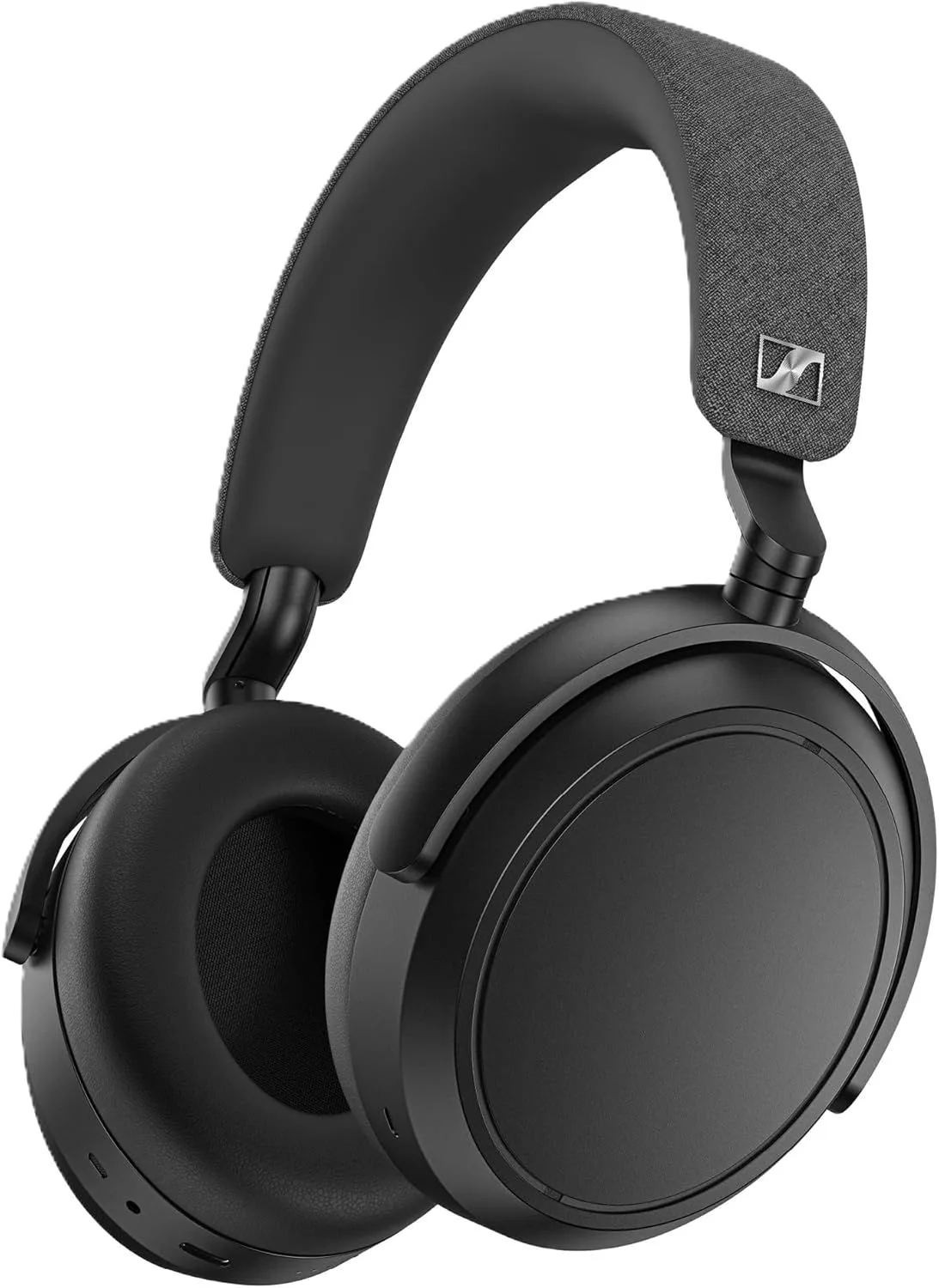
Sixty hours of battery with ANC active. For a remote worker, that translates to an entire Monday-through-Friday workweek of 8-hour days plus evening listening — on a single charge from Sunday night. No other headphone on this list (or any list) removes the charging chore so completely. If you have ever joined a morning call only to discover your headphones died overnight, the Sennheiser Momentum 4 makes that experience structurally impossible.
Sound quality is the Sennheiser Momentum 4's less-discussed strength. Sennheiser's balanced, warm tuning is preferred by audiophile reviewers for critical listening, and it translates into a pleasant all-day companion that does not fatigue your ears the way aggressive bass or sharp treble can during 6-8 hours of continuous use. aptX Adaptive codec gives Android users the highest-quality wireless path available — relevant for remote workers who listen to music during focused work blocks.
ANC is a tier below Sony and Bose in demanding environments, which matters less in a home office than on a subway. For the typical WFH noise profile — household appliances, neighbor noise, HVAC, street traffic — the Sennheiser Momentum 4's cancellation is more than sufficient. Call quality is adequate though not a standout. If your workday is 50%+ video calls, the Sony WH-1000XM6 at #1 justifies its premium for microphone clarity alone. If your workday is 70%+ focused solo work with occasional calls, the Sennheiser Momentum 4 is the better fit — superior battery, comparable comfort, and balanced audio for long listening sessions.
Read our Momentum 4 battery analysis for real-world endurance testing and sound signature comparisons.
Check Momentum 4 Price#4: Apple AirPods Pro 3 — The Apple Desk Companion
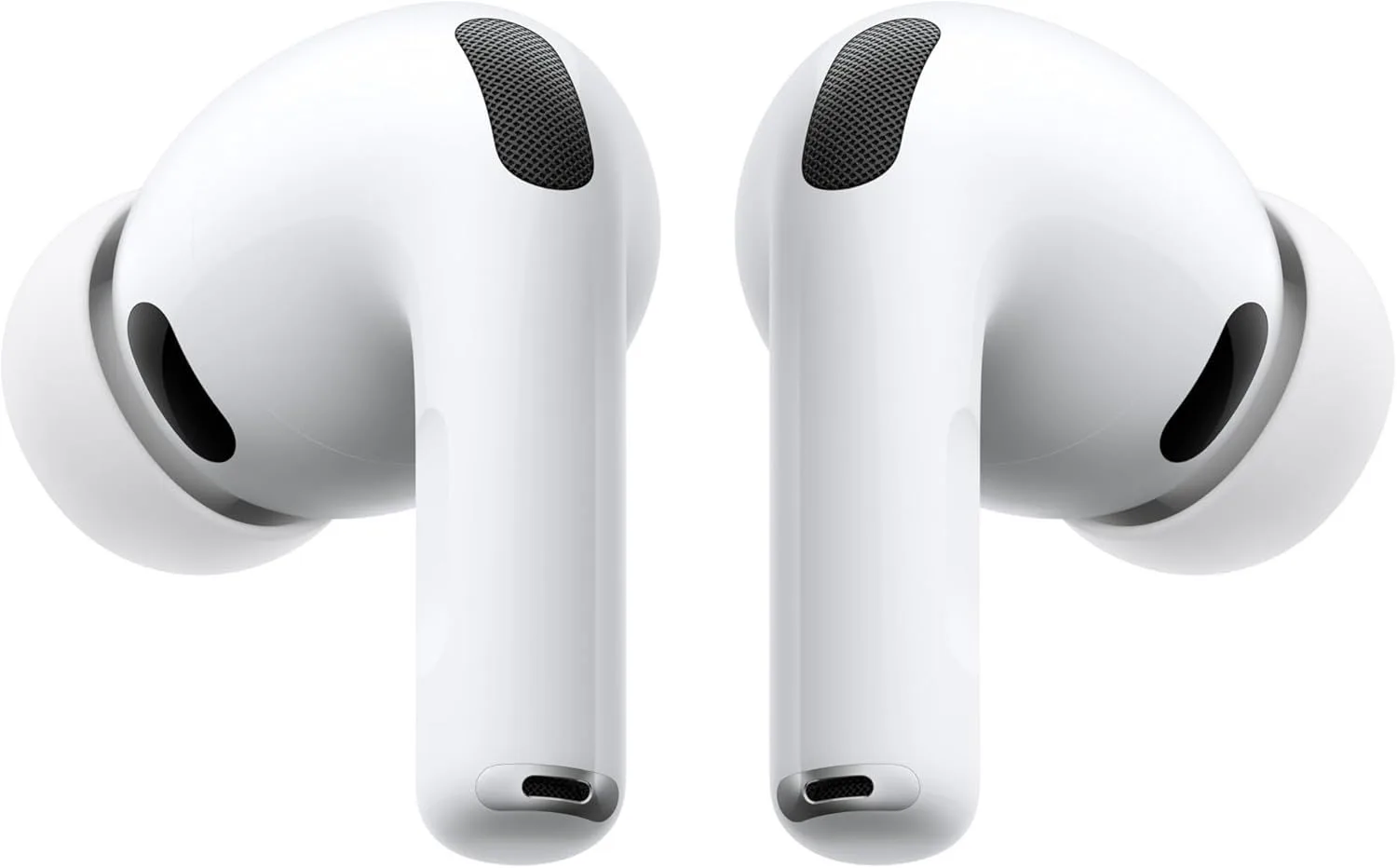
The Apple AirPods Pro 3 earn a spot on this list for Apple ecosystem workers who split their day between desk work and moving around the house. Automatic device switching between MacBook, iPhone, and iPad is faster and more reliable than any Bluetooth multipoint implementation — the earbuds follow your attention across devices without manual intervention. Voice Isolation on FaceTime and compatible apps actively separates your voice from background noise using on-device machine learning, delivering call clarity that approaches dedicated microphone setups.
The 8-hour per-charge battery is the tightest on this list for all-day desk use. A full workday of continuous calls will drain them by late afternoon. The 33-hour total battery with the case means you can drop them back in the case during lunch or a non-call focus block and recover 2-3 hours of playback. For workers who alternate between calls (earbuds in) and focused work (earbuds docked), the charging case acts as a battery buffer that extends effective daily use beyond the per-charge limit.
Comfort for extended wear is personal — in-ear earbuds cause fatigue for some users after 2-3 hours, while others wear them all day without issue. If you find over-ear headphones too warm or heavy, earbuds may be the better form factor for desk work. The ANC depth is the best in the earbud category and sufficient for typical home-office noise. For Mac-based remote workers, the Apple AirPods Pro 3 integrate more naturally into the workflow than any over-ear alternative.
Read our Pro 3 WFH testing for voice isolation analysis, device switching speed, and battery management strategies.
Check AirPods Pro 3 Price#5: Beats Studio Pro — The Budget WFH Pick
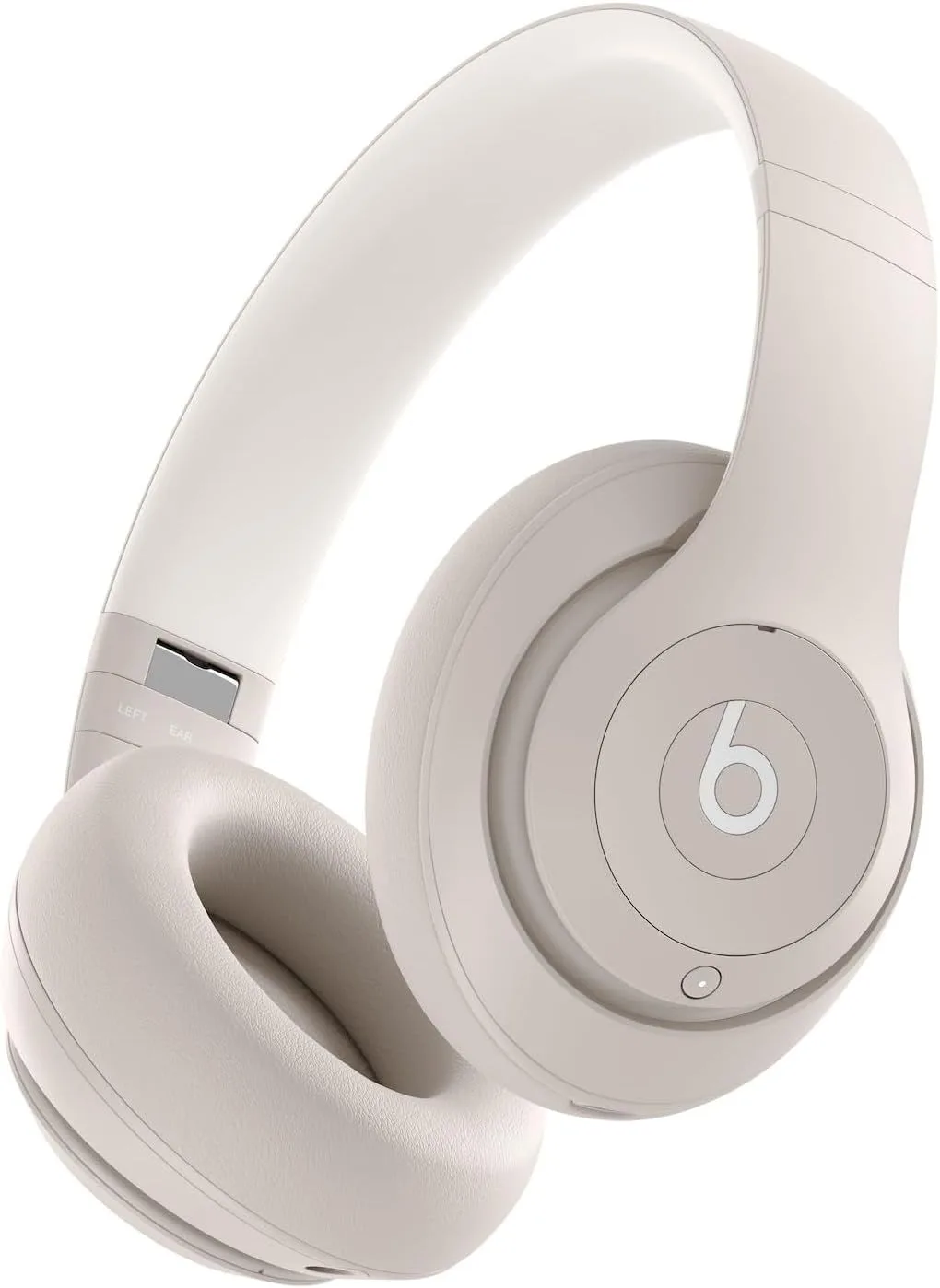
The Beats Studio Pro occupies the value position on this list, delivering USB-C wired lossless audio and a 40-hour ANC battery at a price notably below the top three picks. For remote workers on a budget who need a reliable daily driver for calls and music, it covers the essentials: decent call quality from 3 mic pairs, ANC that handles home-office noise (though not at Sony or Bose levels), and aptX HD on Android plus AAC on iPhone for good wireless audio quality.
The 40-hour battery with ANC is the second-longest on this list after the Sennheiser Momentum 4, translating to nearly a full workweek of continuous use without reaching for a cable. USB-C wired listening at the desk provides lossless audio quality during focused music sessions — a feature typically found at higher price points and one that eliminates Bluetooth latency during video editing or real-time audio work. The Beats Studio Pro is the only headphone on this list that offers both USB-C lossless AND cross-platform codec support (aptX HD for Android, AAC for iPhone).
Two limitations to note: ANC is a clear tier below the top three picks and will not fully block loud household noise or neighboring conversations. And the shallow 59x40mm ear cups cause pads to touch ears for users with larger pinnae, creating hotspots during 4+ hour sessions. If your WFH environment is relatively quiet and comfort is acceptable for your ear size, the Beats Studio Pro delivers 80% of the premium experience at roughly half the price. For noisier environments or longer wear sessions, the Bose QuietComfort Ultra at #2 justifies its premium.
One additional strength for mixed-platform households: the Beats Studio Pro is one of few headphones that supports aptX HD on Android AND AAC on iPhone with equal feature depth. If your work laptop runs Windows and your personal phone is an iPhone (or vice versa), the Beats Studio Pro handles both platforms without the feature compromises that typically come with cross-platform use. ANC defaults to off on Android, which requires manually re-enabling each session — a minor but recurring annoyance.
Read our Studio Pro WFH verdict for call quality testing, comfort analysis, and value comparison against premium picks.
Check Studio Pro PriceHow We Chose
Every headphone was scored against five criteria weighted for remote work: call quality and microphone clarity (30%), all-day comfort for 6+ hour sessions (25%), ANC depth for focus in shared spaces (20%), battery life for weekly durability (15%), and connectivity features like multipoint and device switching (10%). We weighted call quality highest because video meetings are the defining activity of remote work — a headphone that sounds great for music but drops your voice during a team call fails the primary use case.
Data sources include measured call quality from RTINGS and SoundGuys, comfort assessments from long-term reviews (3+ months of daily use), ANC performance measurements, and real owner data from Amazon reviews and WFH-focused forums like r/WorkFromHome and r/headphones. We tested multipoint reliability by switching between a MacBook and an Android phone during active calls — a real workflow that exposes connection handoff issues.
Rankings reflect the current market as of early 2026. For purely music-focused picks without the WFH weighting, see our Momentum 4 review which covers audiophile merit in depth. This roundup privileges practical daily-driver qualities over pure audio performance.
One deliberate exclusion: we did not include gaming headsets or bone conduction models. Gaming headsets prioritize latency and positional audio over call quality — different priorities than WFH. Bone conduction headphones like the Shokz OpenRun Pro 2 leave your ears open, which is useful for situational awareness but counterproductive when the goal is blocking household distractions. If your WFH role involves frequent physical movement around the house, bone conduction is worth considering — but for desk-focused knowledge work, closed-back ANC headphones are the right tool.
Buying Guide: What to Look For
Call Quality: What Makes a Microphone WFH-Ready
Consumer headphone microphones range from barely adequate to surprisingly capable. The key variables: number of microphones (more mics = better noise isolation), beamforming (directional pickup that focuses on your voice), and AI/computational processing (real-time noise reduction). The Sony WH-1000XM6's 12-mic array with AI processing represents the current ceiling. Most headphones in this price range use 4-6 mics with basic noise gating.
The practical test: can your colleagues hear you clearly when your partner is on a call in the next room? Premium models pass this test consistently. Budget models with 2-mic arrays often do not — they pick up ambient voices and send them through to your meeting, creating the "echo chamber" effect that colleagues notice even if you do not. If video calls are more than 20% of your workday, invest in microphone quality. It affects how you are perceived professionally more than ANC or sound quality. Our video call headphone guide covers mic testing and platform tips in depth.
Comfort: The 8-Hour Test
A headphone that is comfortable for 30 minutes of commute listening may become painful after 4 hours at a desk. The variables that matter for extended wear: headband pressure distribution (wide, padded headbands spread force), ear cup depth (deeper cups avoid pressing against your ears), weight (under 270g is the comfort threshold for most users), and clamping force (lighter clamp = less jaw fatigue). The Bose QuietComfort Ultra at 260g and the Sennheiser Momentum 4 at 293g both pass the 8-hour comfort test for most head shapes and sizes.
Glasses wearers face a specific challenge: the arms break the ear cushion seal, reducing passive isolation and creating pressure hotspots. Bose's plush cushions accommodate glasses frames better than most competitors — the foam compresses around the arm rather than pressing it into your temple. Sony's angled ear pads also perform well with glasses. If you wear glasses 8+ hours daily, comfort testing with your frames on is non-negotiable before committing to any over-ear headphone. The Pro 3 earbuds bypass this issue entirely since they do not interact with glasses at all.
ANC for Focus: Home Office Noise Profiles
Home-office noise is different from commute noise. Instead of constant low-frequency drone (subway, airplane), WFH workers face intermittent mid-frequency distractions — voices, TV audio from another room, kitchen appliances, delivery door knocks. ANC handles the constant stuff well (HVAC hum, refrigerator drone, street traffic). For intermittent voice noise, the combination of ANC plus music at moderate volume is usually sufficient.
The most common WFH noise complaint is not volume but unpredictability — a dog barking once per hour is more disruptive to focus than a steady fan running all day. ANC addresses the steady noise. For unpredictable noise, transparency modes with selective pass-through help: the Sony WH-1000XM6's Ambient Sound mode lets you set exactly how much outside noise passes through, so you can hear a doorbell without hearing the construction two blocks away. The Bose QuietComfort Ultra offers a similar Aware mode. If you share a wall with a loud neighbor or have young children at home, the Sony WH-1000XM6 or Bose QuietComfort Ultra provide the deepest cancellation. For quieter environments, even the Beats Studio Pro's less aggressive ANC is enough to eliminate HVAC hum and street noise.
Multipoint vs Apple Device Switching
Multipoint Bluetooth connects to two devices simultaneously via standard Bluetooth protocol — it works across all brands and platforms. When a call comes in on your phone while you are listening to music on your laptop, the headphones route the call automatically. The Sony WH-1000XM6, Bose QuietComfort Ultra, and Sennheiser Momentum 4 all support multipoint reliably.
Apple's automatic device switching uses iCloud to route audio to whichever Apple device is active — faster than multipoint within the Apple ecosystem, but useless for non-Apple devices. If your work laptop is a Mac and your phone is an iPhone, Apple's switching is smoother. If either device is non-Apple, multipoint is the answer. One nuance: some multipoint implementations introduce a 1-2 second audio gap during device switching, which can clip the first words of an incoming phone call. The Sony WH-1000XM6 and Bose QuietComfort Ultra have the fastest handoff in our observation, with gaps under one second in most situations.
Who Should Buy Which Pick
If your workday is call-heavy (3+ meetings daily), the Sony WH-1000XM6 at #1 is the clear recommendation — microphone quality is its defining advantage for professional communication. If your workday is mostly solo deep work with occasional calls, the Sennheiser Momentum 4 at #3 offers the best combination of battery freedom, balanced sound, and adequate call quality. Apple ecosystem workers who prefer earbuds should go to the Pro 3 earbuds at #4. Budget-conscious remote workers who need a reliable daily driver should start with the Beats Studio Pro at #5 — it covers all the basics at the lowest price on this list.
For hybrid workers who commute 2-3 days per week and work from home the rest, portability becomes a factor. The Apple AirPods Pro 3 win on portability by a wide margin — pocket-sized, no carrying case needed, and the same headphone works for transit ANC and desk calls. Over-ear models require a bag or dedicated case for the commute portion. If you own both earbuds and over-ear headphones, the optimal hybrid strategy is earbuds for commute days and over-ear for home days. Our XM5 review covers the value angle for workers who want quality ANC at a price that allows owning two devices.
Wired vs Wireless at the Desk
For desk-bound work, wired USB-C audio has an overlooked advantage: zero latency and no Bluetooth codec compression. The Bose QuietComfort Ultra and Beats Studio Pro both support USB-C wired audio, delivering lossless quality when plugged into your laptop. The Sony WH-1000XM6 only supports wired audio through its 3.5mm analog jack — fine for most listening, but it requires an adapter on USB-C-only laptops. The Sennheiser Momentum 4 also supports 3.5mm wired use. For remote workers who keep headphones on a desk most of the day, a wired connection avoids battery drain, eliminates Bluetooth pairing issues, and provides the best possible audio quality for music during focused work blocks. The wired option also means your headphones never die mid-call — a practical benefit that matters more than audio quality differences for most professionals. Keep a cable at your desk as a backup even if you primarily use Bluetooth; a dead battery during a client call is never acceptable, and a wired fallback prevents that scenario entirely regardless of which model you choose.
Questions About WFH Headphones
Do I need noise-cancelling headphones for working from home?
It depends on your environment. If you work in a quiet home office with a closed door, passive isolation from any over-ear headphone is usually sufficient. If you share space with family, roommates, pets, or street noise, ANC makes a measurable difference in concentration. Studies on open-office workers show that ANC reduces perceived distraction by 30-40%, and those findings translate to home environments with similar ambient noise levels. The Sony WH-1000XM6 and Bose QuietComfort Ultra both deliver ANC deep enough to turn a noisy living room into a usable workspace.
Which headphones have the best microphone for Zoom and Teams calls?
The Sony WH-1000XM6 leads with 12 beamforming microphones and AI voice processing — multiple reviewers confirm it delivers the clearest hands-free audio in any headphone. The Bose QuietComfort Ultra performs well in moderate noise but falls behind Sony in environments with competing voices. The Apple AirPods Pro 3 handle calls well and benefit from Apple's voice isolation processing on Mac. For dedicated call quality on a budget, the Beats Studio Pro approaches the performance of pricier models at a lower investment.
How important is multipoint Bluetooth for WFH headphones?
Very important if you switch between devices during the workday. Multipoint lets you connect to your laptop for video calls and your phone for personal calls simultaneously — no manual re-pairing needed. The Sony WH-1000XM6, Bose QuietComfort Ultra, and Sennheiser Momentum 4 all support multipoint. The Apple AirPods Pro 3 use Apple's automatic device switching instead, which works similarly within the Apple ecosystem but does not extend to non-Apple devices. If you use a Mac for work and an Android phone, multipoint on the Sony or Bose is the better approach.
Should I choose over-ear headphones or earbuds for all-day desk work?
Over-ear headphones are generally more comfortable for 4+ hour sessions because they distribute pressure around the ear rather than inside the ear canal. The Bose QuietComfort Ultra at 260g and the Sennheiser Momentum 4 at 293g are both light enough for full-day wear without neck fatigue. Earbuds like the Apple AirPods Pro 3 are better if you move between rooms frequently, take walking calls, or find over-ear headphones too warm in summer. Many WFH workers own both and alternate based on the task — over-ear for deep focus blocks, earbuds for mobile calls and errands.
How long should WFH headphones last on a single charge?
A minimum of 8 hours covers a standard workday without a mid-day charge. The Sennheiser Momentum 4 at 60 hours eliminates battery management entirely — charge it over the weekend and forget about it all week. The Sony WH-1000XM6 and Bose QuietComfort Ultra at 30 hours each handle 3-4 full workdays. The Apple AirPods Pro 3 at 8 hours per charge is the tightest for all-day desk use, though dropping them in the case during a lunch break adds several hours. The Beats Studio Pro at 40 hours offers the second-best battery on this list at the lowest price.
Track Headphones for Working from Home Picks
We'll let you know when our picks for this category change.
Only when something changes. Unsubscribe anytime.
Our Top Pick
The Sony WH-1000XM6 is our #1 recommendation — android users who want the absolute best anc and detailed sound without apple ecosystem dependency.
Check Price: Sony WH-1000XM6