Best Sport and Open-Ear Headphones 2026
Choosing headphones for athletic use is a fundamentally different problem than choosing headphones for commuting or office work. Noise cancellation — the dominant feature in most headphone categories — becomes a liability when you need to hear traffic, trail hazards, or gym equipment around you. Fit security matters more than sound signature. Sweat resistance is non-negotiable. And weight measured in grams translates directly to comfort over a 90-minute run or a 3-hour cycling session.
We evaluated every product on this list against 40,000+ combined Amazon ratings, expert reviews from RTINGS, SoundGuys, Tom's Guide, TechRadar, and Pocket-lint, plus real user complaint data from fitness forums, running communities, and long-term owner reports. Each pick earns its rank based on fit security during movement, durability under athletic conditions, sound quality relative to its design type, and value at current street pricing. These two products represent fundamentally different approaches to the same problem — one bypasses your eardrums entirely, the other locks into them with a wing tip — and the right choice depends on how and where you train.
A note on category scope: we deliberately limited this roundup to headphones where athletic use is the primary design intent, not a secondary feature. Many noise-cancelling earbuds carry IPX4 ratings and technically survive gym sessions, but their form factor, weight distribution, and retention mechanisms were designed for commuting first. The two picks below were engineered specifically for movement — one through bone conduction technology that bypasses the ear canal entirely, the other through a wing tip retention system purpose-built for high-impact exercise. Both represent the best available execution of their respective approaches as of March 2026.
Product Analysis Methodology
- #1 Shokz OpenRun Pro 2 — Safety-conscious runners, cyclists, and hikers who need ambient awareness while listening to music
- #2 Beats Fit Pro — Athletes who need earbuds that stay put during high-intensity exercise without compromising Apple ecosystem integration
Quick Picks at a Glance
| Feature | Editor's Pick Shokz OpenRun Pro 2 Premium Bone Conduction Open-Ear Bluetooth Headphones | Beats Fit Pro True Wireless Noise Cancelling Earbuds |
|---|---|---|
| Price Range | $100–$250 | $100–$250 |
| Driver Size | Bone conduction + air conduction (DualPitch) | Custom (H1 chip) |
| Battery Life | 12 hrs | 6 hrs / 24 hrs total |
| Weight | ~29g | ~6.3g per earbud |
| Bluetooth Codecs | AAC, SBC | AAC |
| ANC Type | None (open-ear) | Adaptive ANC (H1) |
| Water Resistance | IP55 | IPX4 |
| Bluetooth | 5.4 | 5.0 |
| Check Price | Check Price |
#1: Shokz OpenRun Pro 2 — The Outdoor Athlete's Default
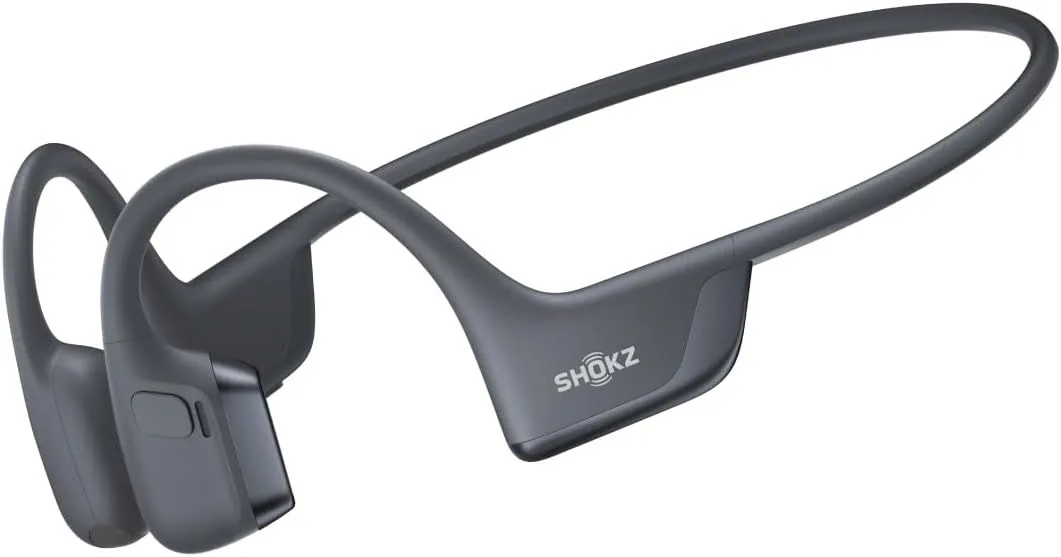
The Shokz OpenRun Pro 2 is the first bone conduction headphone that does not require a major audio compromise. Its DualPitch technology pairs a traditional bone conduction transducer with a dedicated air conduction driver for bass frequencies — a dual-driver approach no competitor has replicated. SoundGuys called it "the most impressive bass from any bone conduction headphone." Tom's Guide rated it 4.5/5 and noted the bass improvement transforms the listening experience from "acceptable background audio" to "music you actually enjoy." For runners, cyclists, and hikers who have historically tolerated thin, trebly audio in exchange for ambient awareness, the upgrade is immediately noticeable.
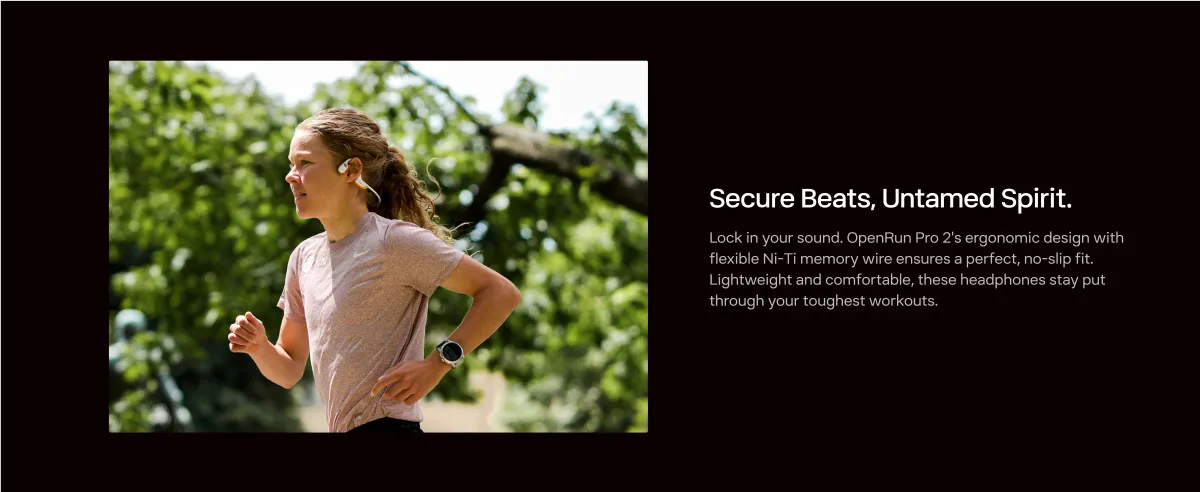
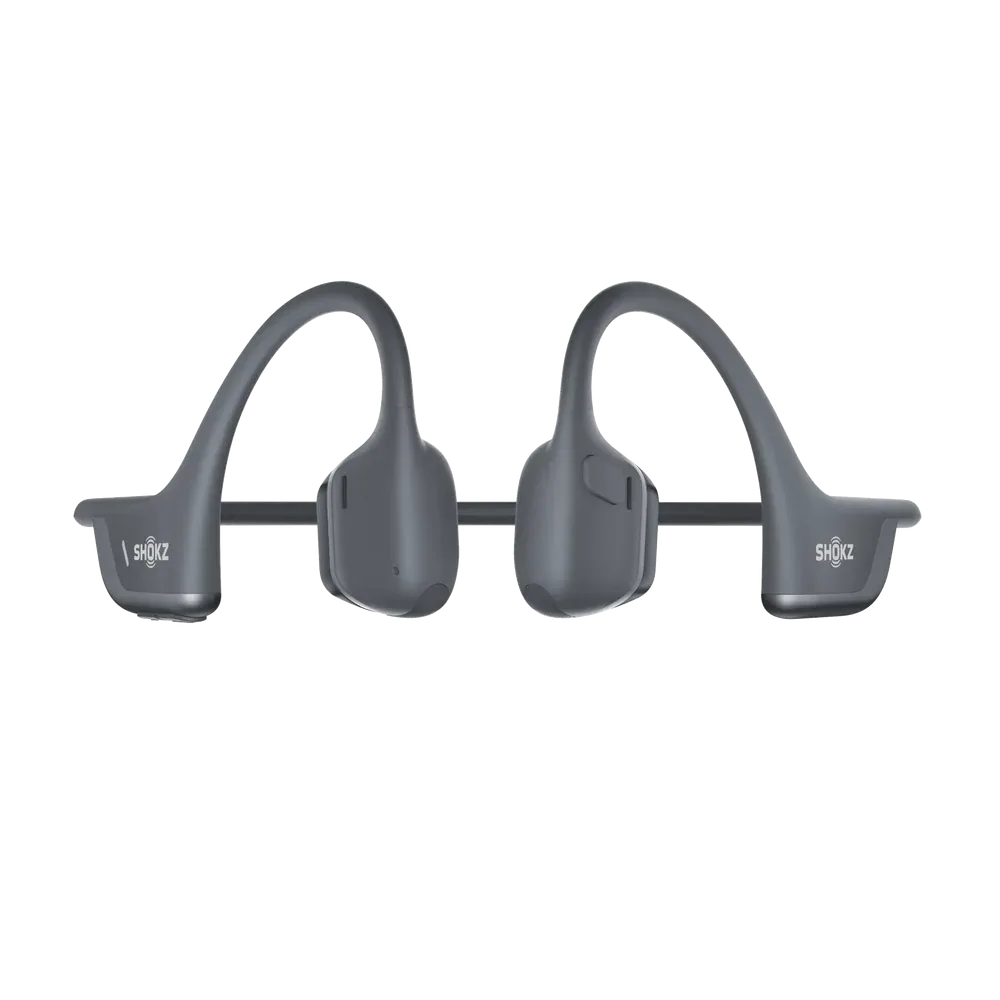
Weight is where the Shokz OpenRun Pro 2 separates from every in-ear alternative. At approximately 29 grams, it is lighter than most single wireless earbuds in their charging case. The titanium wraparound band sits behind the head and distributes pressure across the temples and behind the ears — no ear canal pressure, no silicone tip fatigue, no wing tip soreness after extended sessions. Multiple ultramarathon runners have confirmed wear comfort beyond 6 hours with zero hotspots. The 12-hour battery outlasts every sport earbud on the market and covers even the longest training days without a mid-session charge.
The USB-C upgrade from the proprietary 2-pin connector on previous models eliminates a genuine frustration. Previous Shokz owners carried a dedicated cable that was easy to lose and impossible to replace quickly. USB-C means any modern phone charger works. Bluetooth 5.4 delivers stable connections during GPS-heavy outdoor runs where older Bluetooth versions occasionally dropped. IP55 water resistance covers sweat and light rain — adequate for all land-based athletic use, though pool swimmers need the dedicated OpenSwim model with IP68 and onboard storage.
Where the Shokz OpenRun Pro 2 falls short: wind noise. The air conduction bass driver that improves music quality is susceptible to wind interference during outdoor runs and cycling above moderate speeds. Podcast and audiobook listeners report that wind gusts render speech unintelligible until conditions calm. At moderate-to-high volume, sound leaks to people within arm's reach — a non-issue outdoors but problematic in quiet gyms or shared indoor spaces. The codec support is limited to AAC and SBC with no LDAC or aptX, which caps wireless audio quality below what the hardware can technically deliver. For outdoor athletes who prioritize safety and comfort above audiophile-grade sound, none of these limitations change the calculus. The Shokz OpenRun Pro 2 is the definitive bone conduction headphone for serious athletic use.
Read our full analysis for detailed DualPitch testing, wind noise measurements, and long-distance running comfort data.
Check Price on Amazon
Our #1 pick: The Shokz OpenRun Pro 2 delivers DualPitch bass, 12-hour battery, and 29-gram comfort for any outdoor athlete.
Check Price on Amazon#2: Beats Fit Pro — Locked-In Fit for Intense Training
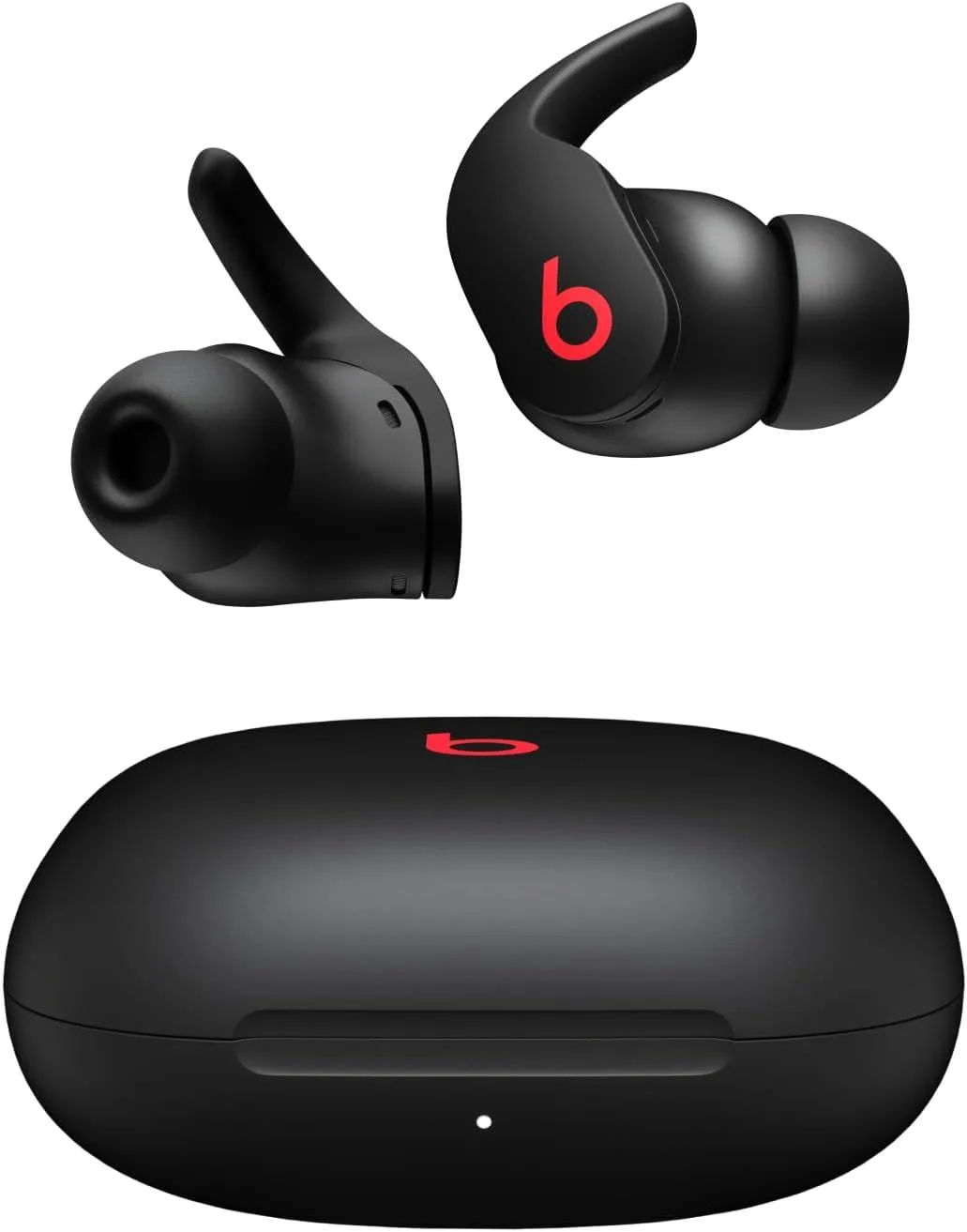
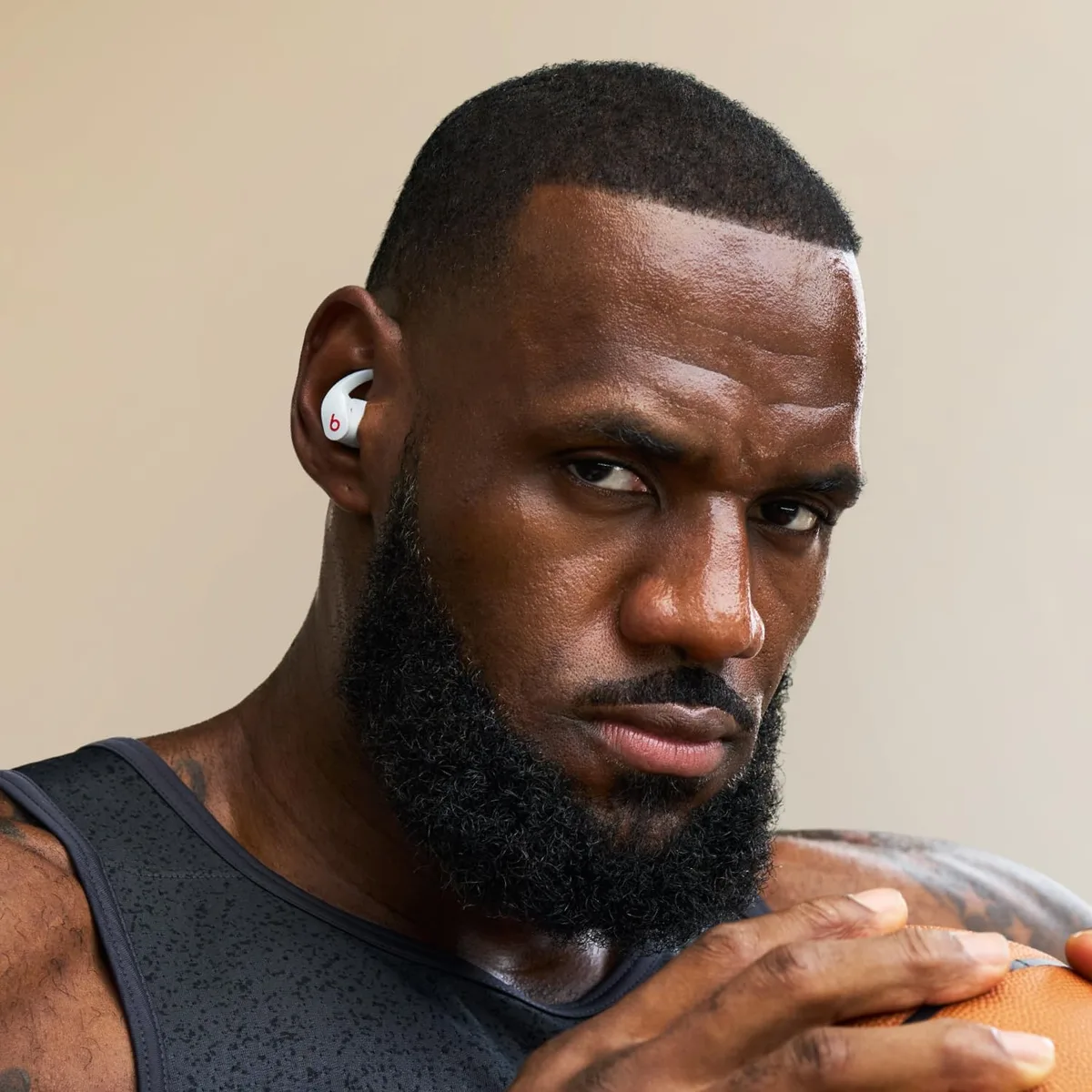
The Beats Fit Pro solves the one problem that derails most earbuds during exercise: they fall out. The flexible silicone wing tip hooks into the outer ear cartilage and applies constant light pressure that keeps each earbud seated through box jumps, burpees, sprints, and overhead movements. Tom's Guide called them "Apple's best workout headphones." Pocket-lint described them as "AirPods Pro for workouts." Multiple reviewers confirmed the earbuds stayed locked in during 3-hour runs and high-intensity interval sessions where standard ear tips failed. For athletes whose primary frustration is mid-set earbud adjustment, the wing tip design is the fix.
Unlike the bone conduction approach of the #1 pick, the Beats Fit Pro delivers in-ear sound quality with Apple's H1 chip processing. Adaptive ANC blocks gym noise — clanking weights, treadmill motors, group class music — while Transparency mode lets ambient sound through when you need awareness between sets or during outdoor running segments. The ability to switch between isolation and awareness within the same workout is something bone conduction headphones cannot match. SoundGuys praised the audio as "exceptional for a sporty model" with the full frequency range that bone conduction physically cannot reproduce.
IPX4 sweat resistance is confirmed adequate for intense workouts with no widespread reports of moisture-related failures. The 6-hour battery with ANC on (independently measured at 6 hours 22 minutes by RTINGS) covers most training sessions, though all-day athletes or those doing back-to-back classes will need the charging case mid-day. The case provides 24 total hours of charge but notably lacks wireless charging — an omission that more expensive competitors and even some cheaper alternatives include. At the current price tier, the absence of wireless charging is the most frequent complaint in owner reviews.
The wing tip comfort ceiling deserves honest mention. That constant outward pressure that keeps the earbuds secure during a 60-minute workout becomes noticeable discomfort for a subset of users during sessions exceeding 2-3 hours. Ear shape and cartilage firmness vary — some runners report no issues past 3 hours, while others need to remove and re-seat the tips after 90 minutes. If your training sessions regularly exceed 2 hours, the Shokz OpenRun Pro 2 at #1 offers superior long-session comfort because it never enters the ear canal at all. Apple ecosystem integration is strong (one-tap pairing, automatic device switching, Find My support), but Android users lose some features and the companion app experience is more limited.
Read our detailed breakdown for wing tip comfort testing, ANC performance in gym environments, and battery longevity data across workout types.
Check Price on AmazonHow We Chose
Every product on this list was evaluated against five weighted criteria specific to athletic use: fit security during vigorous movement (30%), durability and water resistance (25%), sound quality relative to design type (20%), comfort during sessions exceeding 90 minutes (15%), and value at current street pricing (10%). We weighted fit security highest because a headphone that shifts or falls during exercise fails its primary purpose regardless of how it sounds.
Data sources include measured audio performance and fit testing from RTINGS, long-form expert reviews from SoundGuys, Tom's Guide, TechRadar, Pocket-lint, and Gadget Flow, plus real owner complaint data mined from Amazon reviews (40,000+ combined across both products), Reddit fitness communities, running forums, and long-term athletic user reports. We specifically sought out ultramarathon and triathlon communities where gear is tested under extreme conditions — training runs over 4 hours, multi-sport transitions, and heavy-sweat environments that expose durability weaknesses invisible in short-term reviews.
One deliberate scope note: this roundup covers headphones designed for athletic use where fit security and sweat resistance are primary requirements. For headphones where noise cancellation is the priority and exercise is secondary, see our best ANC earbuds roundup which covers commute-first models that happen to have sport features. For workout-specific picks across gym, running, and cycling, see our headphones for working out guide. Runners who want road safety and race day picks should see our running-specific headphone guide.
Buying Guide: What to Look For
Bone Conduction vs In-Ear for Exercise: The Core Decision
This is the first decision, and it narrows your options immediately. Bone conduction headphones like the Shokz OpenRun Pro 2 vibrate the cheekbones to deliver sound without entering or covering the ear canal. You hear music and your surroundings simultaneously — cars, cyclists, trail hazards, gym staff. In-ear sport earbuds like the Beats Fit Pro seal the ear canal and use microphones to simulate ambient awareness through transparency modes. The difference: bone conduction ambient awareness is always on and physically cannot be interrupted by software glitches or processing delay. Transparency mode is electronically mediated and adds a few milliseconds of latency to external sounds. For road running and cycling where reaction time to traffic matters, bone conduction provides a genuine safety margin. Our bone conduction vs open-ear explainer covers the technical differences in depth. For gym use where ambient noise is a distraction rather than a safety factor, in-ear with ANC is the better choice.
Water Resistance Ratings: What IP Codes Actually Mean
IP55 (the Shokz OpenRun Pro 2) means protection against low-pressure water jets from any direction and limited dust ingress. Sweat, rain, and splashes are covered. Submersion is not. IPX4 (the Beats Fit Pro) protects against splashing water from any direction — the minimum viable rating for sport use. Neither rating covers pool swimming, ocean use, or direct high-pressure water exposure. For swimming, you need IP68 with onboard storage (Bluetooth does not transmit through water). The practical difference between IP55 and IPX4 for gym and outdoor running use is minimal — both handle heavy sweat and caught-in-the-rain scenarios without issue.
Fit Mechanisms: Band vs Wing Tip vs Standard Ear Tip
Three retention approaches exist for sport headphones, each with distinct comfort and security profiles. Wraparound bands (the Shokz OpenRun Pro 2) distribute weight across the back of the head and rest on the temples — zero ear canal contact, zero pressure inside the ear, and no chance of falling out during any movement. Wing tips (the Beats Fit Pro) use a flexible silicone fin that hooks into the concha of the outer ear, adding rotational stability that standard ear tips lack. Standard silicone ear tips (most non-sport earbuds) rely on canal friction alone and fail for 20-30% of ear shapes during vigorous exercise. If standard earbuds have never stayed in your ears during a run, both products on this list solve that problem through different mechanisms. Our OpenRun Pro 2 review covers the biomechanics of the titanium band fit in depth.
Sound Quality Expectations by Design Type
Be realistic about what each technology delivers. In-ear earbuds with a sealed canal and custom drivers produce the fullest sound with deep bass, wide stereo imaging, and the complete frequency range that music was mixed for. Bone conduction sacrifices bass depth and maximum volume because vibrating cheekbones is physically less efficient than moving air in a sealed canal. The Shokz OpenRun Pro 2 with DualPitch narrows that gap more than any previous bone conduction model, but the gap still exists. If sound quality is your top criterion and you train exclusively indoors, the Beats Fit Pro delivers better audio. If comfort, safety, and not having anything in your ear canal matters more, the audio compromise of bone conduction is a deliberate and worthwhile choice.
Battery Life in Athletic Context
Battery numbers need athletic context. A 12-hour rating on the Shokz OpenRun Pro 2 covers every conceivable land-based training day — marathon training runs, century cycling rides, multi-hour hiking sessions — on a single charge. A 6-hour rating on the Beats Fit Pro covers most individual workouts but requires the charging case for double sessions or all-day athletic events. The charging case adds 18 hours for the Beats, but you need to carry it and pause to recharge. Real-world battery under athletic conditions (higher volume to overcome wind and gym noise, GPS-heavy Bluetooth connections) runs 10-15% below manufacturer claims. Plan accordingly for race-day and event use.
Ambient Awareness: Physical vs Electronic
This distinction matters more for athletes than any other headphone buyer. Bone conduction delivers ambient awareness as a physical property — sound reaches your inner ear through the cheekbone while your ear canals remain completely open to the environment. There is no processing delay, no microphone dependency, and no battery state that can disable it. You hear a car horn at the same instant you would without headphones. Electronic transparency modes (like the Beats Fit Pro's Transparency mode) use external microphones to capture ambient sound and play it through the drivers alongside your music. The result is functional but not identical — a measurable processing delay of 5-15 milliseconds exists, microphone wind noise can distort the ambient feed, and the system consumes additional battery. For urban road running where a split-second reaction to a turning vehicle matters, bone conduction provides an irreducible safety advantage. For gym environments where ambient awareness is a convenience rather than a survival mechanism, electronic transparency is more than adequate.
Charging Habits and Athletic Routine
Battery life should be evaluated against your actual training schedule, not an abstract number. If you train once daily for 60-90 minutes, both picks on this list handle that without mid-week charging anxiety. The Shokz OpenRun Pro 2 at 12 hours covers approximately 8-10 training sessions before needing a charge. The Beats Fit Pro at 6 hours covers 4-5 sessions, with the charging case extending total capacity to 24 hours across multiple recharges. The difference matters for multi-day events, camping trips, and travel scenarios where USB-C access is limited. Quick charge capabilities also differ: the Shokz OpenRun Pro 2 delivers 2.5 hours of playback from a 5-minute charge, while the Beats Fit Pro gets 1 hour from 5 minutes in the case. For race-day scenarios where you forgot to charge the night before, both offer enough quick-charge runway to cover the event.
Who Should Buy Which Pick
Road runners and cyclists: the Shokz OpenRun Pro 2 at #1 is the clear winner and our top pick. Ambient awareness is a safety requirement, not a luxury, when sharing roads with vehicles. The 29-gram weight and wraparound band deliver comfort that no in-ear earbud matches over distances exceeding 10 kilometers. Trail runners benefit similarly — hearing approaching mountain bikers and wildlife is a practical concern, not a theoretical one. Hikers and outdoor adventurers who spend extended hours on trails also benefit from bone conduction — the open-ear design prevents the ear canal moisture buildup that causes discomfort and infection risk during hot-weather hikes exceeding 3 hours.
Gym athletes, CrossFit practitioners, and HIIT devotees: the Beats Fit Pro at #2 is built for your environment. The wing tip stays locked during every movement pattern, ANC blocks the gym soundtrack you did not choose, and in-ear sound quality delivers the bass and punch that motivates high-effort training. The 6-hour battery covers any standard training session. If you regularly do both outdoor running and gym work, consider owning both — they solve different problems and the combined cost of the two is less than a single premium over-ear headphone.
Multi-sport athletes and triathletes face the most complex decision. Running segments favor bone conduction for safety. Cycling segments at speed amplify the wind noise weakness of bone conduction but also make transparency mode unreliable on in-ear models. Gym segments favor sealed earbuds with ANC for focus. No single headphone optimizes every training modality. The Shokz OpenRun Pro 2 covers the widest range of outdoor activities with acceptable performance in the gym, making it the better single-headphone choice for athletes who train across multiple disciplines. The Fit Pro review covers gym-specific testing for athletes who train primarily indoors.
Durability Under Athletic Conditions
Sport headphones endure conditions that office and commute headphones never face: repeated bending, salt-laden sweat, temperature swings from cold morning runs to hot afternoon gym sessions, and the mechanical stress of being shoved into gym bags alongside shoes and water bottles. The Shokz OpenRun Pro 2's titanium band is engineered for this — owners report bending the band flat repeatedly with no structural fatigue after months of daily use. The Beats Fit Pro's wing tips are a potential wear point; the silicone wings maintain their shape through heavy use, but the charging case hinge is the most commonly reported failure point in long-term owner reviews. For either product, storing in a protective case rather than loose in a bag extends lifespan by preventing connector damage and surface scratches. Cleaning after sweat-heavy sessions also matters — salt residue from sweat corrodes charging contacts and degrades silicone over time. A quick wipe with a damp cloth after each workout prevents buildup that shortens the usable life of both products.
Sport Headphone Questions Answered
Are bone conduction headphones safe for everyday use?
Yes. Bone conduction headphones like the Shokz OpenRun Pro 2 bypass the eardrum entirely by vibrating the cheekbones, which multiple audiologists have confirmed reduces the risk of noise-induced hearing damage compared to in-ear models at equivalent perceived volume. The open-ear design also eliminates occlusion — that plugged-up sensation that causes some listeners to increase volume to compensate. For runners and cyclists, the safety advantage extends beyond hearing health: full ambient awareness means you hear approaching vehicles, other pedestrians, and race marshal instructions without removing anything from your ears.
Do sport earbuds fall out during high-intensity workouts?
It depends entirely on the retention mechanism. Wing tip designs like the Beats Fit Pro use a flexible silicone fin that hooks into the outer ear cartilage — multiple reviewers confirm they stay locked in during HIIT sessions, box jumps, and 3-hour runs. Standard ear tips without a wing or hook rely solely on friction in the ear canal, which fails for roughly 20-30% of ear shapes during vigorous movement. Bone conduction headphones avoid the problem altogether by wrapping around the back of the head with a titanium band. If you have tried and failed with standard earbuds during exercise, both products on this list solve the retention problem through different approaches.
Can you swim with bone conduction headphones?
The Shokz OpenRun Pro 2 carries an IP55 rating, which covers sweat and light rain but not submersion. Pool swimmers need the Shokz OpenSwim Pro, a dedicated swimming model with an IP68 rating and onboard MP3 storage (Bluetooth does not transmit through water). The Beats Fit Pro at IPX4 handles sweat and light splashes but is also not suitable for swimming. For any water activity beyond surface-level sweat, a dedicated swim headphone with internal storage is the only reliable option.
What is the difference between bone conduction and open-ear headphones?
Bone conduction headphones vibrate the cheekbone to transmit sound directly to the inner ear, bypassing the eardrum entirely. Open-ear headphones use small speakers positioned near — but not inside — the ear canal, delivering sound through air conduction like a traditional speaker. Both designs leave the ear canal open for ambient awareness. Bone conduction typically has weaker bass response and lower max volume, but better performance in noisy environments because the sound path bypasses external noise interference. Open-ear air conduction models sound more natural but leak more audio to bystanders. For our <a href="/bone-conduction-vs-open-ear/">full technology breakdown</a>, see the dedicated explainer.
How long do sport headphone batteries last during real workouts?
Manufacturer claims assume moderate volume and stable Bluetooth connections. In real-world athletic use with higher volume (to overcome wind and ambient noise) and GPS-heavy phone connections, expect 10-15% less than advertised. The Shokz OpenRun Pro 2 at 12 hours rated typically delivers 10-11 hours during outdoor runs — enough for an ultramarathon. The Beats Fit Pro at 6 hours with ANC delivers roughly 5.5 hours in practice, which covers most gym sessions and training runs but requires mid-day charging for all-day athletic use. The case adds 18 additional hours of charge for the Beats.
Track Sport & Open-Ear Picks
We'll let you know when our picks for this category change.
Only when something changes. Unsubscribe anytime.
Our Top Pick
The Shokz OpenRun Pro 2 is our #1 recommendation — safety-conscious runners, cyclists, and hikers who need ambient awareness while listening to music.
Check Price: Shokz OpenRun Pro 2