Bone Conduction vs Open-Ear Headphones: Which Technology Fits Your Activity

Two headphone technologies promise the same thing — music without blocking your ears — through fundamentally different engineering. Bone conduction transmits audio by vibrating the cheekbones, bypassing the eardrum entirely. Open-ear air conduction positions small speakers near the ear canal opening, directing sound inward without creating a seal. Both preserve ambient awareness. Both let runners hear traffic and gym athletes hear spotters. The mechanisms and the resulting audio experience differ enough that the right pick depends on where and how you train.
This page breaks down each technology at the mechanical level, compares sound quality and comfort across real-world conditions, and maps each approach to the activities where it performs best. If you already know which design interests you and want ranked product picks, the sport headphone roundup covers the current leaders in both categories.
Technology Foundations and Definitions
What Is Bone Conduction
Bone conduction headphones sit on the cheekbones and vibrate the temporal bone to transmit sound waves directly to the cochlea — bypassing the eardrum entirely. Sound reaches the auditory nerve through solid bone rather than through air pushed into the ear canal, which is how conventional speakers and earbuds work.
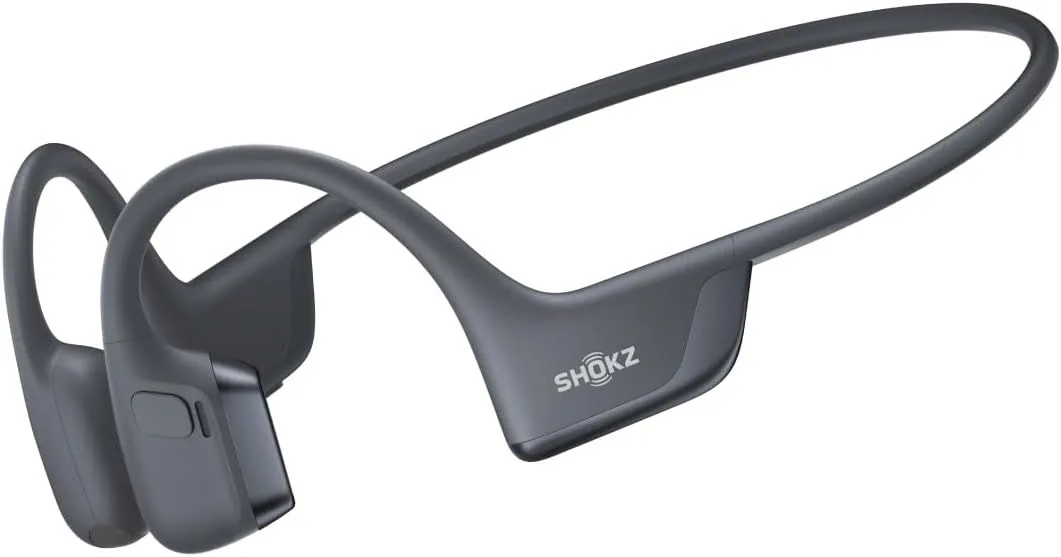
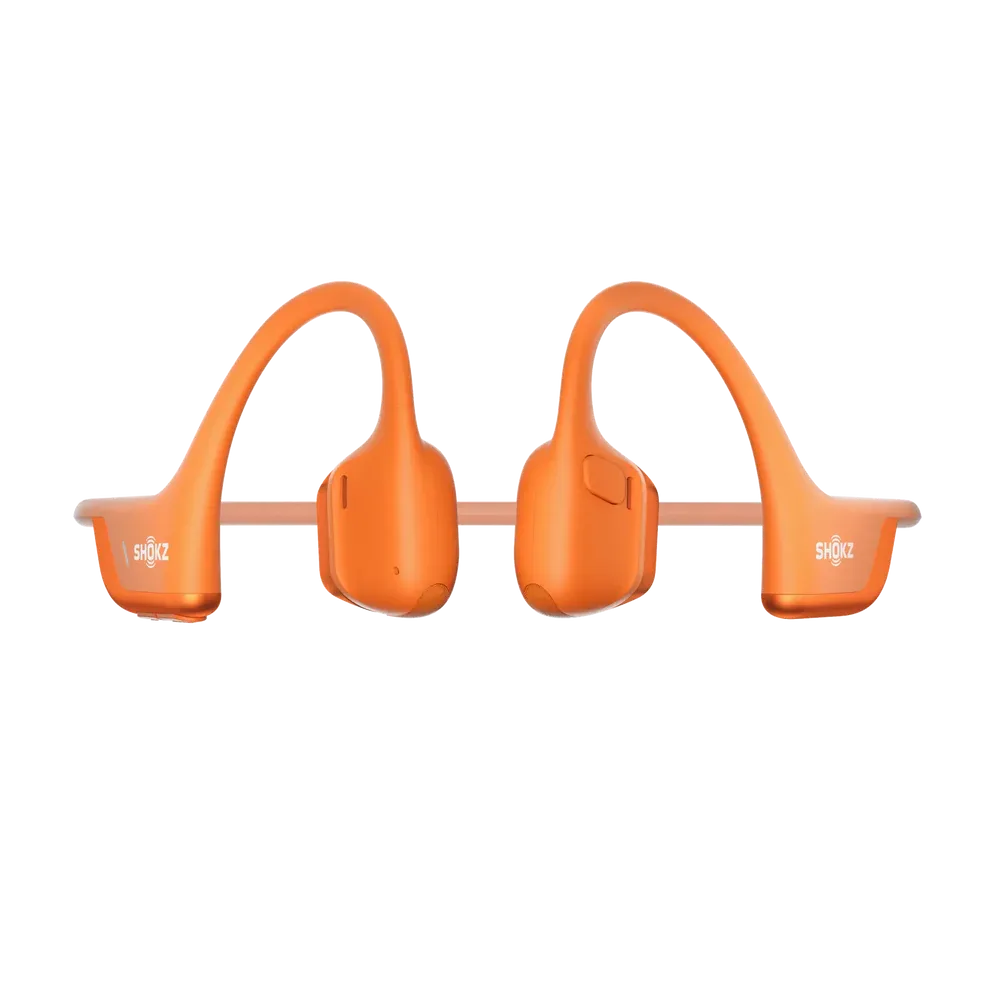
The Shokz OpenRun Pro 2 represents the current state of the art. Its DualPitch driver technology pairs a bone conduction transducer with a secondary air conduction driver tuned specifically for bass frequencies. Previous generations relied on a single transducer per side, which produced thin, trebly audio that most listeners tolerated rather than enjoyed. The dual-driver approach fills in the low end that pure bone conduction struggles to reproduce. SoundGuys called it the most impressive bass from any bone conduction headphone — a concrete benchmark shift for a technology that historically sacrificed audio quality for situational awareness.
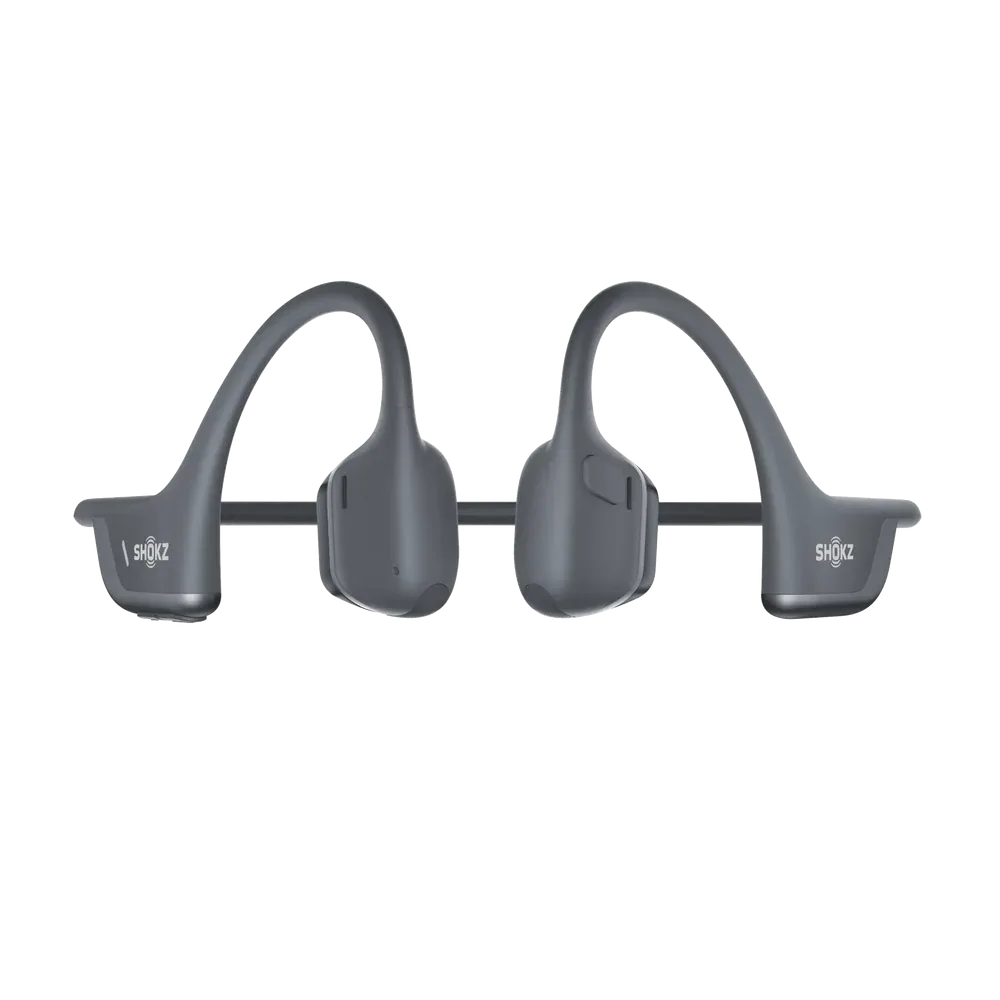
The physical design is a titanium wraparound band that hooks behind the head, with transducer pads resting on the cheekbones just forward of the ears. At roughly 29 grams, the entire assembly weighs less than a single wireless earbud inside its charging case. Nothing enters the ear canal. Nothing covers the ear opening. The ears remain completely exposed to the environment at all times — not through a microphone-mediated transparency mode that can be toggled off, but as an inherent physical property of the design.
IP55 water resistance on the Shokz OpenRun Pro 2 covers sweat and rain. Bluetooth 5.4 maintains stable connections during GPS-heavy outdoor runs. Battery life reaches 12 hours rated — enough for ultramarathon training days on a single charge. USB-C charging replaced the proprietary 2-pin connector from previous models, eliminating the most common hardware complaint in the Shokz product line.
What Is Open-Ear Air Conduction
Open-ear air conduction headphones use miniaturized speakers positioned near the ear canal entrance to push sound through air into the ear — the same physical mechanism as any traditional speaker, scaled down and angled to avoid sealing the canal. The ear remains open to ambient sound because the speaker sits alongside the ear opening rather than plugging into it.
The distinction from bone conduction is the transmission medium. Air conduction moves sound through air; bone conduction moves sound through bone. Air is the medium that all conventional audio equipment uses, which means open-ear air conduction speakers reproduce the full frequency range — including bass — more naturally than bone conduction transducers. The Beats Fit Pro uses this principle with its wing tip design, delivering in-ear-grade audio through drivers that sit inside the ear canal with a silicone seal, combined with a transparency mode that electronically lets ambient sound through when activated.
True open-ear designs that physically leave the canal unblocked — clip-on speakers, ear-hook models, and temple-mounted drivers — produce fuller sound than bone conduction but leak substantially more audio to bystanders. The speaker pushes air outward as well as inward, and without a sealed ear canal to contain the sound, anyone within 1-2 meters in a quiet room can hear what you are listening to. Outdoors with ambient noise, leakage is less noticeable, but indoor gym environments with quiet moments between sets can expose the problem.
Detailed Audio Performance Analysis
How Sound Quality Compares
Bone conduction faces a physics constraint that no amount of driver engineering fully overcomes: vibrating bone is less efficient at producing low-frequency sound pressure than moving air in a sealed chamber. Bass requires large pressure differentials, and the cheekbone simply cannot flex enough to reproduce the sub-bass thump that a sealed earbud driver delivers directly against the eardrum. The DualPitch system in the Shokz OpenRun Pro 2 addresses this by adding an air conduction bass driver alongside the bone conduction transducer — a hybrid approach that SoundGuys and Tom's Guide both noted as a genuine step forward. Bass is present and audible, where previous bone conduction models produced frequencies below 100 Hz that you felt more as facial vibration than heard as musical bass.
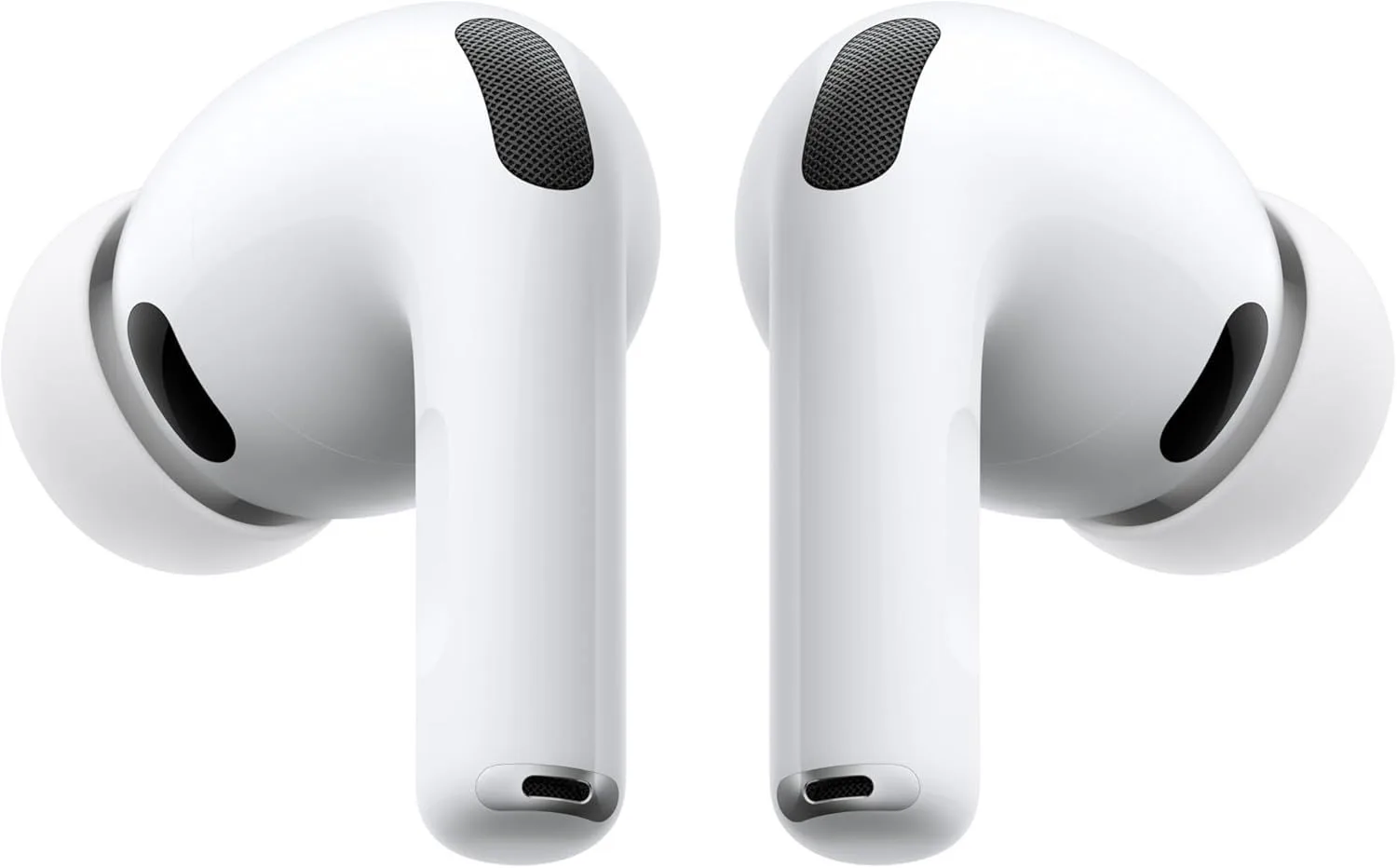
Open-ear air conduction and sealed earbuds share the same fundamental mechanism — pushing air with a speaker driver — so the gap in frequency response is smaller. The Beats Fit Pro delivers bass depth and stereo imaging that bone conduction cannot match, because the driver sits inside a partially sealed canal with direct air coupling to the eardrum. The Apple AirPods Pro 3 pushes this further with Apple's H2 chip processing and Adaptive Audio, which blends noise cancellation with transparency dynamically. The Samsung Galaxy Buds3 Pro offers comparable sealed-canal audio with 360 Audio spatial processing. All three sealed earbuds reproduce the full 20 Hz to 20 kHz range that bone conduction compresses into a narrower effective band.
Mid-range clarity — the band where vocals, acoustic instruments, and podcast speech live — is where bone conduction has closed the gap most. The Shokz OpenRun Pro 2 reproduces speech and vocal music with enough articulation for long podcast sessions and audiobook listening. The improvement over previous Shokz generations is audible within seconds of switching. For outdoor athletes whose audio diet is 60% podcasts and 40% music, the mid-range quality is strong enough that the bass limitation becomes secondary.
Stereo separation tells a similar story. Sealed earbuds position independent drivers inside each ear canal, creating a wide soundstage with distinct left-right imaging. Bone conduction transducers vibrate the same skull, and because bone conducts vibration broadly rather than channeling it to a single point, the stereo image collapses toward the center. Listeners accustomed to sealed earbuds notice this immediately on tracks with hard-panned instruments — a guitar panned fully left on the Apple AirPods Pro 3 sounds definitively left, while the same track on bone conduction feels closer to center-left. For spoken content this is irrelevant. For music mixing or critical listening, the narrower soundstage is a real limitation that dual-driver designs have not yet solved.
Frequency response also shifts with fit pressure. Bone conduction transducers need firm contact with the cheekbone to transmit efficiently. A loose fit — common when wearing the band over thick hair or a beanie — reduces bass and overall volume noticeably. Open-ear air conduction speakers are less sensitive to exact positioning because they push sound through air rather than requiring mechanical coupling with bone. This makes air conduction open-ear models more forgiving of head shape variation and accessory layering during cold-weather training.
Water Resistance and Sport Durability
Water resistance ratings diverge sharply between the two categories. The Shokz OpenRun Pro 2 carries IP55 — protected against low-pressure water jets from any direction and limited dust ingress. That covers heavy rain, sweat from a two-hour summer run, and a rinse under the tap after a muddy trail session. It does not cover submersion. The Shokz OpenSwim Pro steps up to IP68 with full submersion capability for pool swimming, but that model trades Bluetooth streaming for onboard MP3 storage because Bluetooth radio signals cannot penetrate water.
Most sport-focused air conduction earbuds sit at IPX4 — splash-proof from any angle, but not jet-resistant and not dust-rated. The "X" in IPX4 means no dust testing was performed, which matters for trail runners and gravel cyclists who train in dry, dusty conditions. Fine particulate can work into driver housings and degrade sound quality over months. The IP55 rating on the Shokz OpenRun Pro 2 includes the dust component, giving it a measurable advantage in dirty outdoor environments.
Long-term durability follows the mechanical simplicity of each design. Bone conduction headphones have no moving parts that contact the ear — no silicone tips to degrade, no hinge mechanisms to loosen, no charging case lid to crack. The titanium band on the Shokz OpenRun Pro 2 flexes thousands of cycles without metal fatigue. The failure mode, when it occurs, is typically battery degradation after 2-3 years of daily charging. True wireless earbuds add failure points: charging case hinges, earbud-to-case contact pins that corrode from sweat residue, and silicone tips that compress and lose grip after 6-12 months of regular use. Replacement tips cost $5-15 and are easy to swap, but the contact pin corrosion issue on charging cases is not user-serviceable.
Phone Call Quality
Call quality depends on two sides: what you hear and what the other person hears. Bone conduction headphones handle the listening side well — voice frequencies sit squarely in the mid-range where bone conduction performs closest to conventional speakers. The caller's voice comes through clearly on the Shokz OpenRun Pro 2, with enough articulation to follow conversation in moderately noisy environments.
The microphone side is where the technologies diverge. Bone conduction headphones place their microphones on the band near the jaw, exposed to wind and ambient noise without any physical barrier. Sealed earbuds benefit from beam-forming microphone arrays positioned inside or directly adjacent to the ear canal, where the ear itself acts as a partial wind shield. The Apple AirPods Pro 3 uses computational voice isolation — machine learning that separates the speaker's voice from background noise in real time. The Shokz OpenRun Pro 2 applies wind-noise reduction algorithms, but outdoor callers on the receiving end consistently report more background noise from bone conduction than from sealed earbuds with advanced voice processing. For athletes who take coaching calls or work calls during outdoor training, the microphone gap is worth factoring in. Indoors or in low-wind conditions, both technologies produce acceptable call clarity.
Fit, Comfort, and Stability
The comfort profiles of these two technologies differ as much as their audio. Bone conduction headphones make zero contact with the ear canal — no silicone tip pressure, no foam insertion, no occlusion effect. The Shokz OpenRun Pro 2 distributes its 29-gram weight across the temples and behind the ears through a titanium band. Multiple ultramarathon runners have confirmed wear comfort past 6 hours without hotspots. Ear canal moisture buildup — a genuine concern during hot-weather exercise lasting more than 2 hours — does not occur because the canal stays open and ventilated.
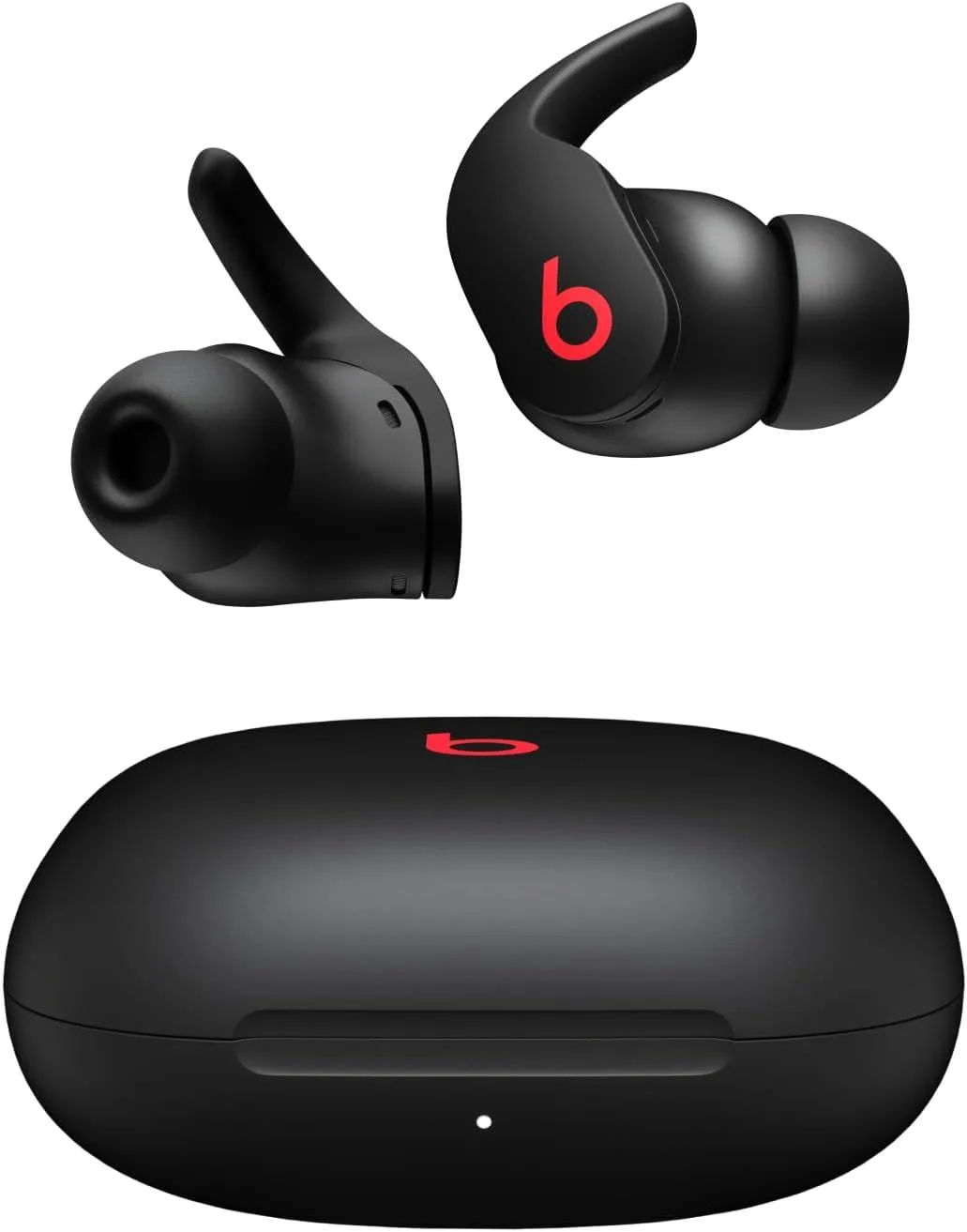
Wing tip earbuds like the Beats Fit Pro use a flexible silicone fin that hooks into the outer ear cartilage, adding rotational stability that standard ear tips lack. The retention is measurably more secure than friction-only designs during high-impact movement — box jumps, burpees, sprints. The cost is sustained pressure on the concha ridge. For workouts under 90 minutes, most users report no discomfort. Beyond 2 hours, a subset of users experience soreness from the constant outward pressure of the wing tip against the cartilage. Ear shape and cartilage firmness vary enough that comfort duration is not predictable without a personal trial.
Stability during movement favors both designs over standard ear tips, which rely solely on ear canal friction and fail for roughly 20-30% of ear shapes during vigorous exercise. The wraparound band of bone conduction headphones physically cannot fall out during any land-based activity. Wing tip earbuds stay locked through high-impact movements that would dislodge conventional tips. For swimming, only bone conduction models with IP68 and onboard storage (like the Shokz OpenSwim Pro) are viable — Bluetooth does not transmit through water.
Activity-Specific Recommendations
The right technology depends more on where you train than on your music preferences. Each activity environment creates specific demands that favor one approach over the other.
Road Running
Bone conduction wins for road running. Ambient awareness is not a preference — it is a safety requirement when sharing roads with vehicles. The Shokz OpenRun Pro 2 delivers music through the cheekbone while both ears remain fully open to traffic sounds, approaching cyclists, and pedestrian signals. The awareness is physical and always-on, with no processing delay and no battery state that can disable it. Transparency modes on sealed earbuds like the Apple AirPods Pro 3 provide functional ambient awareness, but the 5-15 millisecond electronic processing delay and microphone-mediated audio chain introduce a gap that does not exist with bone conduction. For runners who log most of their miles on roads shared with traffic, we recommend bone conduction as the safer choice — it provides an irreducible safety margin. The 29-gram weight and zero ear canal contact also mean less fatigue on long training runs — a meaningful factor for half-marathon and marathon preparation blocks where runs routinely exceed 90 minutes.
Cycling
Both technologies work for cycling, with bone conduction holding an edge in windy conditions. Road and gravel cyclists face sustained wind that degrades both audio quality and transparency mode accuracy on sealed earbuds. Bone conduction headphones are not immune to wind noise — the secondary air conduction driver in the Shokz OpenRun Pro 2 is susceptible to wind interference — but the primary bone conduction pathway remains unaffected because it transmits through solid bone rather than through moving air. At speeds above 25 km/h, wind noise competes with any audio source, but the bone conduction signal maintains more intelligibility than an air-based speaker fighting the same conditions. For stationary cycling and indoor trainer sessions, the wind advantage disappears and sealed earbuds with ANC become the stronger choice for immersive audio.
Gym and Weight Training
Open-ear and sealed earbuds are the better choice for indoor gym training. The controlled acoustic environment of a gym eliminates the ambient awareness advantages that define bone conduction outdoors. Gym noise — clanking plates, treadmill motors, group class music — is distraction, not hazard. The Beats Fit Pro with ANC blocks that distraction while the wing tip retention keeps earbuds locked through overhead presses, pull-ups, and dynamic movements. The Samsung Galaxy Buds3 Pro at IP57 provides the strongest water resistance rating in the sealed earbud category, handling heavy sweat without concern. Audio quality matters more indoors where wind is absent and ambient noise is lower. Bass-heavy training playlists sound noticeably fuller through sealed drivers than through bone conduction transducers. For athletes who want music that drives high-effort sets, the difference is motivation-level. Read the full wing tip retention analysis for gym-specific performance data.
Walking and Casual Use
Walking is the most forgiving activity for both technologies because the movement intensity is low, sweat is minimal, and ambient awareness is desirable but not safety-critical. Bone conduction provides a more natural listening experience for walkers because the open ears maintain full spatial awareness of the surroundings — footsteps, conversation, birdsong — while layering audio on top. Sealed earbuds with transparency mode achieve a similar result, but the electronically mediated ambient feed sounds subtly different from natural hearing. For dog walkers who need to hear their animal and surrounding traffic, bone conduction is the more reliable awareness option. For walkers who prioritize podcast clarity and music quality, sealed earbuds deliver better audio. Neither technology has a decisive advantage for casual walking — personal preference carries more weight than technical superiority in this low-stakes context.
Now That You Know the Difference
The technology decision narrows your product search to a specific set of options. Three directions from here, depending on how close you are to a purchase:
Ready to see ranked picks: The sport and open-ear headphone roundup ranks the top bone conduction and sport earbud options with spec tables, measurement data, and direct links to full reviews.
Need help choosing by form factor: The headphone fit and comfort guide covers over-ear, on-ear, in-ear, and open-ear designs with comfort testing data across extended wear sessions.
Training for a specific sport: The running headphone guide maps picks to road, trail, and race day scenarios — including bone conduction models ranked by safety and comfort for distance runners.
Full product details, DualPitch testing, and wind noise measurements: headphonecurve.com/reviews/shokz-openrun-pro-2/

Frequently Asked Questions
Can you hear traffic with bone conduction headphones?
Yes. Bone conduction headphones leave the ear canal completely open, so environmental sounds — car engines, bicycle bells, pedestrian signals — reach your eardrum through the normal air pathway with zero electronic mediation. The Shokz OpenRun Pro 2 delivers music through cheekbone vibration while your ears remain fully exposed to the street. This is the primary reason road runners and urban cyclists choose bone conduction over sealed earbuds with transparency modes, which add a measurable 5-15 millisecond processing delay to ambient sounds.
Do open-ear headphones leak sound to people nearby?
All open-ear designs leak more audio than sealed earbuds. Bone conduction models leak less than air conduction open-ear designs because the transducer vibrates bone rather than pushing air outward. At moderate volume, the Shokz OpenRun Pro 2 is audible to someone within arm's reach in a quiet room but inaudible outdoors. Air conduction open-ear headphones are typically audible at 1-2 meters in quiet indoor spaces. For gym use where background noise masks leakage, neither design causes practical problems. In a quiet library or shared office, sealed earbuds are the better choice.
Is bone conduction sound quality good enough for music?
Bone conduction audio has improved substantially with dual-driver designs. The Shokz OpenRun Pro 2 pairs a traditional bone conduction transducer with a dedicated air conduction bass driver — what Shokz calls DualPitch technology. SoundGuys described the bass as the most impressive from any bone conduction headphone. The gap between bone conduction and sealed earbuds has narrowed, but it still exists: bass depth, stereo separation, and maximum volume remain lower than what sealed designs like the Apple AirPods Pro 3 deliver. For spoken content, podcasts, and moderate-volume music during outdoor activity, bone conduction sounds more than adequate. For critical music listening, sealed earbuds win.
Which is better for swimming — bone conduction or open-ear?
Bone conduction is the only viable option for pool swimming. Standard Bluetooth does not transmit through water, so any swimming headphone requires onboard MP3 storage. The Shokz OpenSwim Pro (IP68) is purpose-built for this with 32 GB internal storage. The Shokz OpenRun Pro 2 at IP55 handles sweat and rain but cannot be submerged. No air conduction open-ear headphone currently carries a submersion-safe rating. For land-based athletics where sweat is the primary moisture concern, both IP55 (bone conduction) and IPX4 (most sport earbuds) provide adequate protection.
Are bone conduction headphones safer for hearing than earbuds?
Bone conduction bypasses the eardrum and delivers vibration directly to the cochlea through the cheekbone. Multiple audiologists have confirmed this reduces the risk of noise-induced hearing damage compared to in-ear models at equivalent perceived volume, because the mechanical pathway is less efficient at producing high sound pressure levels. The open-ear design also eliminates occlusion — the plugged-up feeling that causes some listeners to compensate by raising volume. For listeners concerned about long-term hearing health, bone conduction offers a measurable structural advantage over sealed earbuds at the cost of reduced bass depth and maximum loudness.
Get Picks Delivered
One email per week. Honest reviews, no spam.
Only when something changes. Unsubscribe anytime.