How ANC Works: The Technology Behind Noise Cancellation
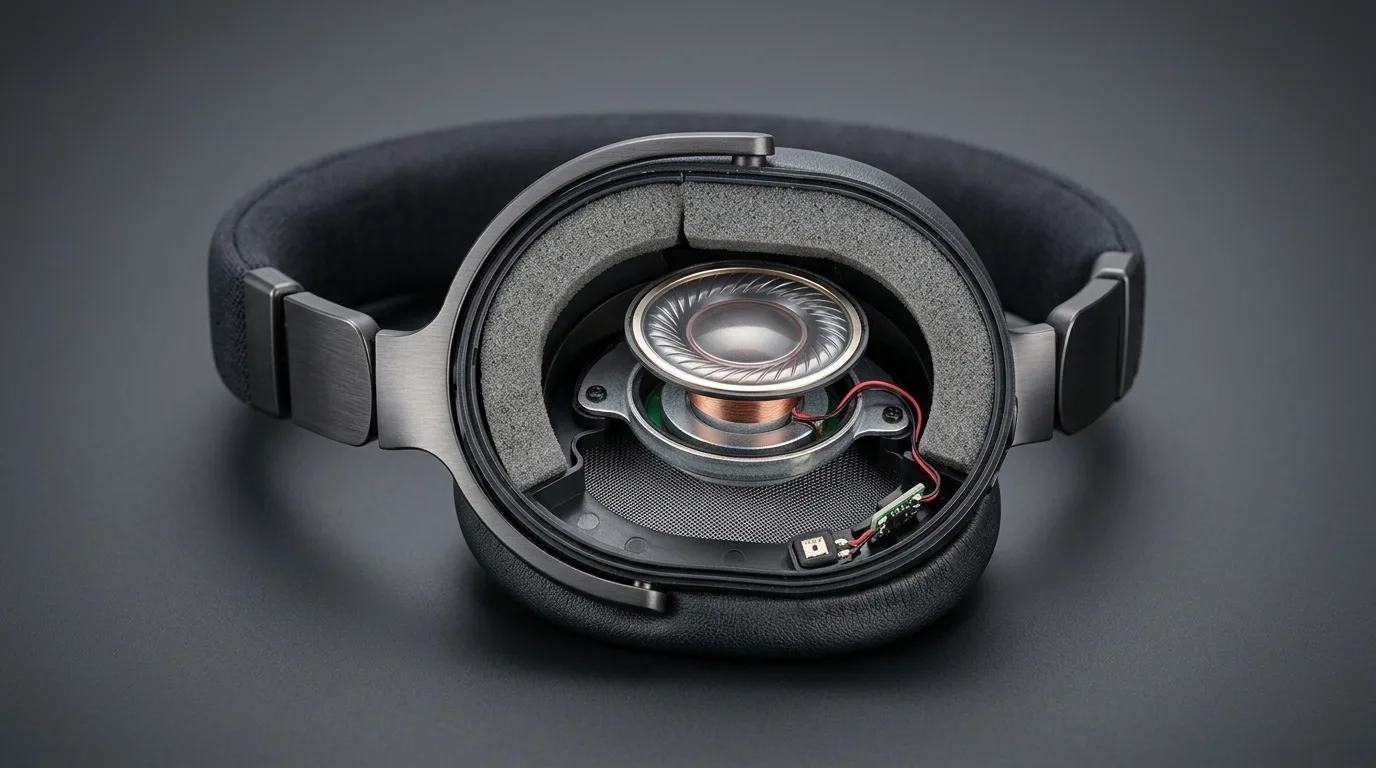
Active noise cancellation uses microphones and digital signal processing to generate an inverse sound wave that reduces ambient noise before it reaches your eardrum. The technology appeared in aviation headsets in the 1980s, migrated to consumer headphones around 2016, and now ships in everything from flagship over-ear models to mid-range wireless earbuds.
This page breaks down the three ANC architectures (feedforward, feedback, hybrid), explains how adaptive algorithms adjust in real time, identifies the frequency ranges where cancellation works well and where it falls short, and covers how ANC affects battery life and audio fidelity. The goal is to give you enough technical grounding to evaluate ANC claims on product spec sheets — without needing an electrical engineering degree to parse them.
ANC Technology Fundamentals
What Is Active Noise Cancellation
Sound travels as pressure waves through air. ANC works by sampling those incoming waves with a microphone, calculating the inverse waveform using a digital signal processor, and playing that inverse through the headphone driver in real time — creating destructive interference that reduces the original sound.
Hybrid ANC outperforms every other architecture available today. Think of it as arithmetic applied to air. If an incoming noise wave has a peak of +1, the ANC system generates a wave with a valley of -1. When the two meet at your eardrum, they sum to zero — silence, or close to it. The accuracy of that math depends on how fast the processor runs, where the microphones sit, and how predictable the noise pattern is. A constant 100 Hz airplane drone is easy to invert. A sudden voice at 2,500 Hz is not.
The frequency range where ANC performs best spans roughly 20 to 1,000 Hz. Below 20 Hz, vibrations are felt more than heard and cancellation provides little perceptible benefit. Above 1,000 Hz, the wavelengths become short enough that tiny timing errors in the inverse wave produce artifacts instead of silence. Passive isolation — the physical seal of an ear cup or ear tip — handles high frequencies far more effectively than active processing. This is why the best noise-cancelling headphones combine both methods: ANC for the bass rumble, physical barriers for the treble.
Feedforward ANC: Outside Microphones
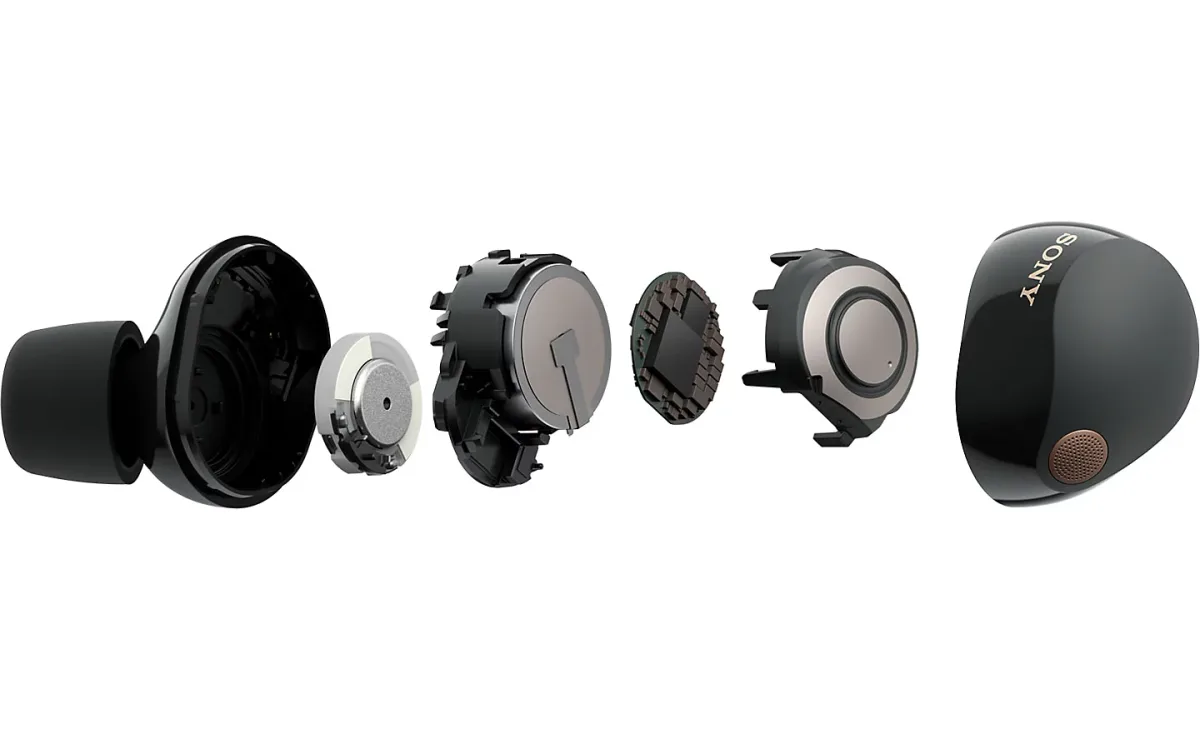
Feedforward systems place microphones on the exterior surface of the ear cup or earbud shell, facing outward toward the noise source. The mic captures ambient sound before it passes through the headphone housing and reaches the ear canal.
And timing is everything.
The advantage is lead time. Because the feedforward mic intercepts noise early in its path, the processor has more milliseconds to compute the inverse waveform. In practice, this lead time ranges from 0.5 to 2 milliseconds depending on the physical distance between the external mic and the driver. For low-frequency sounds with long wavelengths (a 100 Hz wave is 3.4 meters long), that timing margin is generous. The processor can generate an accurate inverse and deliver it before the original wave reaches the ear.
The limitation is location. The external mic sits centimeters away from the ear canal, separated by plastic, foam, and the driver housing. It samples what the noise sounds like outside the headphone — not what actually arrives at the eardrum after passing through the ear cup.
Seal quality determines everything. If the ear cushion seal is imperfect (shifted by jaw movement, glasses frames, or hair), the noise reaching the ear differs from what the mic captured, and the inverse wave misses its target. Feedforward ANC works well between 50 and 700 Hz on most implementations. Budget headphones under the mid-range tier frequently use feedforward-only designs because the hardware cost is lower: one or two external mics and a basic DSP chip.
Feedback ANC: Inside Microphones
Feedback systems place a microphone inside the ear cup, positioned near the driver and facing the ear canal. This mic hears what the listener hears — the combined result of ambient noise that leaked through the housing plus the headphone's own audio output.
The accuracy advantage is substantial. Because the feedback mic measures residual noise at the listening position, the processor can correct for seal imperfections, head shape variation, and ear canal geometry. If noise leaks through a gap near the hinge, the internal mic detects it and the system adjusts. Feedforward systems cannot make this correction because their external mics never see the leak.
The downside is reaction time. Sound has already traveled through the housing and reached the ear cup interior before the feedback mic captures it. The processor must compute and deliver the inverse wave while the original wave is still present — a tighter timing window than feedforward provides.
Speed is non-negotiable. If the processor is too slow, the cancellation arrives late, producing a phase error that can amplify certain frequencies instead of reducing them. This instability manifests as audible ringing or a hollow, tunnel-like coloration. Feedback-only ANC handles frequencies between 30 and 500 Hz effectively on well-tuned implementations, with performance dropping above that range due to timing constraints.
Advanced Hybrid Architecture
Hybrid ANC: Both Sides Working Together
Hybrid ANC combines feedforward and feedback microphones into a single system — external mics for early noise detection, internal mics for correction accuracy. This dual-microphone architecture is the standard in every flagship pair released since 2022.
No contest.
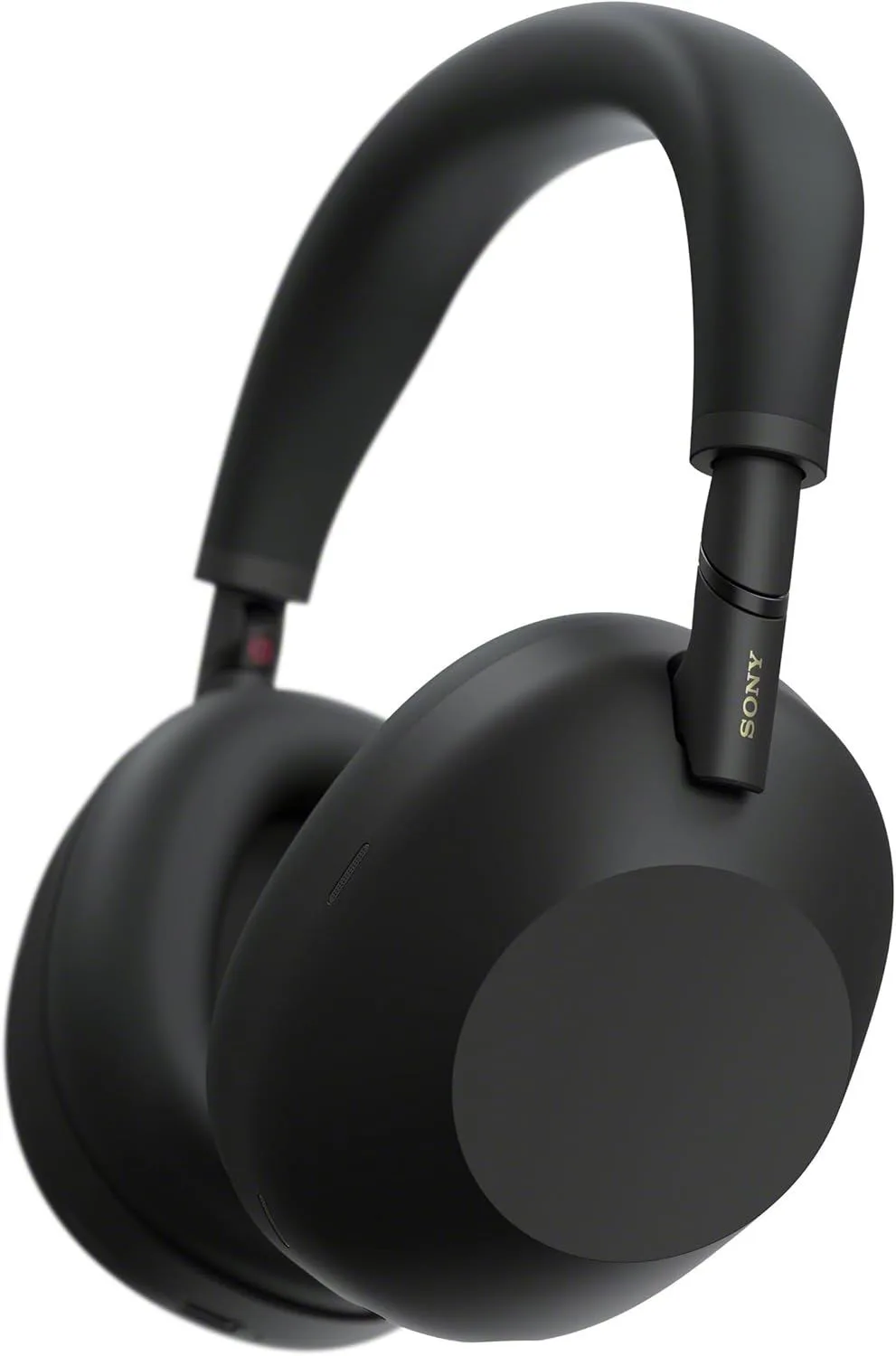
The Sony WH-1000XM6 uses a 12-microphone hybrid array: 8 external feedforward mics distributed around both ear cups, plus 4 internal feedback mics near the drivers. The external mics provide the initial noise sample and give the processor its timing margin. The internal mics verify the cancellation result and send correction data back to the processor in a continuous loop. This feedback loop runs hundreds of times per second, refining the inverse wave with each cycle.
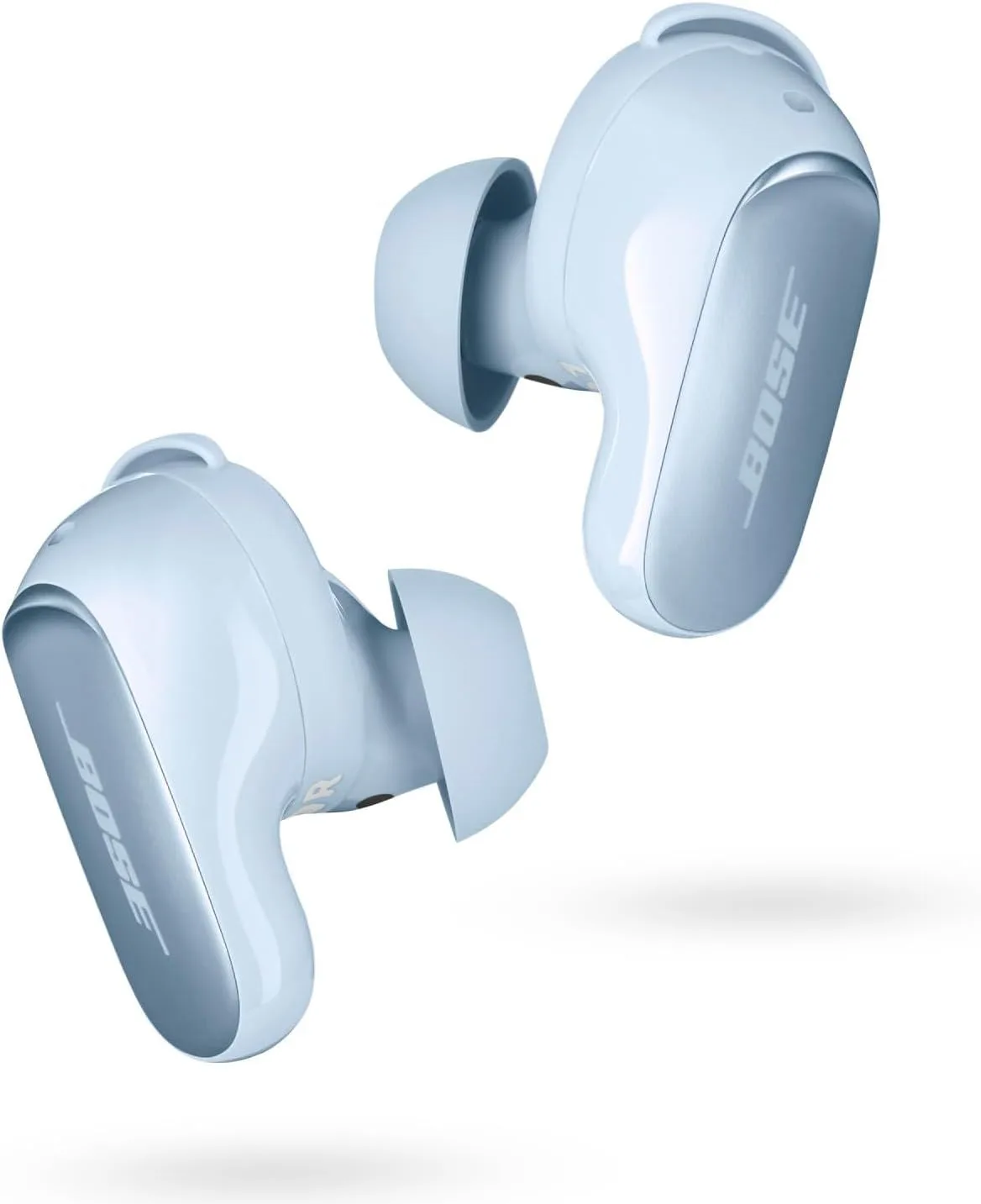
The Bose QuietComfort Ultra achieves comparable cancellation depth with an 8-mic hybrid layout by running proprietary signal processing algorithms that extract more accuracy per microphone. Mic count is not a reliable proxy for ANC depth — the ANC buying guide covers why processing quality matters more than hardware numbers. The effective cancellation range on hybrid systems spans 20 to 1,000 Hz, with peak performance concentrated between 50 and 500 Hz where most environmental drone lives.
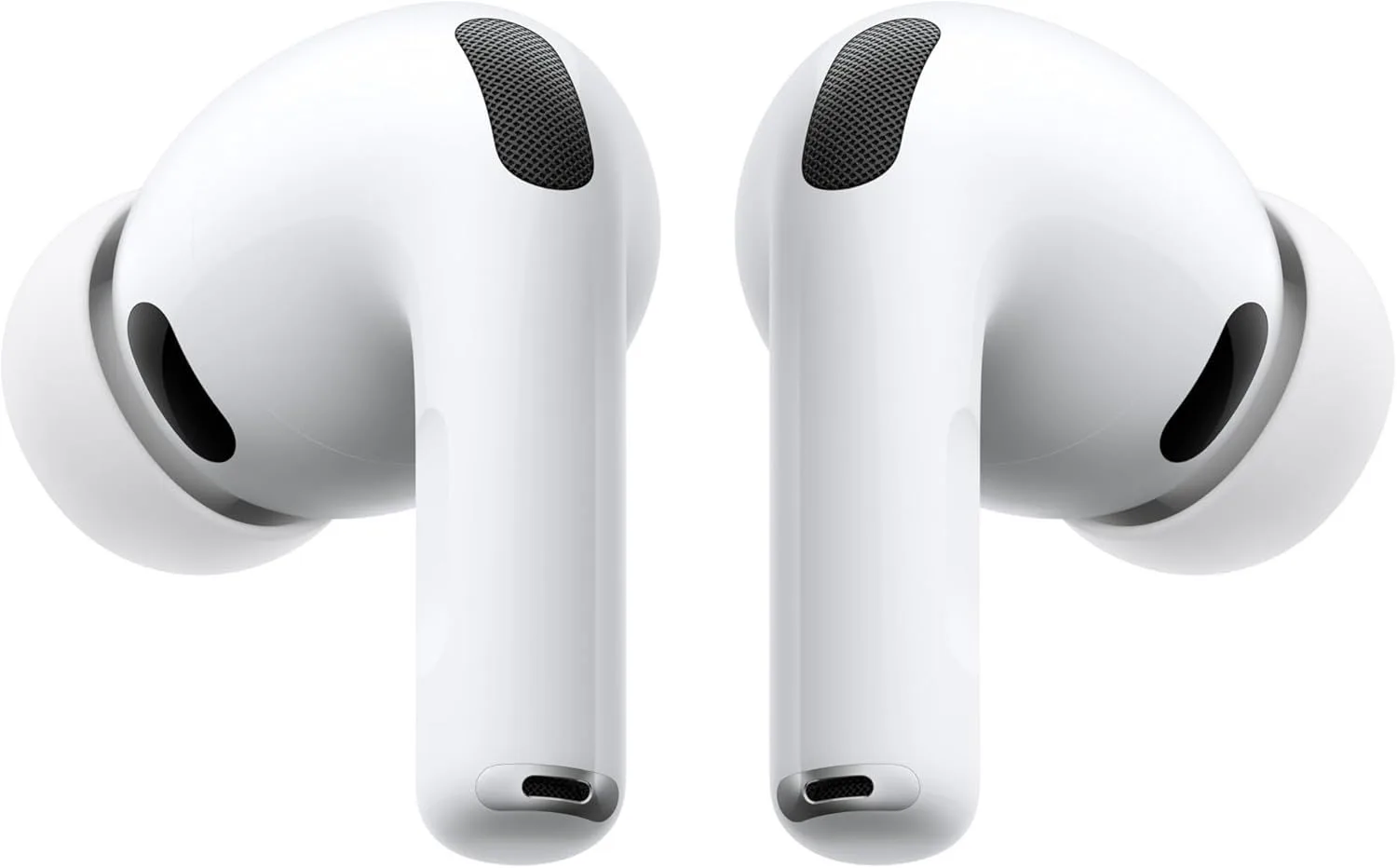
In earbuds, hybrid ANC operates on a smaller scale with fewer mics. The Apple AirPods Pro 3 places one external and one internal microphone per earbud and compensates for the reduced hardware with Apple's H2 chip, which recalculates the inverse wave 48,000 times per second. This computational approach narrows the gap between earbud and over-ear cancellation — RTINGS measurements show the Apple AirPods Pro 3 approaching the noise reduction depth of mid-tier over-ear models in the 100-500 Hz band.
Adaptive Algorithms: Real-Time Adjustment
Fixed ANC applies one cancellation profile regardless of conditions. Walk from a quiet office into a busy street, and the system continues running the same inverse wave calculation — underpowered for the new environment. Adaptive ANC solves this by continuously monitoring ambient noise levels and adjusting cancellation intensity to match.
The processor reads ambient noise amplitude and frequency distribution multiple times per second, then selects or interpolates between cancellation profiles. In a quiet room, adaptive ANC reduces processing intensity to conserve battery and minimize circuit hiss. On a subway platform where ambient levels spike above 85 dB, the system ramps to maximum cancellation depth. The transition happens in under 200 milliseconds on current flagship processors — fast enough that most listeners perceive it as continuous rather than stepped.
Sony's V2 Integrated Processor in the Sony WH-1000XM6 recalculates the noise profile 700 times per second across all 12 microphones simultaneously. The Bose QuietComfort Ultra uses Bose's proprietary CustomTune calibration, which maps the listener's ear canal geometry during initial setup and uses that profile to optimize cancellation angles for the individual user. Apple's Adaptive Audio on the Apple AirPods Pro 3 blends noise cancellation with transparency mode dynamically — reducing ANC strength when someone nearby speaks and restoring full cancellation when the conversation ends.
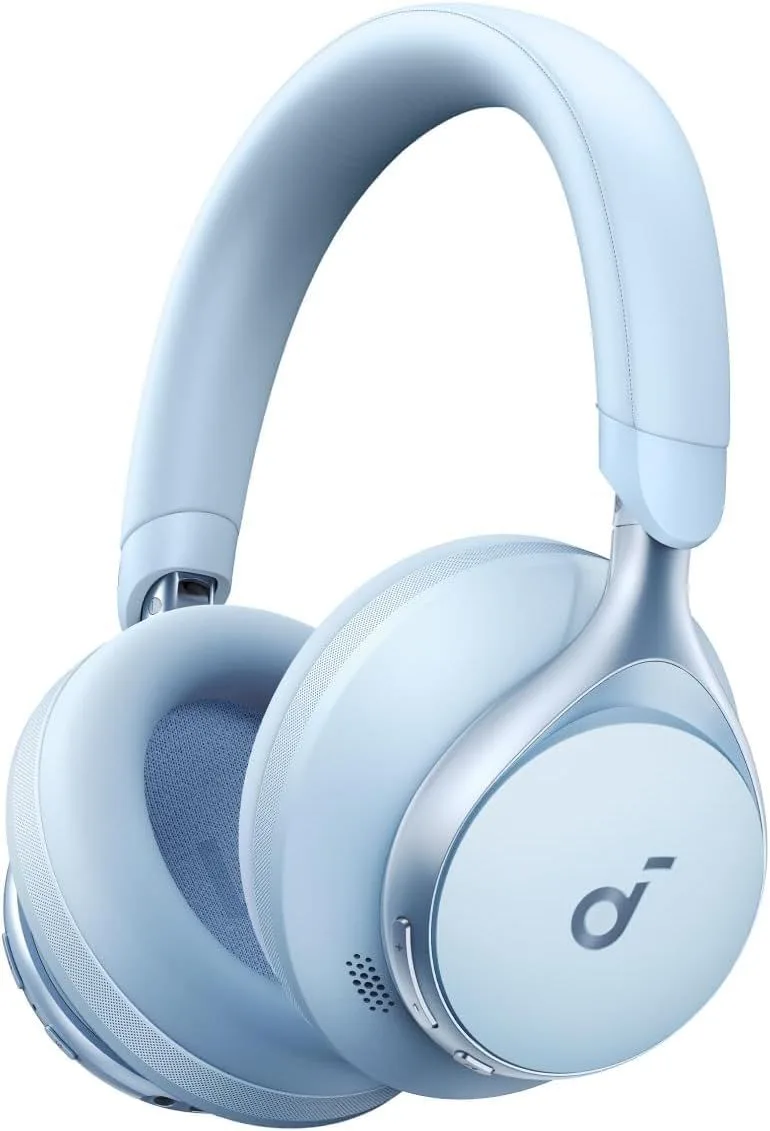
Budget models like the Anker Soundcore Space One use a simpler approach: three fixed ANC modes (Transport, Outdoor, Indoor) that the listener switches manually through a companion app or button press. Each mode applies a static cancellation curve optimized for that noise category. This manual switching works adequately for listeners who spend most of their time in one environment. For commuters moving between subway, sidewalk, and office within an hour, adaptive processing removes a repetitive interaction that fixed modes require.
What ANC Can and Cannot Cancel
The physics of destructive interference impose hard limits on what ANC handles well. Understanding these limits prevents the common disappointment of expecting total silence from a noise-cancelling headphone.
Constant low-frequency sounds (20-500 Hz): This is where ANC delivers its most dramatic results. Airplane cabin noise (80-200 Hz), train rumble (50-150 Hz), air conditioning hum (60-120 Hz), and city traffic drone (100-300 Hz) all sit squarely in the cancellation sweet spot. Premium hybrid systems reduce these sounds by 25-40 dB — the equivalent of turning a vacuum cleaner into a whisper. The top noise-cancelling picks are ranked primarily on depth of reduction in this band.
Mid-frequency sounds (500-2000 Hz): Performance drops here. Human speech fundamentals fall between 300 and 3,000 Hz, with the most intelligible range around 1,000-2,000 Hz. ANC muffles speech — reducing volume by 10-20 dB — without eliminating it. The words become harder to understand through cancellation, which is often enough for focus in an open office. But if the person next to you on a plane is having a loud phone conversation, you will still hear fragments. No shipping product fully cancels conversational speech at close range.
High-frequency and transient sounds (above 2000 Hz): ANC contributes almost nothing here. Dog barks, door slams, glass clinking, keyboard clicks, and notification chimes are too short-lived and too high-pitched for the processor to generate an accurate inverse in time. Passive isolation handles this range: tight-fitting ear cushions on over-ear models block 15-25 dB above 2 kHz, and well-sealed foam ear tips on earbuds block 10-18 dB. The practical takeaway — pair ANC with good passive seal to cover the full frequency spectrum.
Irregular noise patterns: ANC algorithms predict the next fraction of a sound wave based on what just arrived. Steady sounds are predictable; the algorithm stays accurate for minutes at a time. Irregular patterns — a barking dog, construction hammering, a crying infant — change too rapidly for the processor to track. The cancellation engages and disengages in bursts, producing an inconsistent effect that some listeners find more distracting than no cancellation at all.
How ANC Affects Battery Life and Sound Quality
Running microphones, a DSP chip, and amplified inverse waveforms continuously costs power. Every ANC headphone lists two battery numbers: ANC-on and ANC-off. The gap between them quantifies the processing overhead.
The Sony WH-1000XM6 delivers 40 hours with ANC active and 50 hours with ANC off — a 20% drain penalty. The Apple AirPods Pro 3 goes from 8 hours (ANC off) to 6 hours (ANC on) per charge, a 25% penalty on a smaller battery. The Anker Soundcore Space One maintains 40 hours with ANC on, dropping to 55 hours without — competitive with models at twice its price tier. Adaptive ANC reduces the average drain by lowering processing intensity in quiet environments, though the exact savings depend on how much time you spend in low-noise conditions.
Sound quality is the less obvious cost. The inverse waveform that cancels noise also interacts with the music signal, introducing subtle frequency response changes. Most listeners perceive a slight bass boost when ANC activates — the removal of ambient low-frequency noise makes the headphone's own bass more prominent by comparison. Some models also exhibit a "pumping" effect where bass notes fluctuate as the ANC algorithm adjusts to changing ambient conditions. Budget implementations produce more audible pumping than premium ones because their slower processors adapt in larger, more noticeable steps.
Circuit hiss is another artifact. The ANC microphone circuit generates a low-level noise floor that becomes audible in very quiet rooms with no music playing. On the Sony WH-1000XM6 and Bose QuietComfort Ultra, this hiss is barely perceptible — you need to listen for it in a silent room. On budget models, the hiss is more prominent. If you plan to use ANC purely as a silence tool without playing audio, hiss tolerance becomes a relevant consideration. The earbud ANC comparison measures hiss levels across current models.
Now That You Know How ANC Works
Understanding the technology behind noise cancellation puts you in a stronger position to evaluate specific products. Three paths from here, depending on where you are in the buying process:
Ready to compare specific models: We recommend the ANC buying guide as your next step — it ranks headphones by cancellation depth, maps each price tier to the right product, and covers the specs that separate affordable noise cancellation from flagship performance.
Want to see the top-ranked picks: Our noise-cancelling headphone roundup lists the current leaders in noise-cancelling headphones with side-by-side spec tables, measurement-backed rankings, and direct links to full reviews.
Deciding between two flagships: The AirPods Max 2 vs XM6 comparison puts the two most-discussed ANC headphones head to head on cancellation depth, sound accuracy, comfort, and ecosystem integration.

Frequently Asked Questions
Does ANC remove all background noise?
No. ANC is most effective against constant, low-frequency sounds between 20 and 1000 Hz — airplane engines, train rumble, air conditioning hum. It reduces these by 25-40 dB on premium models. Sudden, high-frequency sounds like voices, dog barks, and keyboard clicks are only partially attenuated (5-15 dB reduction). Combining ANC with well-sealed ear tips or over-ear cushions covers the frequencies that active cancellation misses.
Is ANC safe for your hearing?
ANC protects hearing rather than damaging it. The inverse wave reduces total sound pressure reaching the eardrum, which means you can listen at lower volumes in noisy environments. Multiple audiological studies confirm that ANC users choose lower playback levels on airplanes and public transit compared to passive-isolation-only listeners. Some users notice a faint hiss from the ANC circuit in silent rooms — this is an electronic artifact, not a hearing risk.
Why does ANC cause an ear pressure feeling?
When ANC removes low-frequency ambient sound, your brain interprets the sudden absence of background noise as a pressure change — similar to the sensation during altitude changes. The physical air pressure has not changed; the perception is neurological. Some models trigger this more than others depending on how aggressively they cancel sub-100 Hz frequencies. Reducing ANC strength in the companion app or switching to adaptive mode usually eliminates the sensation.
Does ANC drain battery faster?
Yes. ANC requires continuous microphone input and real-time signal processing, which increases power consumption by 20-35% compared to passive playback. The Sony WH-1000XM6 drops from 50 hours (ANC off) to 40 hours (ANC on). The Apple AirPods Pro 3 drops from 8 hours to 6 hours per charge. Adaptive ANC reduces drain in quiet environments by scaling processing intensity down when less cancellation is needed.
Can feedforward ANC match hybrid ANC performance?
Not in current implementations. Feedforward-only systems place microphones on the exterior of the headphone, capturing noise before it enters the ear cup. This gives the processor lead time but limits accuracy because the mic cannot verify what the listener actually hears. Hybrid systems add an internal reference microphone that measures residual noise after cancellation, enabling real-time correction. Every flagship released since 2023 uses hybrid architecture — it outperforms feedforward-only designs by a wide margin. Feedforward-only persists in budget models below the mid-range price tier.
Get Picks Delivered
One email per week. Honest reviews, no spam.
Only when something changes. Unsubscribe anytime.