Best Wireless Headsets for PC and Console 2026
Wireless headsets for PC and console have improved more in the last two years than in the previous five. Battery life has jumped from 15-hour averages to triple-digit territory, 2.4GHz dongles now deliver sub-20ms latency that matches wired connections in blind tests, and microphone software processing has closed the gap between boom mics and standalone desktop units. The days of choosing between wireless convenience and competitive performance are over.
We evaluated every headset on this list against 30,800+ combined Amazon owner ratings, expert reviews from RTINGS, Tom's Guide, and PCMag, plus real complaint data from Reddit r/headphones, r/pcgaming, and Head-Fi threads. Each pick earns its rank based on wireless latency, microphone clarity for team communication, platform compatibility, comfort during extended play sessions, and value at its current street price. Every headset here uses 2.4GHz wireless — not Bluetooth — for primary audio, because competitive play demands sub-20ms latency that Bluetooth cannot deliver.
Product Analysis Methodology
- #1 HyperX Cloud Alpha Wireless — PC and PlayStation gamers who never want a dead headset — 300-hour battery means charging once every 3-4 weeks
- #2 Turtle Beach Stealth 600 — Multi-console gamers who switch between Xbox, PlayStation, Switch, and PC with the most versatile platform support available
- #3 Logitech G733 — Streamers and PC gamers who value setup aesthetics, RGB, and broadcast-quality mic software
Quick Picks at a Glance
| Feature | Editor's Pick HyperX Cloud Alpha Wireless Gaming Headset | Turtle Beach Stealth 600 Gen 3 Wireless Gaming Headset | Logitech G733 LIGHTSPEED Wireless Gaming Headset |
|---|---|---|---|
| Price Range | $100–$250 | $100–$250 | $100–$250 |
| Driver Size | 50mm dual chamber | 40mm Nanoclear | 40mm |
| Battery Life | 300 hrs (327 tested) | 80 hrs | 29 hrs (RGB off) / 20 hrs |
| Weight | ~309g | ~300g | ~278g |
| ANC Type | None | None | None |
| Connection | 2.4GHz USB dongle | 2.4GHz USB-C + Bluetooth 5.2 | LIGHTSPEED 2.4GHz dongle |
| Microphone | Detachable boom | Flip-up boom (TruSpeak AI) | Detachable boom (Blue VO!CE) |
| Platforms | PC, PS4, PS5 | Xbox, PS5, PC, Switch, mobile | PC, PS4, PS5 |
| Check Price | Check Price | Check Price |
#1: HyperX Cloud Alpha Wireless — The Battery That Never Dies
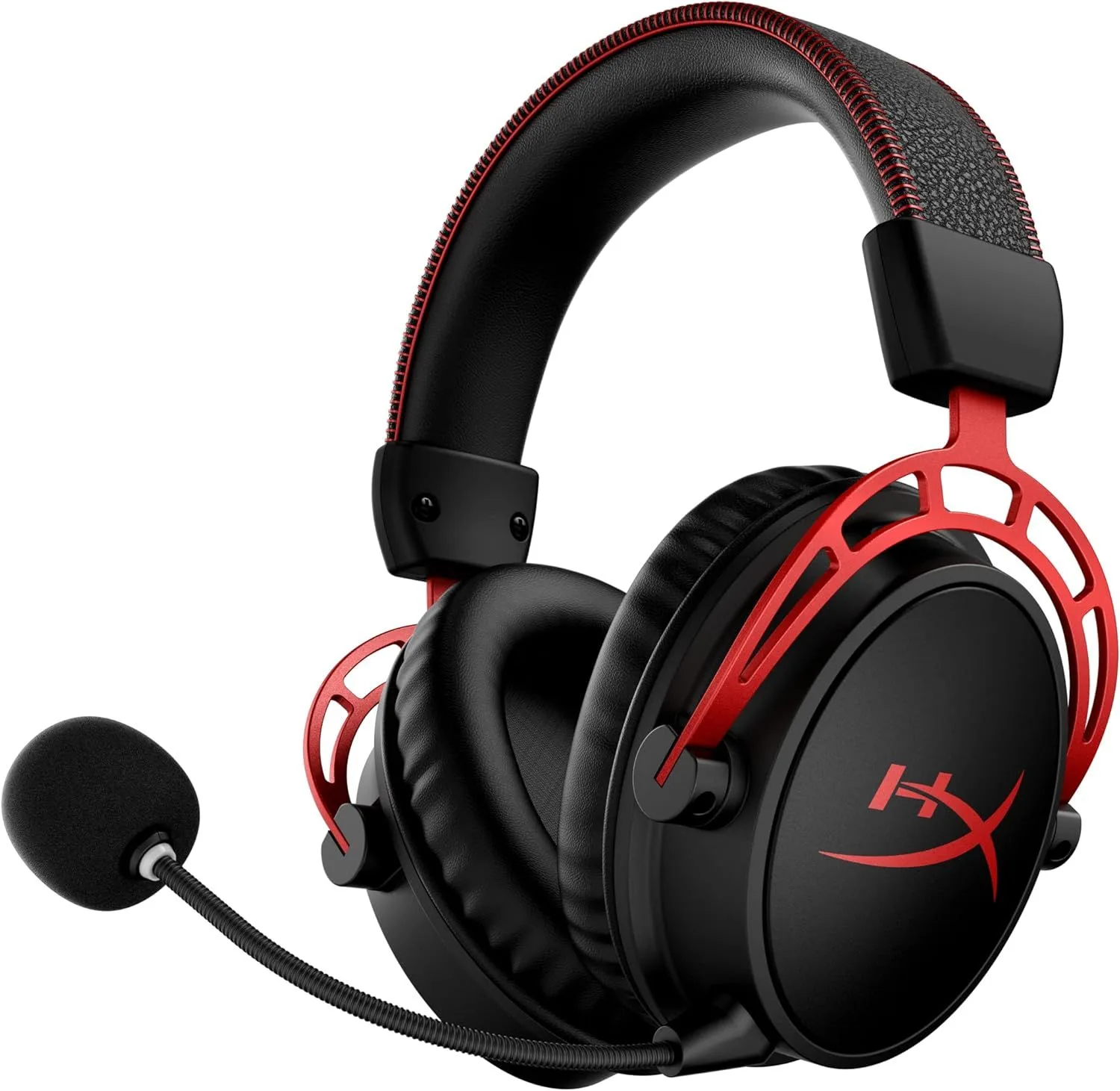
The HyperX Cloud Alpha Wireless rewrites the rules on headset battery life. Its rated 300 hours was independently tested at 327 hours by RTINGS — a number so far beyond every competitor that it exists in a category of its own. To put that in perspective, at 4 hours of daily play, you charge this headset once a month. The mental load of battery management simply disappears. No other wireless headset comes within 200 hours of this figure.
Audio quality matches the battery ambition. The 50mm dual-chamber driver design physically separates bass reproduction from mid-high frequency output, reducing the distortion that plagues single-driver headsets during explosions, gunfire, and overlapping sound effects. RTINGS measured a frequency response that competes with headsets costing twice as much, and the bass extension reaches deep enough to feel footsteps in positional audio without muddying dialogue. The DTS Headphone:X Spatial Audio implementation is above average for the category — not as precise as dedicated audiophile setups, but noticeably better than stereo for identifying enemy positions in shooters.
The microphone is this headset's documented weakness. Discord and TeamSpeak users consistently report that teammates cannot hear them without maxing out mic gain, and even then the output sounds thin and distant. A SoundGuys comparison placed the Cloud Alpha mic near the bottom of the wireless category for voice clarity. If competitive callouts or streaming are part of your routine, budget an extra $30-40 for a clip-on ModMic or USB desk microphone. The headset audio is excellent — the mic is not.
Platform support is limited to PC and PlayStation via the 2.4GHz USB-A dongle. Xbox wireless is not supported, and there is no Bluetooth radio for phone connectivity or Switch use. HyperX's NGenuity software offers DTX Ultra spatial audio tuning, a 10-band EQ, and microphone monitoring — but these settings require the software running on PC and do not persist when unplugged. For PS5 users, the headset works out of the box with plug-and-play simplicity, but you lose EQ customization entirely. The connection itself is rock-solid: no dropouts reported in any major review, with a tested wireless range of roughly 20 meters through walls.
At its current price point, the HyperX Cloud Alpha Wireless sits in the mid-range bracket but delivers audio quality that punches into the premium tier. The 309g weight distributes well across the headband, and the signature HyperX memory foam ear cushions keep pressure even during 3-4 hour sessions. Build quality is solid plastic and aluminum — no flex, no creaking — though the design is utilitarian rather than flashy. This is a headset built for people who prioritize sound and battery above everything else, and it delivers on both fronts convincingly.
Read our full Cloud Alpha Wireless review for detailed audio measurements, microphone comparisons, and long-term durability notes.
Check Price on Amazon
#2: Turtle Beach Stealth 600 — The Multi-Platform Swiss Army Knife
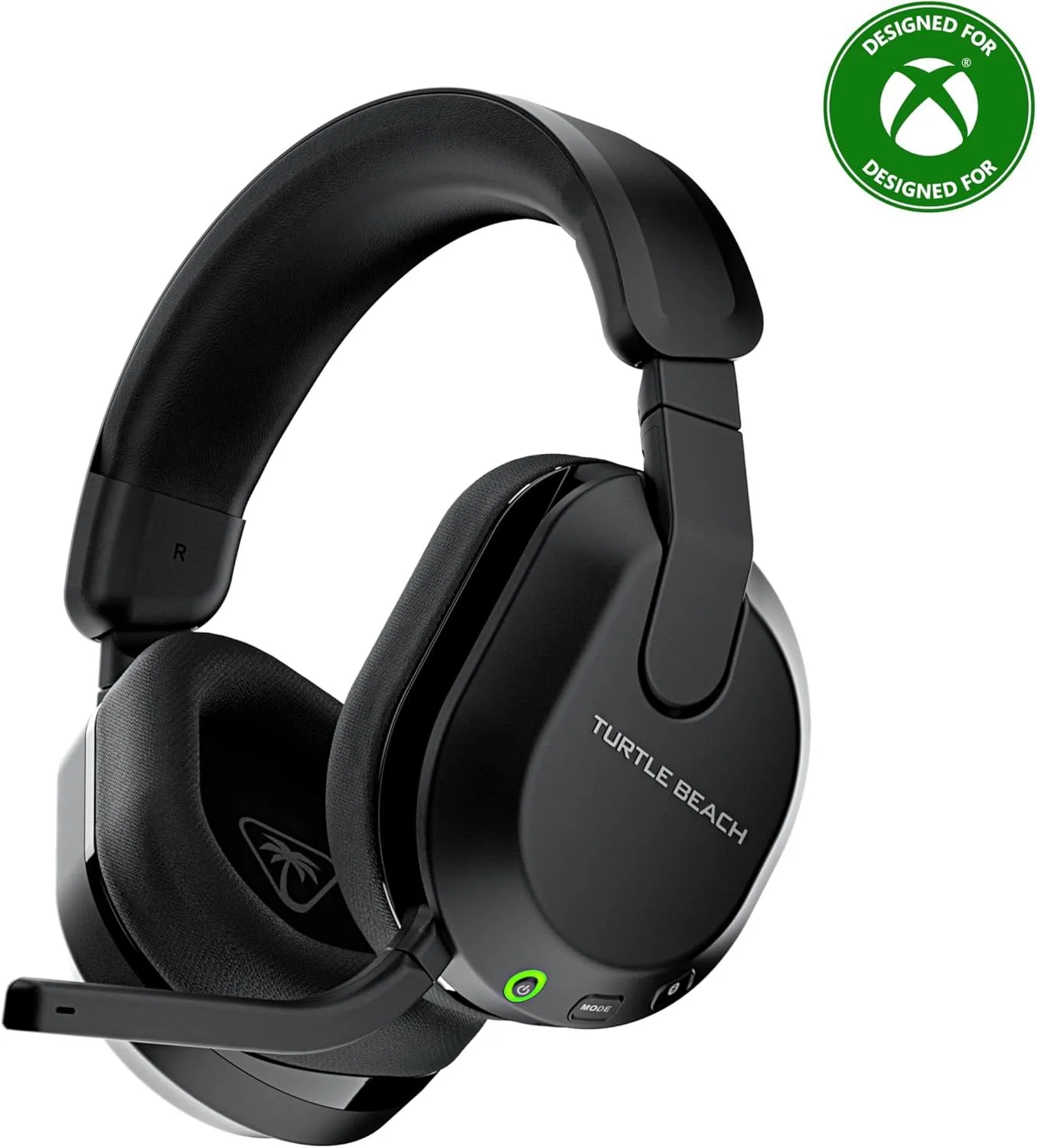
The Turtle Beach Stealth 600 Gen 3 solves a problem that most headset manufacturers ignore: multi-console ownership. A single USB-C dongle provides 2.4GHz wireless audio to Xbox, PS5, Nintendo Switch, and PC — no adapters, no separate SKUs, no compatibility headaches. On top of that, simultaneous Bluetooth 5.2 lets you take a phone call mid-match or listen to Spotify from your phone while hearing in-session audio from your console. No other headset in this price range offers both 2.4GHz and Bluetooth running at the same time.
The 80-hour battery was confirmed at approximately 75-80 hours in independent testing — second only to the Cloud Alpha Wireless in this roundup. The 40mm Nanoclear drivers deliver a clean, slightly warm sound signature that works well for both explosive action sequences and dialogue-heavy RPGs. Turtle Beach's Superhuman Hearing mode boosts footstep and reload audio cues in multiplayer, and while purists may find the processing artificial, it does provide a measurable advantage in competitive shooters by amplifying specific frequency ranges that correspond to in-game positional cues.
The TruSpeak AI microphone processing handles background noise rejection better than the raw boom mic hardware would suggest. Dog barking, keyboard clicks, and roommate conversations get filtered out without clipping your voice — a real improvement over the Gen 2 model. Voice clarity on Discord sits in the middle of the pack: better than the HyperX mic by a wide margin, but below the Blue VO!CE processing on the G733 review page.
Comfort is where the Stealth 600 stumbles. The headband padding is thin — noticeably thinner than what HyperX or Logitech offer — and creates a pressure point on the crown of the head that becomes uncomfortable after 90-120 minutes of continuous wear. Multiple Amazon reviewers and Reddit threads flag this as the primary complaint. The fix is simple (a $10-15 aftermarket headband pad) but the fact that it needs fixing at a $109 price point is a legitimate criticism. Ear cup padding is adequate but not plush — memory foam rather than the gel cushions found on more expensive headsets.
Build quality presents a mixed picture. The yoke and hinge mechanism flex more than you would expect at this price, and the plastic construction lacks the reassuring solidity of the HyperX build. No widespread hinge failures have been documented, but the flex inspires less long-term confidence. A recurring issue across forums: random microphone dropouts that require restarting the headset to resolve. Firmware updates have reduced the frequency, but the bug persists for some users. If you rely on consistent mic performance for ranked competitive play, this is worth noting.
Despite the comfort and build caveats, the Turtle Beach Stealth 600 occupies a unique position. For multi-console households — especially families or gamers who split time between Xbox and PlayStation — the platform coverage alone justifies the purchase. The combination of 80-hour battery, simultaneous dual wireless, and sub-$120 pricing makes it the best value for platform flexibility available today.
Read our Stealth 600 Gen 3 review for platform-by-platform testing, headband comfort analysis, and mic dropout documentation.
Check Price on Amazon
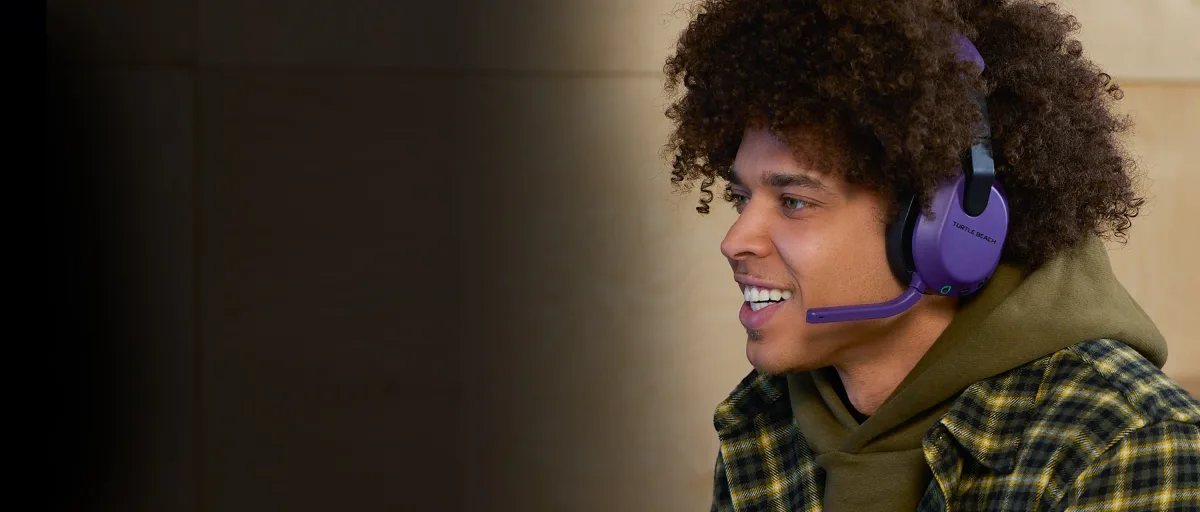
Our #1 pick: The HyperX Cloud Alpha Wireless pairs a 300-hour battery with dual-chamber drivers that outperform its price class.
Check Price on Amazon#3: Logitech G733 — The Streamer's Weapon of Choice
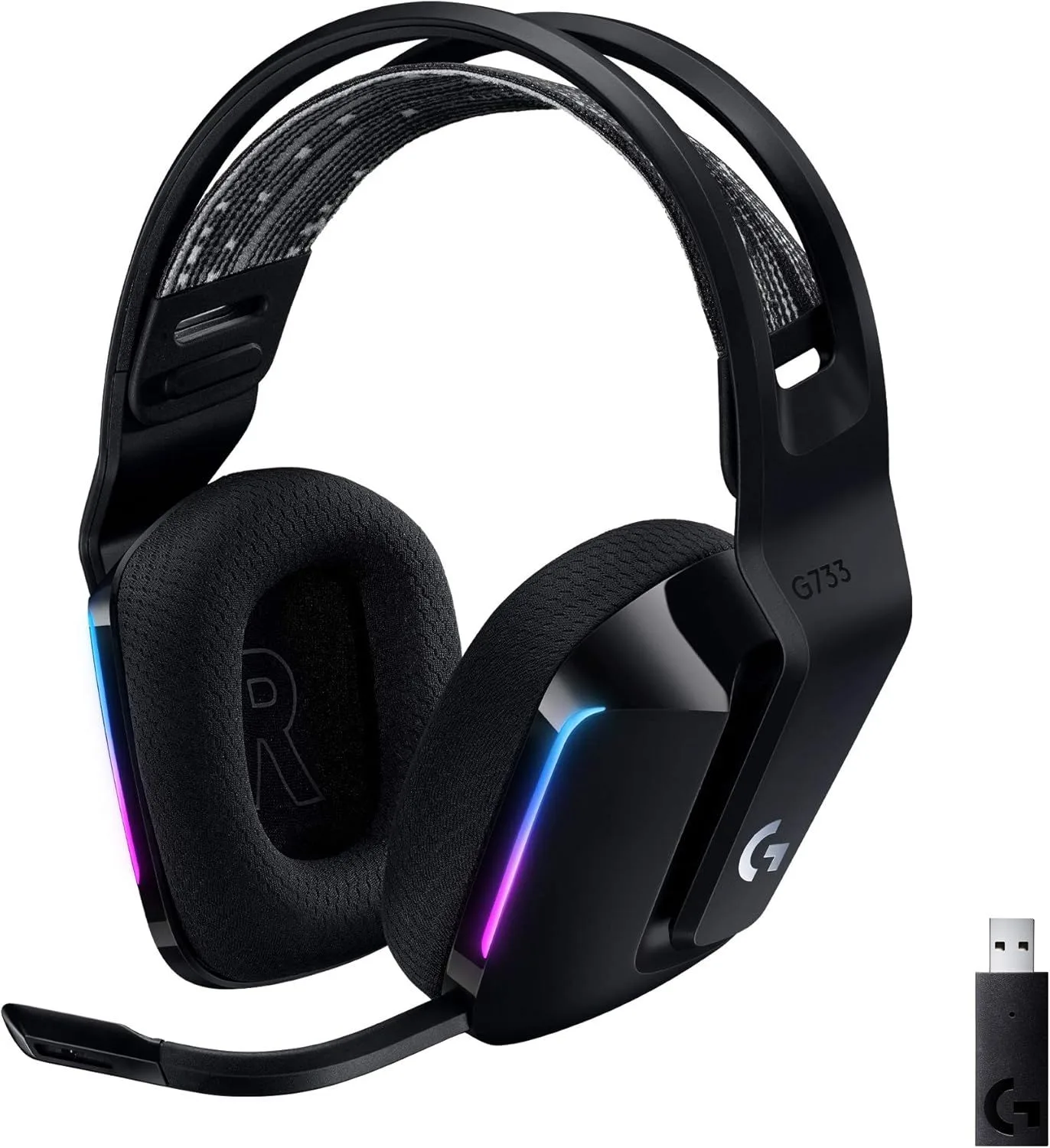
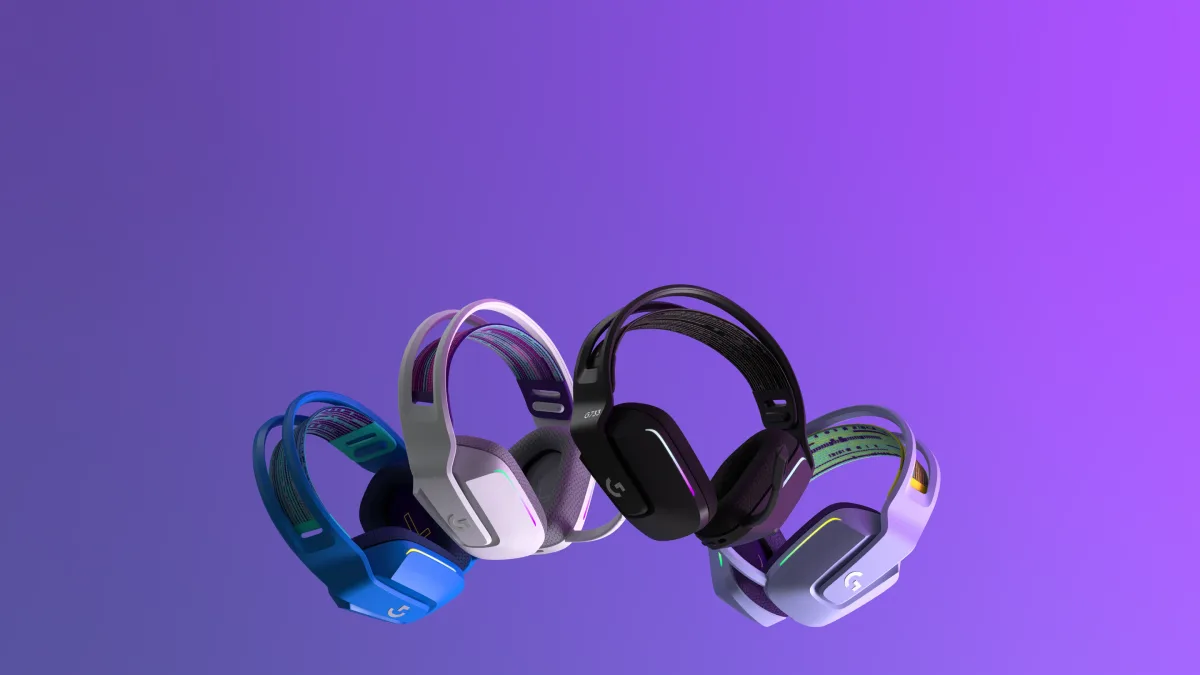
The Logitech G733 is the most visually distinctive headset in the wireless category and the only one built with streamers as the primary audience. Front-facing LIGHTSYNC RGB syncs with on-screen events (explosions flash red, health pickups pulse green) and shows up on camera during streams — a detail that matters when your face cam captures your setup. Five colorways (black, white, blue, lilac, green) make it the most personalization-friendly headset available at any price. For content creators who treat their setup as part of their brand, no competitor matches this level of visual identity.
Blue VO!CE microphone technology is the G733's strongest technical feature. It brings broadcast-grade processing — EQ shaping, compression, noise gate, de-esser, and limiter — to a boom mic that costs a fraction of a standalone broadcasting setup. The difference is audible: voices sound fuller, background noise cuts out cleanly between sentences, and sibilance gets tamed without manual post-processing. For Twitch and YouTube streamers who do not want to manage a separate microphone chain, the G733 eliminates that entire equipment category. PCMag highlighted the mic quality as the standout feature, and multiple streamers on Reddit r/Twitch confirm that Blue VO!CE processing is usable for broadcast without additional hardware.
At 278g with a reversible elastic headband (no rigid plastic frame), the Logitech G733 is the lightest and most comfortable headset in this roundup for extended wear. The dual-layer memory foam ear pads breathe better than the leatherette found on the HyperX and Turtle Beach models, reducing heat buildup during summer months or heated competitive sessions. Multiple 8-hour session reports on forums describe the G733 as "forgettable" in the best sense — you stop noticing you are wearing it.
The battery is the G733's weakest specification. At 29 hours with RGB disabled (20 hours with lighting active), it is the shortest-lived headset in this roundup by a factor of four compared to the Cloud Alpha Wireless. Daily charging becomes routine for heavy users. A USB-C charge port makes topping off convenient, but if battery anxiety is a factor in your decision, the Cloud Alpha Wireless at 300+ hours is the obvious alternative.
Logitech G Hub software is both a strength and a frustration. It unlocks Blue VO!CE processing, DTS Headphone:X 2.0 surround virtualization, per-app audio mixing, and granular RGB customization. The problem: settings reset to factory defaults when G Hub is not running. If the software crashes, auto-updates, or fails to launch on boot (a documented issue across Logitech's forum), your EQ profile and mic processing vanish until you restart the app. PlayStation users lose all software features entirely since G Hub is PC-only. This software dependency is the most common complaint across Amazon reviews and Head-Fi threads.
LIGHTSPEED wireless connectivity delivers sub-20ms latency through a USB-A dongle, matching the performance of the other two picks. Wireless range reaches approximately 20 meters with clear line of sight. A scattered but documented issue: static, crackling, and brief connection drops have been reported by users, particularly in environments with heavy 2.4GHz congestion (multiple Wi-Fi routers, other wireless peripherals). Logitech attributes this to interference and recommends USB extension cables to reposition the dongle, which resolves the issue for most users.
The Logitech G733 earns its recommendation for a specific audience: PC streamers and content creators who value mic quality, aesthetics, and comfort above battery life and multi-platform support. For pure audio performance in competitive play, the HyperX Cloud Alpha Wireless delivers better sound. For console flexibility, the Stealth 600 covers more platforms. But for the streaming and content creation workflow — where how you sound and look on camera matters as much as what you hear — the G733 is purpose-built and unmatched.
Read our full G733 review for Blue VO!CE testing, G Hub reliability data, and streaming setup recommendations.
Check Price on AmazonHow We Chose
Every headset on this list was evaluated against five weighted criteria: wireless latency and connection stability (25%), microphone quality for team communication (25%), comfort for sessions exceeding two hours (20%), audio quality and positional accuracy (20%), and platform compatibility and value (10%). We weighted latency and microphone equally highest because wireless headset buyers are making a specific choice — they want cable-free play without sacrificing competitive performance or team communication.
Data sources include measured latency and frequency response from RTINGS (the most rigorous independent testing lab for audio products), long-form expert reviews from Tom's Guide, PCMag, and SoundGuys, plus real owner complaint data mined from 30,800+ combined Amazon ratings, Reddit r/pcgaming and r/headphones threads, Head-Fi forums, and Logitech/HyperX/Turtle Beach community boards. We cross-referenced expert measurements against real-world failure reports — which is how microphone dropouts and G Hub reliability issues affect rankings despite strong measured audio performance.
Rankings reflect the current market as of early 2026. None of the headsets on this list include active noise cancellation — these are open or closed-back designs built for low-latency wireless audio, not commuter noise isolation. For noise-cancelling headphones designed for music and travel, products like the Sony XM6 serve a different use case entirely.
One deliberate scoping decision: we excluded wired headsets and Bluetooth-only models. This roundup covers 2.4GHz wireless headsets built specifically for low-latency play. Bluetooth adds 100-200ms of delay that disqualifies it for competitive use. Wired headsets remain viable for tournament environments where wireless is banned, but for home play, 2.4GHz wireless has reached parity with wired latency — and the cable-free convenience is worth the minimal weight and battery trade.
Buying Guide: What to Look For
Wireless Latency: 2.4GHz vs Bluetooth
Every headset in this roundup uses a proprietary 2.4GHz wireless dongle as its primary connection — not Bluetooth. The distinction matters enormously for play. 2.4GHz dongles deliver 15-25ms audio latency, which is imperceptible to human hearing and matches wired USB connections in blind testing. Bluetooth, even with aptX Low Latency, adds 40-200ms depending on codec and implementation. In a competitive shooter where a 50ms audio delay means hearing a footstep after the enemy has already turned the corner, that gap is the difference between reacting and dying. If a headset lists only Bluetooth connectivity, it is not designed for competitive play.
Microphone Quality: Software vs Hardware
Raw microphone hardware in wireless headsets has plateaued — most boom mics use similar electret capsules. The differentiator in 2026 is software processing. Blue VO!CE on the Logitech G733 applies broadcast-grade compression, noise gating, and EQ in real time, producing voice quality that approaches a dedicated USB microphone. TruSpeak AI on the Turtle Beach Stealth 600 focuses on background noise rejection. The HyperX Cloud Alpha Wireless relies on hardware alone, with minimal processing — and the results show in lower voice clarity. Our G733 review includes mic comparison samples recorded across all three headsets in matched environments.
Platform Compatibility: The Hidden Deal-Breaker
Xbox wireless compatibility is the most common surprise disappointment in headset purchases. Microsoft requires specific wireless protocols for Xbox console connectivity, and many PC/PlayStation headsets do not support them. The Turtle Beach Stealth 600 is the only headset in this roundup with native Xbox wireless. The HyperX Cloud Alpha Wireless and Logitech G733 work with PC and PlayStation only via their 2.4GHz dongles. Before purchasing any wireless headset, verify compatibility with every platform you own — dongle connector type (USB-A vs USB-C), console wireless protocol support, and whether Bluetooth is available as a secondary connection for mobile devices.
Battery Life: What the Numbers Actually Mean
Manufacturer battery claims are tested at moderate volume with features disabled. Real-world figures with active microphone, higher volume, and features like RGB or Superhuman Hearing mode typically run 10-20% lower. The HyperX Cloud Alpha Wireless's 300-hour rating was tested at 327 hours by RTINGS — an anomaly where the real figure exceeds the claim. The Turtle Beach Stealth 600 hits about 75 hours in practice. The Logitech G733 drops from 29 hours (RGB off) to roughly 20 hours with lighting active. If you play 3-4 hours daily, the Cloud Alpha Wireless lasts a month between charges, the Stealth 600 lasts about three weeks, and the G733 needs charging every 5-7 days.
Comfort During Extended Play: Weight and Clamping Force
Weight differences between 278g and 309g seem trivial on paper but compound over hours. More important than raw weight: how the headset distributes pressure across your skull. The Logitech G733's elastic suspension headband eliminates crown pressure entirely — it floats on a fabric strip rather than pressing a padded plastic arc against the top of your head. The HyperX Cloud Alpha Wireless uses a traditional padded headband that distributes its 309g evenly. The Turtle Beach Stealth 600's thin headband padding creates a concentrated pressure point that becomes noticeable after 90 minutes. For sessions beyond 3 hours, headband design matters more than driver quality. Ear cup material also affects comfort: mesh and fabric breathe better than leatherette in warm environments, while leatherette provides better passive sound isolation.
Surround Sound and Spatial Audio: Real vs Simulated
No headset produces true surround sound — all stereo drivers simulate directional audio through processing. DTS Headphone:X (available on the HyperX Cloud Alpha Wireless and Logitech G733) and Windows Sonic (free, works with any headset) create a virtual surround field that helps locate footsteps, gunshots, and environmental cues. The quality varies by implementation: the Cloud Alpha's DTS integration received higher positional accuracy scores from RTINGS than the G733's version. The Stealth 600 uses Turtle Beach's Superhuman Hearing mode, which takes a different approach by boosting specific frequencies associated with in-game audio cues rather than simulating directional channels. Both methods provide a competitive advantage over raw stereo, but neither replaces the positional accuracy of a properly configured speaker setup.
Who Should Buy Which Headset
The right headset depends on what you prioritize. We recommend the HyperX Cloud Alpha Wireless as our top pick for most PC and PlayStation players. If you are a PC or PlayStation player who values audio fidelity, rock-solid wireless, and never thinking about battery life, the HyperX Cloud Alpha Wireless at #1 is the answer. Its 300+ hour battery and dual-chamber drivers outperform the competition on the two metrics that matter most during play. Budget for a separate clip-on microphone if team communication is critical.
If you own multiple consoles — especially if Xbox is in the mix — the Turtle Beach Stealth 600 at #2 is the only headset here that covers every platform with a single device. The simultaneous 2.4GHz and Bluetooth dual wireless adds phone call capability that neither competitor offers. Accept the headband comfort limitation (easily fixed with a cheap aftermarket pad) and you get the widest platform support in any wireless headset under $120.
If you stream on Twitch or YouTube and your microphone quality directly affects your content, the Logitech G733 at #3 delivers Blue VO!CE processing that no other headset in this price range can match. The RGB lighting and color options are a bonus for on-camera setups. Accept the shorter battery life and G Hub software dependency as the cost of having the best mic and aesthetics package in the wireless category. Our activity guide for play sessions covers platform-specific setup tips and cross-category picks including premium ANC options for single-player immersion. For a deeper breakdown of specs, compatibility tables, and what to check before buying, read the gaming headset buying guide.
Wireless Headset Questions Answered
Do wireless headsets add noticeable audio latency during competitive play?
All three headsets on this list use proprietary 2.4GHz wireless dongles rather than Bluetooth for audio. The HyperX Cloud Alpha Wireless and Turtle Beach Stealth 600 both measure under 20ms latency on 2.4GHz — imperceptible in practice, even in fast-paced shooters. The Logitech G733 uses Logitech LIGHTSPEED at similar latency figures. Bluetooth adds 100-200ms delay and is unsuitable for competitive play, which is why none of these headsets rely on it as the primary connection for audio during matches.
Which wireless headset has the best microphone for team chat?
The Logitech G733 leads with Blue VO!CE software — broadcast-grade EQ, compression, noise gate, and de-esser processing that makes your voice clearer on Discord and streaming platforms. The Turtle Beach Stealth 600 uses TruSpeak AI noise reduction, which handles background rejection well but offers fewer tuning options. The HyperX Cloud Alpha Wireless has the weakest microphone of the three — Discord teammates commonly report low volume unless mic gain is maxed. For competitive multiplayer where callouts matter, the G733's mic processing is the strongest option by a clear margin.
Can I use a wireless headset across multiple consoles without buying separate models?
The Turtle Beach Stealth 600 is the only headset here with true multi-platform support out of the box — it works with Xbox, PS5, Nintendo Switch, and PC using a single USB-C dongle, plus simultaneous Bluetooth for phone calls. The HyperX Cloud Alpha Wireless supports PC and PlayStation only (no Xbox wireless). The Logitech G733 supports PC and PlayStation via its LIGHTSPEED dongle but not Xbox natively. If you own more than one console, the Stealth 600 eliminates the need for multiple headsets.
How long do wireless headset batteries actually last compared to advertised specs?
Independent testing confirms that advertised battery figures hold reasonably close to real-world use. The HyperX Cloud Alpha Wireless was tested at 327 hours (advertised 300) — a figure so extreme it redefines what battery life means in this category. The Turtle Beach Stealth 600 hits approximately 75-80 hours in practice versus its 80-hour claim. The Logitech G733 reaches roughly 20-25 hours with RGB lighting disabled (29 hours advertised without RGB). Louder volume and active microphone use reduce all figures by 10-15%.
Are wireless headsets comfortable enough for marathon sessions of 4 or more hours?
Weight and clamping force determine marathon comfort more than padding quality. The Logitech G733 at 278g with dual-layer memory foam and a reversible elastic headband is the lightest and most comfortable for extended play. The HyperX Cloud Alpha Wireless at 309g uses signature memory foam ear cushions that distribute pressure well. The Turtle Beach Stealth 600 at 300g has the weakest headband padding — multiple users report pressure on the crown of the head after 2 hours. For sessions exceeding 4 hours, the G733 is the clear winner on comfort.
Track Gaming Picks
We'll let you know when our picks for this category change.
Only when something changes. Unsubscribe anytime.
Our Top Pick
The HyperX Cloud Alpha Wireless is our #1 recommendation — pc and playstation gamers who never want a dead headset — 300-hour battery means charging once every 3-4 weeks.
Check Price: HyperX Cloud Alpha Wireless