Best Over-Ear Headphones for Style and Sound 2026
Not every headphone buyer needs airport-grade noise cancellation. Some listeners want a pair that sounds great in a quiet room, lasts a full work week on a single charge, and does not look like it belongs in an anechoic chamber. This roundup is for that audience — people who prioritize sound character, battery endurance, and personal style over ANC benchmark scores.
We evaluated each pick against 58,000+ combined Amazon ratings, expert reviews from SoundGuys, What Hi-Fi, RTINGS, and Tom's Guide, plus long-term owner reports from Reddit and Head-Fi. The ranking weighs sound quality and tuning character (30%), battery life and charging convenience (25%), comfort for multi-hour sessions (20%), build quality and design appeal (15%), and value at the current street price (10%). Every product here earns its spot based on what it does well — not on a feature checklist that favors ANC-first designs. The three picks span a wide price range from the budget tier to the mid-range bracket, giving every listener a viable option regardless of budget.
Product Analysis Methodology
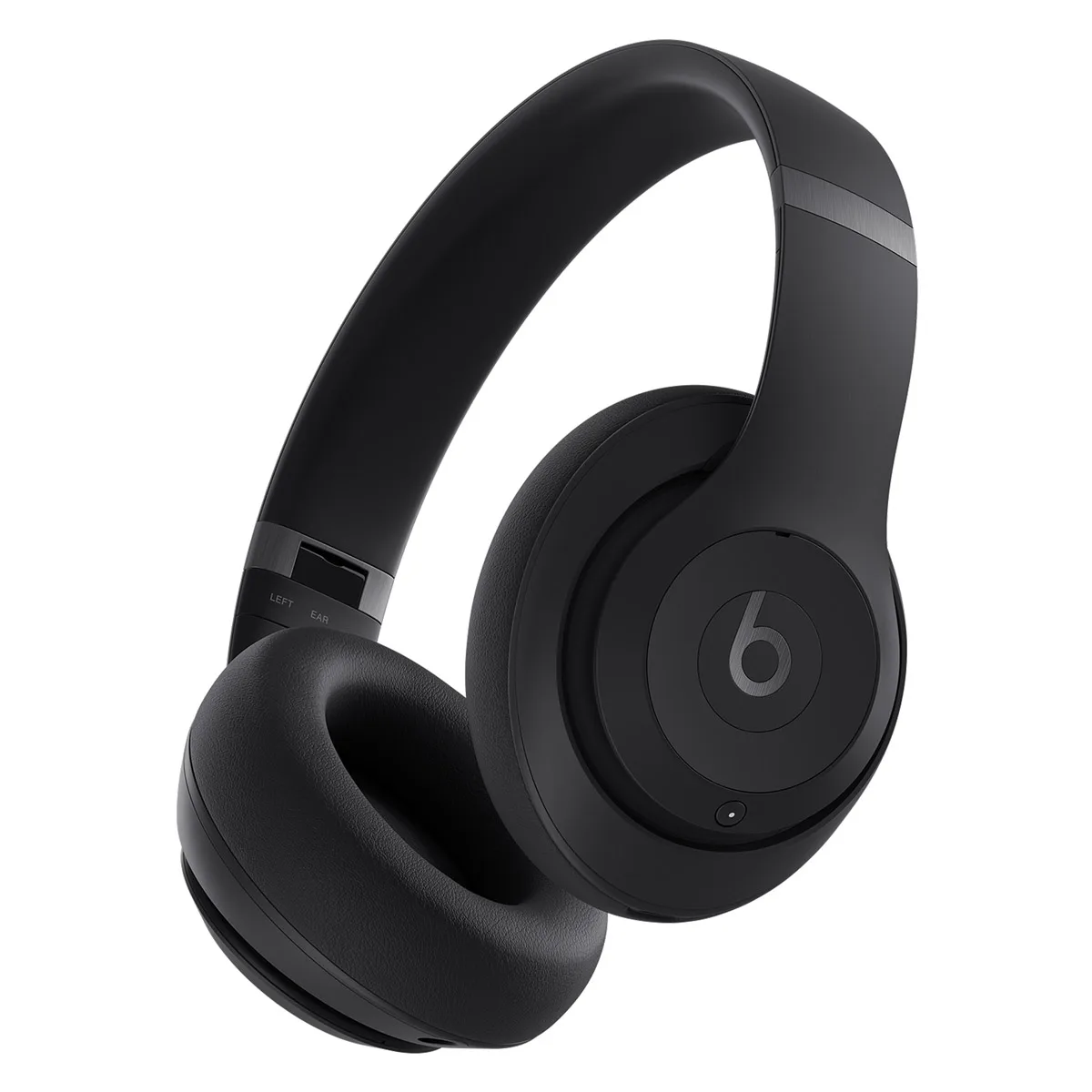
- #1 Beats Studio Pro — Apple ecosystem users who want USB-C lossless audio, 40-hour battery, and lifestyle aesthetics without flagship ANC demands
- #2 Skullcandy Crusher Evo — Bass lovers who want to physically feel their music with patented haptic bass — no other headphone offers this experience
- #3 JBL Tune 520BT — Casual listeners who want lightweight, stylish Bluetooth headphones for home or quiet environments with marathon battery
Quick Picks at a Glance
| Feature | Editor's Pick Beats Studio Pro Wireless Bluetooth Noise Cancelling Headphones | Skullcandy Crusher Evo Wireless Over-Ear Bluetooth Headphones | JBL Tune 520BT Wireless On-Ear Bluetooth Headphones |
|---|---|---|---|
| Price Range | $100–$250 | $100–$250 | $50–$100 |
| Driver Size | 35mm custom | 40mm + haptic bass driver | 40mm |
| Battery Life | 40 hrs ANC / 80 hrs off | 40 hrs (66 hrs tested) | 57 hrs |
| Weight | ~260g | ~308g | ~160g |
| Bluetooth Codecs | AAC, aptX HD, USB-C lossless | AAC, SBC | AAC, SBC |
| ANC Type | Adaptive, 3 mic pairs | None | None |
| Water Resistance | None | None | None |
| Bluetooth | 5.3 | 5.0 | 5.3 |
| Check Price | Check Price | Check Price |
#1: Beats Studio Pro — Lossless Audio at a Mid-Range Price
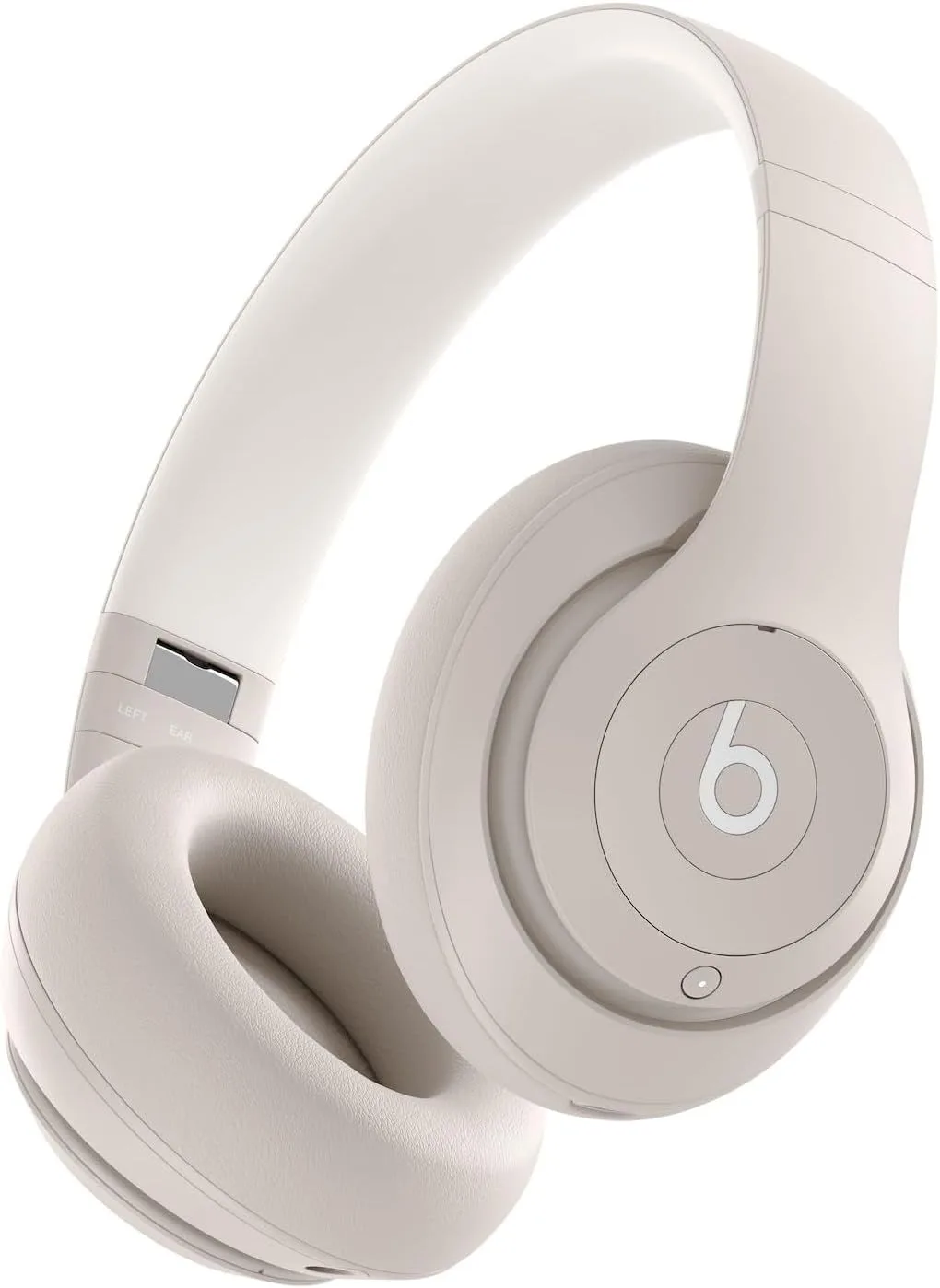
The Beats Studio Pro occupies a rare position in the headphone market: it delivers USB-C wired lossless audio — a feature typically locked behind premium price points — at roughly premium. Apple owns Beats, which means the W1 chip provides instant pairing and automatic switching across iPhone, iPad, and Mac. But unlike most Apple-adjacent products, the Beats Studio Pro also supports aptX HD for Android, making it one of the few headphones that works equally well across both ecosystems. That cross-platform versatility is rare and worth highlighting for households with mixed device allegiances.
Sound quality is where this headphone separates itself from budget competitors. The custom 35mm drivers deliver a warmer, more controlled bass response than previous Beats models — gone is the muddy low-end that plagued the Solo3 and older Studio lines. SoundGuys measured a frequency response curve that sits closer to the Harman target than most headphones in this price bracket, with clear vocal presence and a treble that avoids harshness on sibilant tracks. The midrange has enough body to keep male and female vocals sounding natural, and acoustic guitar strings retain their bite without tipping into brightness. For genres spanning hip-hop, R&B, pop, and electronic music, the tuning feels intentional rather than exaggerated.
Battery life hits 40 hours with ANC enabled and stretches to 80 hours with ANC off — numbers that translate to roughly a full work week of daily commuting and desk listening before reaching for a cable. The 10-minute fast charge returning 4 hours of playback is practical enough that forgetting to charge overnight is rarely a crisis. USB-C charging uses the same cable as modern phones and laptops, eliminating the need for a dedicated headphone charger in your bag.
The Beats Studio Pro does include ANC, but it sits a clear tier below dedicated noise-cancelling headphones from Sony and Bose. In noisy environments — aircraft cabins, open-plan offices with loud HVAC, busy cafes — the cancellation attenuates but does not eliminate ambient sound. If deep noise cancellation is your primary buying criterion, this is not the right headphone. Where the Beats Studio Pro excels: quiet-to-moderate environments where you want great audio quality, long battery, and a design that looks polished without screaming "tech gadget." The shallow 59x40mm ear cups are a documented comfort limitation — users with larger ears report pad pressure after 90 minutes of continuous wear.
Read our full analysis for frequency response measurements, codec comparison testing, and comfort data across different head sizes.
Check Price on Amazon
#2: Skullcandy Crusher Evo — Bass You Can Feel, Literally
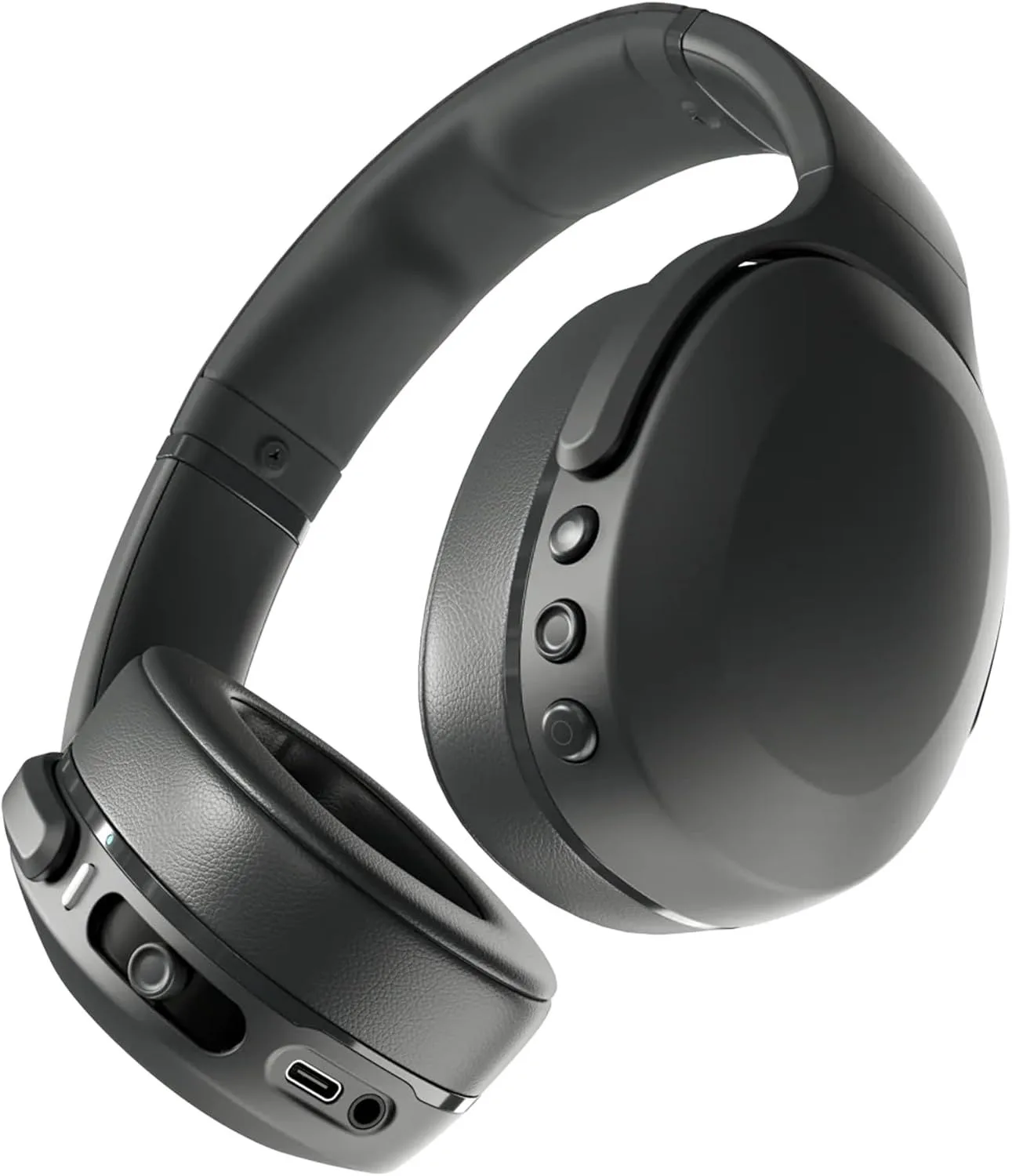
The Skullcandy Crusher Evo does something no other headphone on the market replicates: it vibrates. A patented haptic bass actuator built into each ear cup generates physical tactile feedback synchronized to low-frequency content. Turn the physical slider on the left ear cup from zero to maximum, and the sensation progresses from a subtle hum to an aggressive rumble that mimics standing near a subwoofer at a live show. It is polarizing by design — audiophile purists dismiss it, while the 4.7 Amazon rating from 18,800+ owners confirms that a large audience finds it addictive. There is no middle ground with this feature.
Battery endurance is the other headline number. Skullcandy advertises 40 hours, but independent testing from RTINGS measured 66 hours and 50 minutes at moderate volume with haptic bass set to medium — a result that exceeds the manufacturer claim by 65%. No other full-size headphone in our catalog comes close to that real-world figure. Charging happens over USB-C, and a rapid charge provides 3 hours of playback from a 10-minute connection. For travelers who forget to charge or students who leave headphones on during marathon study sessions, the battery alone justifies serious consideration.
Sound tuning beyond the haptic feature leans warm with emphasized sub-bass and a recessed upper midrange. With the haptic slider at zero, the Skullcandy Crusher Evo sounds like a competent mid-range headphone — detailed enough for casual listening, but lacking the precision that the Beats option delivers through its custom driver tuning. With the slider cranked, bass dominates the mix in a way that distorts vocal clarity and muddies instrument separation — podcast voices become hollow, and acoustic recordings lose definition. The sweet spot sits around 40-60% on the slider for most genres, where bass feels present and physical without overwhelming everything else.
The limitations are real and worth weighing before purchase. At 308 grams, the Skullcandy Crusher Evo is the heaviest headphone in our catalog — noticeably heavier than the Beats Studio Pro and nearly double the weight of the JBL Tune 520BT. After two hours of continuous wear, the clamping force and weight combine to create pressure points on the crown and around the ears. No ANC at a price point where competitors include it means this headphone is designed for environments where you want to hear your surroundings — or at least do not need to block them. Earpad degradation is a documented issue across the Crusher product line, with multiple long-term owners reporting flaking and compression within 12-18 months.
The Skullcandy Crusher Evo is not a recommendation for everyone. It is a recommendation for a specific listener: someone who prioritizes tactile bass immersion, marathon battery life, and does not need noise cancellation. For EDM, hip-hop, electronic, and bass-forward genres, nothing else in the category delivers the same physical experience. The 4.7-star rating is not an accident — Skullcandy found a niche and owns it completely.
Read our detailed review for haptic bass measurements at every slider position, comfort testing across session lengths, and earpad durability data.
Check Price on Amazon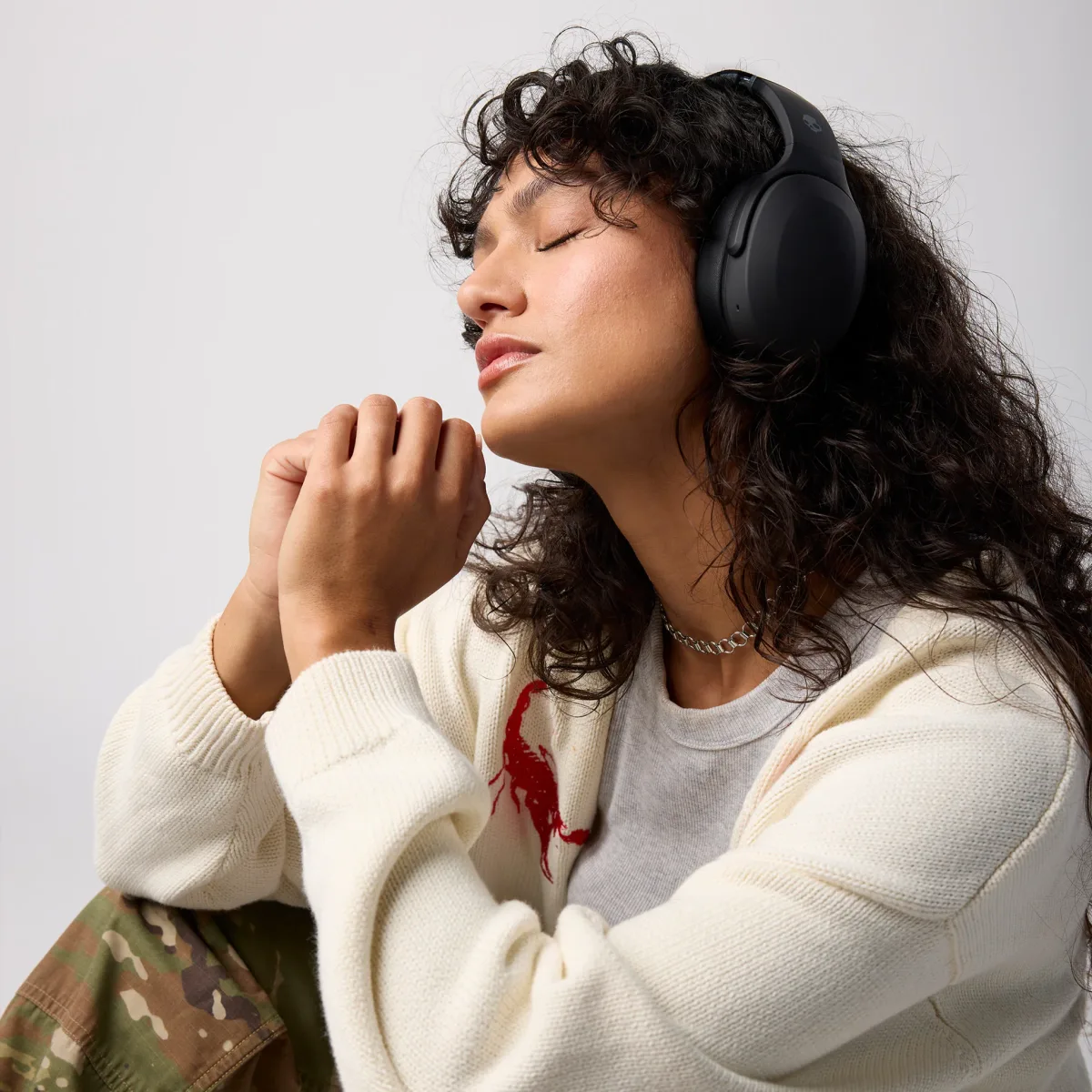

Our #1 pick: The Beats Studio Pro pairs USB-C lossless audio with 40-hour battery at a price that undercuts every premium competitor.
Check Price on Amazon#3: JBL Tune 520BT — Marathon Battery at the Budget Tier
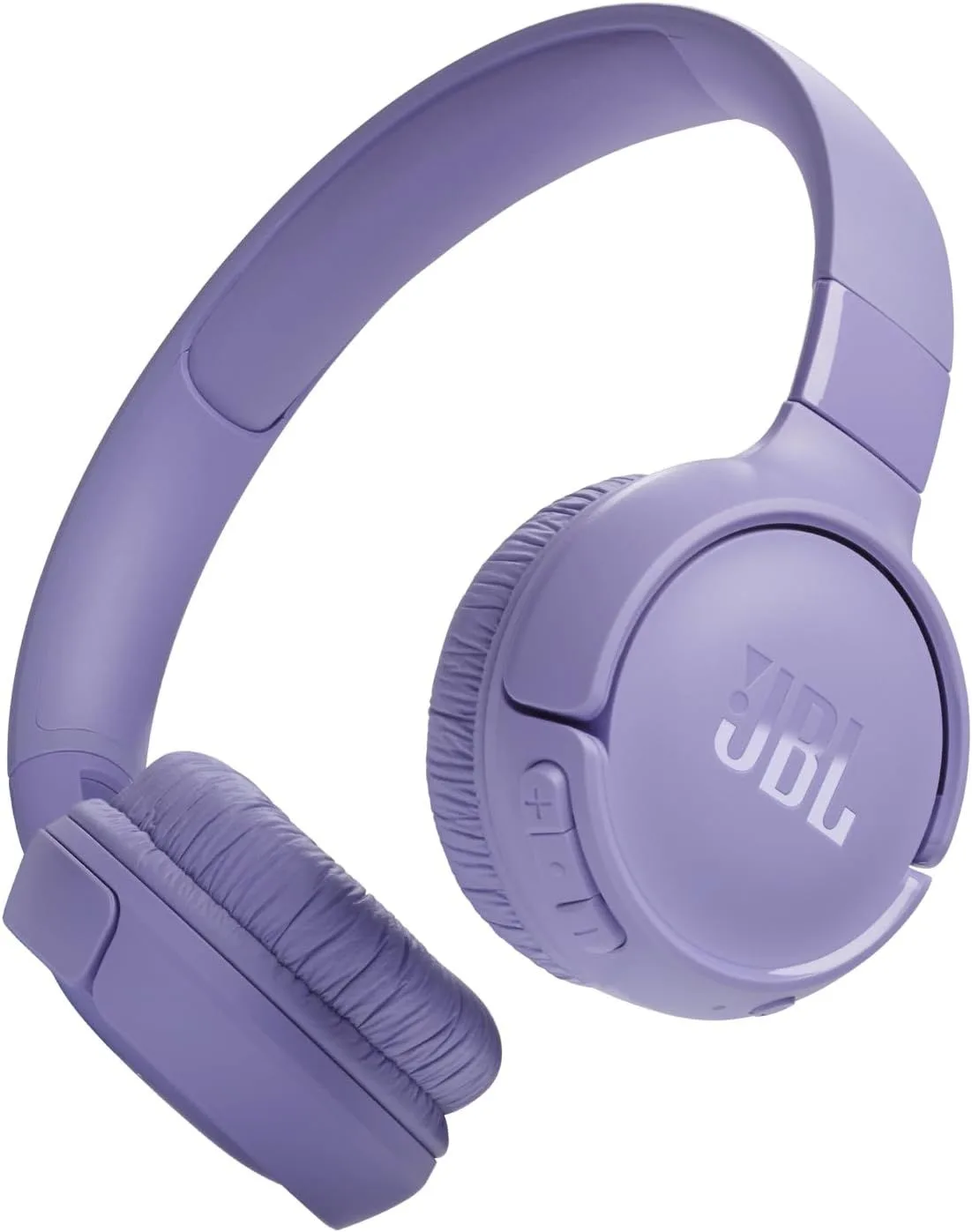
The JBL Tune 520BT answers a straightforward question: what is the most headphone you can get for around sixty dollars? The answer includes a 57-hour battery that outlasts headphones costing three and four times as much, Bluetooth 5.3 multipoint that connects two devices simultaneously — a feature that was a premium exclusive two years ago — and JBL's signature tuning that keeps casual listening engaging across pop, podcasts, and video calls. At 160 grams and foldable, it disappears into a jacket pocket or the front compartment of a backpack. No other headphone in this price range matches the combination of battery, multipoint connectivity, and portability.
The JBL app unlocks a 10-band parametric EQ that gives this budget headphone more tuning flexibility than several mid-range competitors offer. Out of the box, the JBL Tune 520BT leans slightly bass-forward with a smooth midrange — pleasant for casual listening but lacking the resolution to reveal details in complex orchestral passages or densely layered production. That is an expected limitation at this price, not a flaw. For podcast listeners, the vocal clarity is above average, and the multipoint feature means you can stay connected to a laptop and phone simultaneously without the manual re-pairing ritual that cheaper Bluetooth headphones require.
Comfort requires a caveat. The JBL Tune 520BT uses an on-ear design rather than the over-ear cups of the other picks on this list. The pads sit directly on the outer ear instead of surrounding it, which creates pressure after extended sessions. Multiple Amazon reviewers and RTINGS testing confirm discomfort emerging between 90 minutes and two hours of continuous wear, with the clamping force being the primary complaint. If you plan to wear headphones for short bursts — a commute, a gym session, desk work with breaks — the on-ear fit is manageable. For four-hour study marathons or full workday wear, the Beats Studio Pro or Skullcandy Crusher Evo are better suited despite their higher cost.
There is no ANC and no meaningful passive noise isolation. The on-ear design leaks sound in both directions — people around you will hear your music at moderate volumes, and ambient noise bleeds through freely. This makes the JBL Tune 520BT a poor choice for noisy commutes, open offices with conversations, or airplane travel. It thrives in controlled environments: home listening, quiet libraries, solo walks in suburban neighborhoods, or gym sessions where awareness of your surroundings is desirable rather than a limitation.
The USB-C charging port is positioned on top of the right ear cup — an ergonomic oddity that makes charging while wearing the headphone awkward. It is a minor annoyance given the 57-hour battery means you will rarely need to charge mid-session. JBL built the JBL Tune 520BT as a high-volume, low-margin product, and the design choices reflect that priority: maximize the specs that show up on a comparison chart (battery, multipoint, codec support) while accepting compromises in comfort and isolation that keep costs down.
For students, casual listeners, and anyone who wants reliable wireless audio without a large investment, the JBL Tune 520BT delivers more value per dollar than any other headphone we have tested in 2026. The 57-hour battery life and multipoint connectivity alone justify the asking price — every other feature is a welcome bonus at this budget tier.
Read our full review for comfort measurements, EQ tuning recommendations, and multipoint connection reliability testing.
Check Price on AmazonHow We Chose
Every headphone on this list was evaluated against five weighted criteria tailored to how lifestyle-focused listeners actually shop: sound quality and tuning character (30%), battery life and charging convenience (25%), comfort for sessions exceeding two hours (20%), build quality and design appeal (15%), and value relative to its price tier (10%). We weighted sound quality highest because buyers in this category are choosing headphones for how they sound and look — not for how much airplane noise they block.
Data sources include measured frequency response curves from RTINGS (the most rigorous independent headphone testing lab), long-form expert reviews from SoundGuys, What Hi-Fi, and Tom's Guide, plus real owner data from Amazon (58,000+ combined ratings across all three products), Reddit r/headphones, and Head-Fi forums. We cross-referenced expert sound quality impressions against real-world durability complaints — which is why the Skullcandy Crusher Evo's earpad degradation issue affects its ranking despite an exceptional 4.7-star average from nearly 19,000 owners.
Rankings reflect the current market as of early 2026. When prices shift or new firmware updates change audio performance, we update this page. We do not accept payment, free products, or early access in exchange for placement — every recommendation is based on publicly available data. One deliberate scope note: this roundup excludes ANC-first headphones. If deep noise cancellation is your priority, our ANC-focused roundup covers that category with seven ranked picks.
A note on rating methodology: Amazon star ratings carry weight in our analysis, but we adjust for sample size and recency. The Skullcandy Crusher Evo's 4.7-star average from 18,800+ reviews is statistically more stable than a product with 500 reviews at the same rating. We also track negative review clusters — when multiple 1-star reviews mention the same defect within a three-month window, that signals a manufacturing batch issue rather than isolated bad luck. For this roundup, the most common complaint cluster across all three products was earpad wear, which we address in the buying guide below.
Buying Guide: What to Look For
Sound Signature: Warm, Neutral, or V-Shaped
Every headphone has a tuning personality. Warm signatures (the Beats Studio Pro) emphasize bass and lower midrange — they sound rich and full, flattering for vocals and acoustic instruments. V-shaped signatures (many budget models) boost bass and treble while recessing the midrange — energizing for electronic music but fatiguing over long sessions. Neutral signatures attempt a flat frequency response that reproduces recordings as the engineer intended. Most lifestyle headphones lean warm or V-shaped because those profiles are more immediately pleasing to casual listeners. If you mostly stream pop, hip-hop, or electronic genres, a warm tuning will serve you well. Classical and jazz listeners benefit more from neutral options — our music listening guide covers genre-matched recommendations in depth.
Battery Life: What the Numbers Actually Mean
Manufacturer battery claims assume moderate volume (50-60%), room temperature, and standard Bluetooth codecs. Real-world usage with higher volume, outdoor cold, or high-bitrate codecs reduces runtime by 10-20%. The Skullcandy Crusher Evo is a notable exception — its tested battery of 66 hours exceeds the 40-hour claim by a wide margin. The JBL Tune 520BT holds close to its 57-hour spec in independent testing. The Beats Studio Pro delivers roughly 36-38 hours in practice with ANC on, which still translates to charging once per week for most daily listeners. Quick charge capability varies: the Beats Studio Pro returns 4 hours from a 10-minute charge, while the Skullcandy Crusher Evo delivers 3 hours from the same duration.
Comfort: On-Ear vs Over-Ear Fit
The distinction matters more than most buyers realize. Over-ear headphones (the Beats Studio Pro and Skullcandy Crusher Evo) have cups that surround the entire ear, distributing pressure across the temporal bone rather than directly on the ear cartilage. On-ear designs (the JBL Tune 520BT) press pads against the outer ear, which is lighter and more portable but creates hotspots after 60-90 minutes. Weight compounds the difference: the 160-gram JBL Tune 520BT feels featherlight compared to the 308-gram Skullcandy Crusher Evo, but the on-ear pressure can outweigh the weight advantage during extended sessions. If you wear headphones for more than two hours at a stretch, over-ear designs are almost always the better choice for sustained comfort.
Bluetooth Codecs and Audio Quality
The Bluetooth codec your headphone supports determines the maximum audio quality over wireless. AAC (256kbps) is the default for iPhone and delivers good quality for most streaming services. aptX HD (the Beats Studio Pro) supports higher bitrates on Android devices, producing audible improvements in instrument separation and bass definition on complex tracks. SBC is the universal fallback — functional but noticeably compressed on demanding content. USB-C wired audio bypasses Bluetooth entirely, delivering lossless quality directly from your source. The Beats Studio Pro is the only headphone on this list with USB-C lossless capability, making it the pick for listeners who own high-resolution music libraries or subscribe to lossless streaming tiers.
Wireless Range and Connection Stability
All three picks use Bluetooth 5.0 or newer, which provides a theoretical range of 30-50 feet indoors with walls and obstacles. In practice, connection stability depends more on codec and interference than Bluetooth version. The JBL Tune 520BT with Bluetooth 5.3 maintains the most stable connection in crowded RF environments — useful in apartment buildings and busy offices where dozens of Bluetooth devices compete for spectrum. The Skullcandy Crusher Evo on Bluetooth 5.0 occasionally stutters in dense urban environments according to owner reports, though firmware updates have improved stability since launch. Multipoint connections (the JBL Tune 520BT and Beats Studio Pro) add a layer of complexity — switching between two connected devices sometimes introduces a 1-2 second audio gap that is noticeable during music but irrelevant for podcast listening.
Design and Build: Plastic vs Premium Materials
All three picks on this list use predominantly plastic construction — a standard material choice at their respective price tiers. The Beats Studio Pro uses a soft-touch matte finish with metal hinge reinforcements that give it a more premium feel than its competitors. The Skullcandy Crusher Evo is entirely plastic with a slightly wider headband that distributes its heavier weight. The JBL Tune 520BT prioritizes portability with a thin, foldable frame that tucks flat for travel. None of these headphones will match the aluminum and stainless steel construction of premium models like the AirPods Max in hand — that is a material and weight gap that corresponds directly to the price gap between tiers. For long-term durability, the most common failure point across all plastic headphones remains the hinge mechanism and earpad adhesive degradation over 12-24 months of consistent daily use.
Who Should Pick Which Headphone
Matching the right headphone to the right listener matters more than chasing the highest-ranked pick. If you want the most complete feature set at this price — USB-C lossless, cross-platform codec support, 40-hour ANC battery, and a design that works in professional settings — the Beats Studio Pro at #1 is the answer. It does more things well than any other headphone here, with the mild ANC serving as a bonus rather than a selling point.
If bass is the core of your listening experience and you want to feel your music physically, the Skullcandy Crusher Evo at #2 is the only option. No other headphone replicates the haptic bass feature, and the 66-hour real-world battery means you will almost never think about charging. Accept the weight and lack of ANC as inherent to the design — Skullcandy traded those features for something unique.
Budget-conscious buyers, students, and anyone who needs a reliable daily wireless headphone without overthinking the purchase should look at the JBL Tune 520BT at #3. The 57-hour battery and Bluetooth multipoint connectivity at the budget tier remain unmatched. Keep expectations calibrated to the price: the on-ear fit limits long-session comfort, and there is no noise isolation. For short commutes, desk work, and casual listening in quiet spaces, it covers the essentials and saves the difference for other priorities.
Your Questions About Style-First Wireless Headphones
Are lifestyle headphones worth buying if they lack strong noise cancellation?
Yes, for many listeners. Lifestyle headphones prioritize sound character, battery endurance, and design over ANC depth. The Beats Studio Pro includes mild ANC but shines for its USB-C lossless audio and 40-hour battery. The Skullcandy Crusher Evo skips ANC entirely in favor of its patented haptic bass — a feature no ANC-focused headphone offers. If you mainly listen at home, in quiet offices, or while walking in low-noise areas, strong ANC adds cost without matching benefit.
What is haptic bass in headphones and how does it work?
Haptic bass uses a secondary driver or actuator that vibrates physically against your head in sync with low-frequency audio content. The Skullcandy Crusher Evo is the only mainstream headphone with this technology — it includes a physical slider on the ear cup that lets you dial the intensity from subtle vibration to aggressive tactile punch. The sensation is similar to standing near a large subwoofer at a live concert, scaled down to headphone size. It appeals most to EDM, hip-hop, and bass-heavy genre listeners who want to feel the music, not just hear it.
How long do wireless headphone batteries actually last compared to advertised specs?
Expect 80-90% of the advertised figure under typical daily use. The Skullcandy Crusher Evo claims 40 hours but independent testing measured 66 hours and 50 minutes — a rare case where reality exceeds the spec. The JBL Tune 520BT advertises 57 hours and holds close to that in practice. Higher volume, colder temperatures, and active Bluetooth codec negotiation reduce battery. USB-C fast charging on modern models restores several hours of playback from a 10-minute charge.
Can budget wireless headphones sound as good as premium models?
At the sub-$100 tier, sound quality has improved dramatically in the last three years. The JBL Tune 520BT delivers a tuning that satisfies casual listeners for music, podcasts, and video calls. Where premium models pull ahead: driver detail in complex passages, soundstage width, and codec support for high-resolution streaming. If you listen primarily to Spotify at default quality or watch YouTube, a budget pair covers 90% of what you need. Audiophile-grade streaming on Tidal or Apple Music Lossless benefits more from the Beats Studio Pro and its USB-C lossless path.
What does USB-C lossless audio mean for headphones?
USB-C lossless means the headphone can receive a digital audio signal through its USB-C port without Bluetooth compression. This bypasses the quality ceiling of wireless codecs like AAC (256kbps) or even LDAC (990kbps), delivering full CD-quality or higher audio directly from your phone or laptop. The Beats Studio Pro supports this at its price point — a feature typically reserved for headphones costing twice as much. You need a USB-C cable connected to a source with lossless content (Apple Music Lossless, Tidal HiFi, local FLAC files) to benefit.
Track Over-Ear Lifestyle Picks
We'll let you know when our picks for this category change.
Only when something changes. Unsubscribe anytime.
Our Top Pick
The Beats Studio Pro is our #1 recommendation — apple ecosystem users who want usb-c lossless audio, 40-hour battery, and lifestyle aesthetics without flagship anc demands.
Check Price: Beats Studio Pro