Headphones for Working Out: Gym, Running, and Cycling Picks
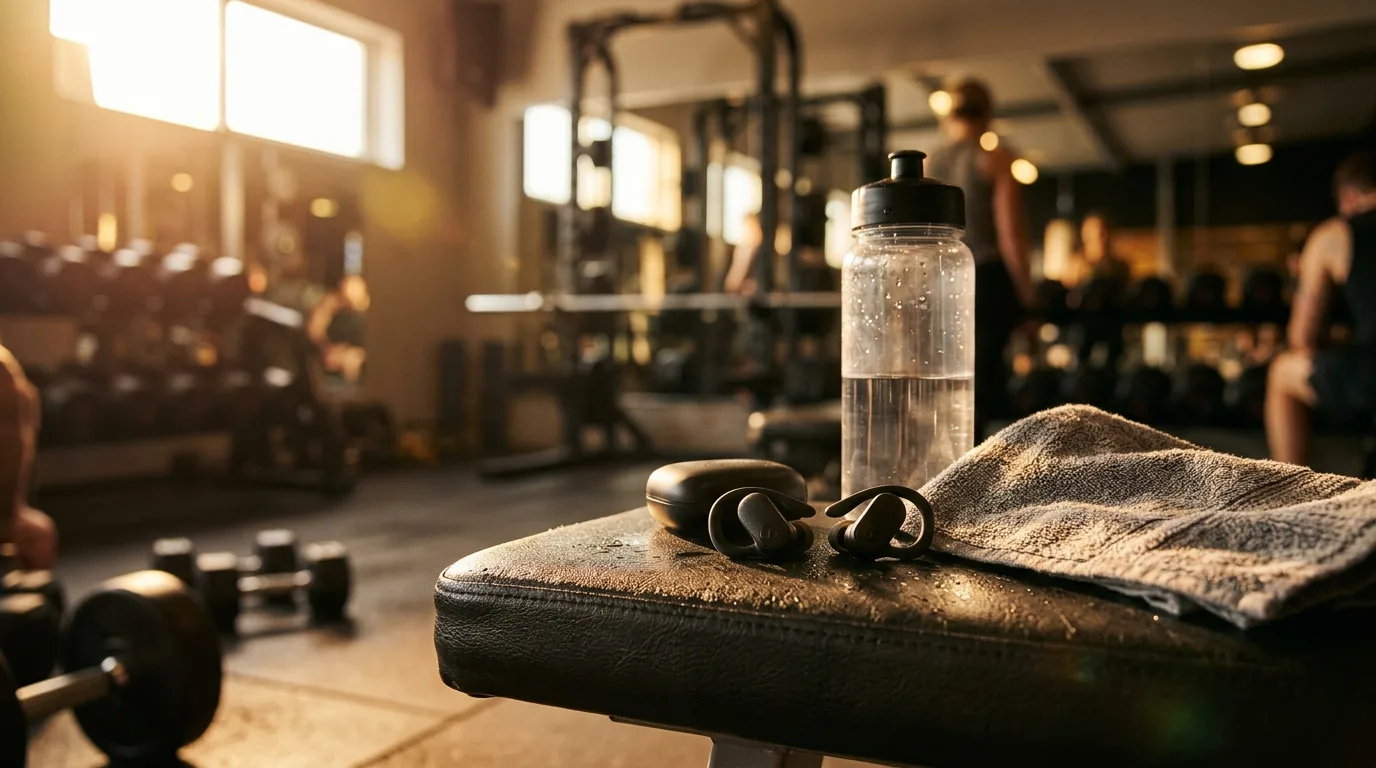
Workout headphones face stresses that no other listening environment creates — salt-laden sweat pouring into driver housings, sudden head movements that jar earbuds loose, and impact forces from box jumps and barbell cleans that test every retention mechanism. A headphone that sounds excellent at a desk may fail within weeks at the gym. The picks on this page were selected for the specific demands of athletic training: secure fit under movement, rated sweat protection, and audio quality that holds up when your heart rate crosses 160.
We cross-referenced IP protection ratings, fit retention data from RTINGS and SoundGuys, plus 55,000+ combined Amazon owner ratings filtered for fitness-specific mentions (gym, running, cycling, HIIT, CrossFit). Each pick below earns its spot through a specific athletic strength — open-ear safety for outdoor training, wing tip lock for explosive movements, or IP57 submersion tolerance for athletes who train through any weather condition.
Workout Headphone Selection Criteria
Why Working Out Puts Headphones Through a Harder Test
Gyms destroy headphones. And they do it fast. Workout headphones must survive repeated exposure to moisture, impact, and body heat that home and commute listening never produces. Gym sessions, outdoor runs, and cycling rides generate physical stresses — sweat corrosion, footstrike jolts, and wind exposure — that expose design weaknesses within weeks rather than the years a desk headphone might last.
Sweat is the primary destroyer. Human sweat contains 0.9% sodium chloride — the same compound that corrodes ship hulls. During a 60-minute high-intensity session, an average adult produces 800 to 1,400 milliliters of sweat.
That is a daily saltwater bath.
Some of that liquid enters the ear canal, wicks along earbud stems, and pools around charging contacts and driver membranes. Without an IP rating of at least IPX4, the internal electronics have no engineering protection against this exposure. Headphones marketed for "light exercise" without a published IP rating are gambling on luck, not engineering.
Fit security is the second failure mode. A jog produces roughly 1.5 G of vertical force per footstrike. A box jump generates 3-5 G on landing.
Burpees combine lateral, vertical, and rotational forces in rapid sequence. Standard friction-fit earbuds rely on the ear canal's shape to hold them in place — a design that works at rest but fails under the multi-axis forces of athletic movement. The result is the mid-set earbud adjustment that every gym-goer recognizes: pulling off a glove, fishing out the loose earbud, re-seating it, and losing focus during a working set.
What Separates a Workout Headphone From a Regular One
Three specs predict whether a headphone survives athletic use. Just three. Sound quality matters, but these three determine whether the headphone stays in your ears, stays alive after sweat exposure, and keeps you safe during outdoor training.
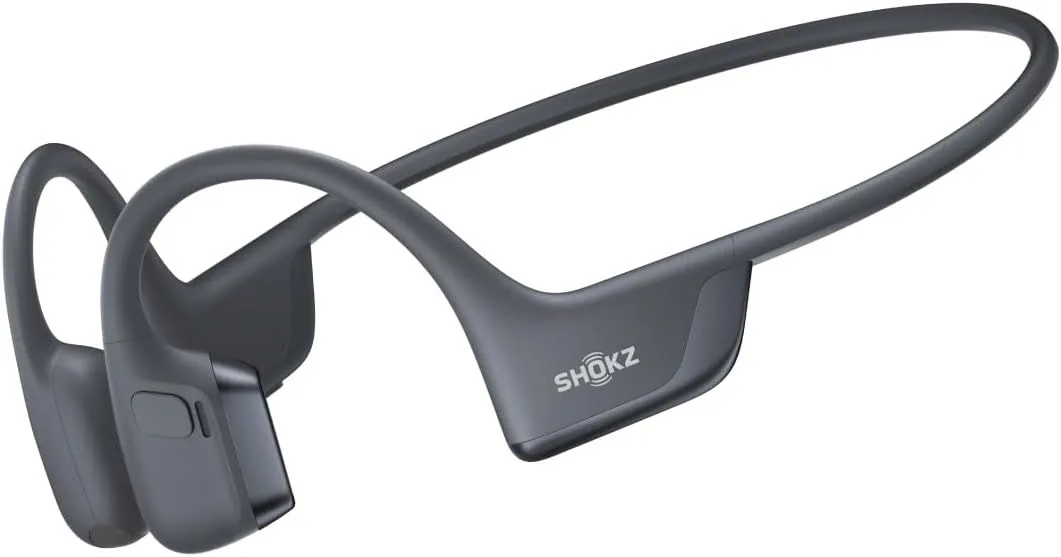
IP water resistance rating. IPX4 is the floor — anything below it has not been certified for splash protection, and sweat is more corrosive than rain because of its salt content. IP55 (the Shokz OpenRun Pro 2) adds dust ingress protection and survives sustained low-pressure water jets from any angle. IP57 (the Samsung Galaxy Buds3 Pro) adds brief shallow immersion tolerance. The practical difference between IPX4 and IP55 for gym use is small. The difference between IPX4 and no rating is the difference between a headphone that lasts 18 months and one that develops crackling audio in 4 months.
Retention mechanism under movement. Three designs exist: friction-fit silicone tips (standard earbuds), wing tips that hook the outer ear cartilage, and wraparound bands that bypass the ear canal entirely. Friction-fit works for walking and light cycling. Wing tips like the Beats Fit Pro lock into the concha of the outer ear, adding rotational stability that survives box jumps and sprints. Wraparound bands like the Shokz OpenRun Pro 2 sit behind the head on a titanium frame — physically impossible to dislodge during any movement pattern. Match the retention mechanism to your training intensity: the more explosive the movement, the more secure the fit needs to be. Our full bone conduction review covers the biomechanics of the wraparound fit.
Ambient awareness for outdoor safety. Running on roads, cycling in traffic, and training on shared trails all require hearing your environment. Bone conduction headphones leave the ear canal completely open — you hear a car horn at the same instant you would without headphones, with zero processing delay. Sealed earbuds use electronic transparency modes that capture ambient sound through microphones and play it back through the drivers, adding 5-15 milliseconds of latency and some microphone artifacts. For road running and cycling where a split-second reaction matters, bone conduction provides an irreducible safety advantage. For gym training where ambient awareness is convenience rather than survival, electronic transparency is more than adequate.
Top Picks for Working Out
- Shokz OpenRun Pro 2 — Best overall for outdoor workouts and running
- Beats Fit Pro — Best locked-in fit for HIIT and gym training
- Apple AirPods Pro 3 — Best all-around for mixed workout and daily use
- Samsung Galaxy Buds3 Pro — Best water resistance for extreme sweat conditions
- Beats Studio Buds+ — Best budget cross-platform workout earbud
Shokz OpenRun Pro 2 — Open-Ear Safety for Every Outdoor Mile
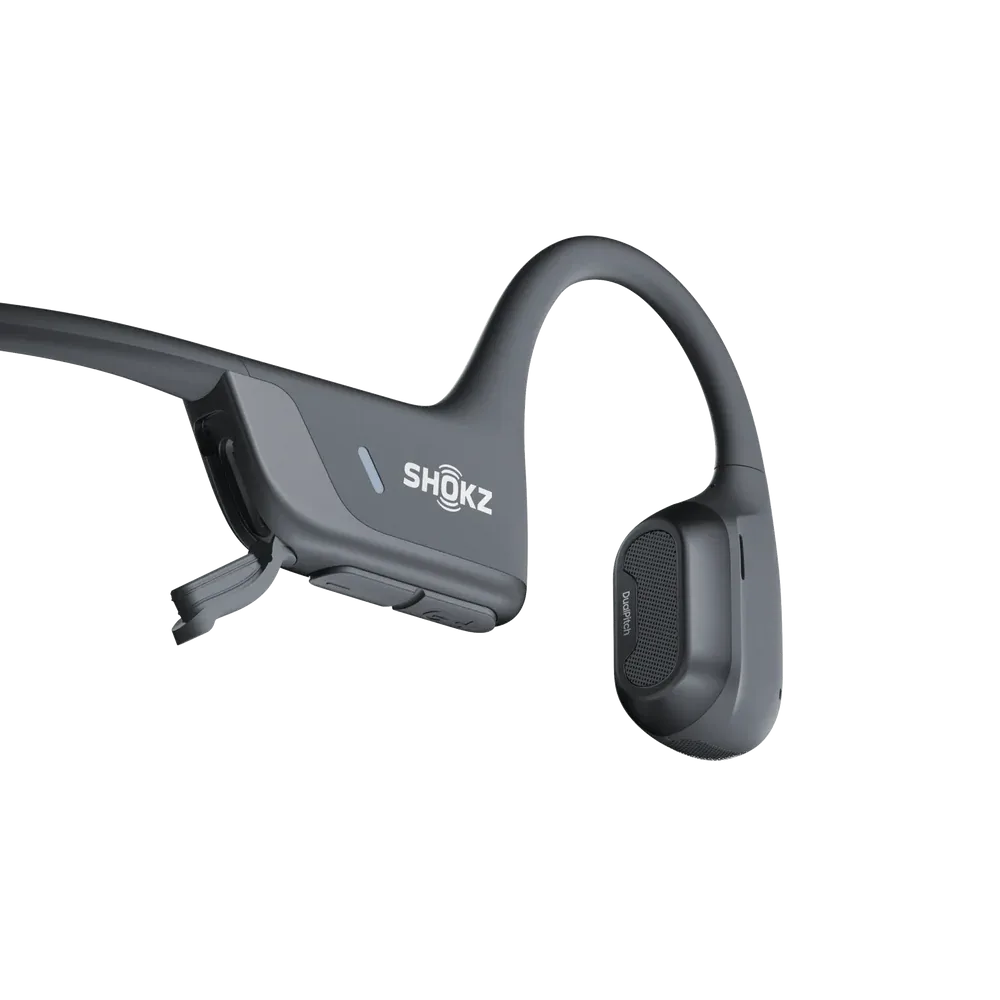
The Shokz OpenRun Pro 2 is the headphone we reach for on every outdoor run, road cycling session, and trail workout. Bone conduction transducers vibrate the cheekbones to deliver audio while leaving both ear canals completely open — you hear traffic, trail hazards, and other runners without removing anything or pressing a transparency button. For athletes who train on shared roads, this is not a feature preference. It is a safety requirement.
DualPitch technology pairs the bone conduction transducer with a dedicated air conduction bass driver, solving the thin-and-trebly sound that made earlier bone conduction models hard to enjoy during long runs. SoundGuys called it "the most impressive bass from any bone conduction headphone." The 12-hour battery outlasts every sport earbud on this list — enough for an ultramarathon without a mid-race charge. At approximately 29 grams, the titanium wraparound band distributes pressure across the temples and sits behind the ears with zero ear canal contact. Multiple ultramarathon runners confirm comfortable wear past 6 hours.
IP55 covers sweat and rain for all land-based training. USB-C charging replaces the proprietary connector from older Shokz models, so any phone charger works. The weakness: wind noise. The air conduction bass driver picks up wind interference during runs above moderate pace and cycling at speed. Podcast listeners report speech becoming unintelligible in gusts. For music at reasonable volume, the wind impact is tolerable. For spoken word during windy outdoor sessions, sealed earbuds handle wind better. See the wing tip alternative review if wind is a regular factor in your training environment.
Check Price on AmazonBeats Fit Pro — Wing Tip Lock for Explosive Movements
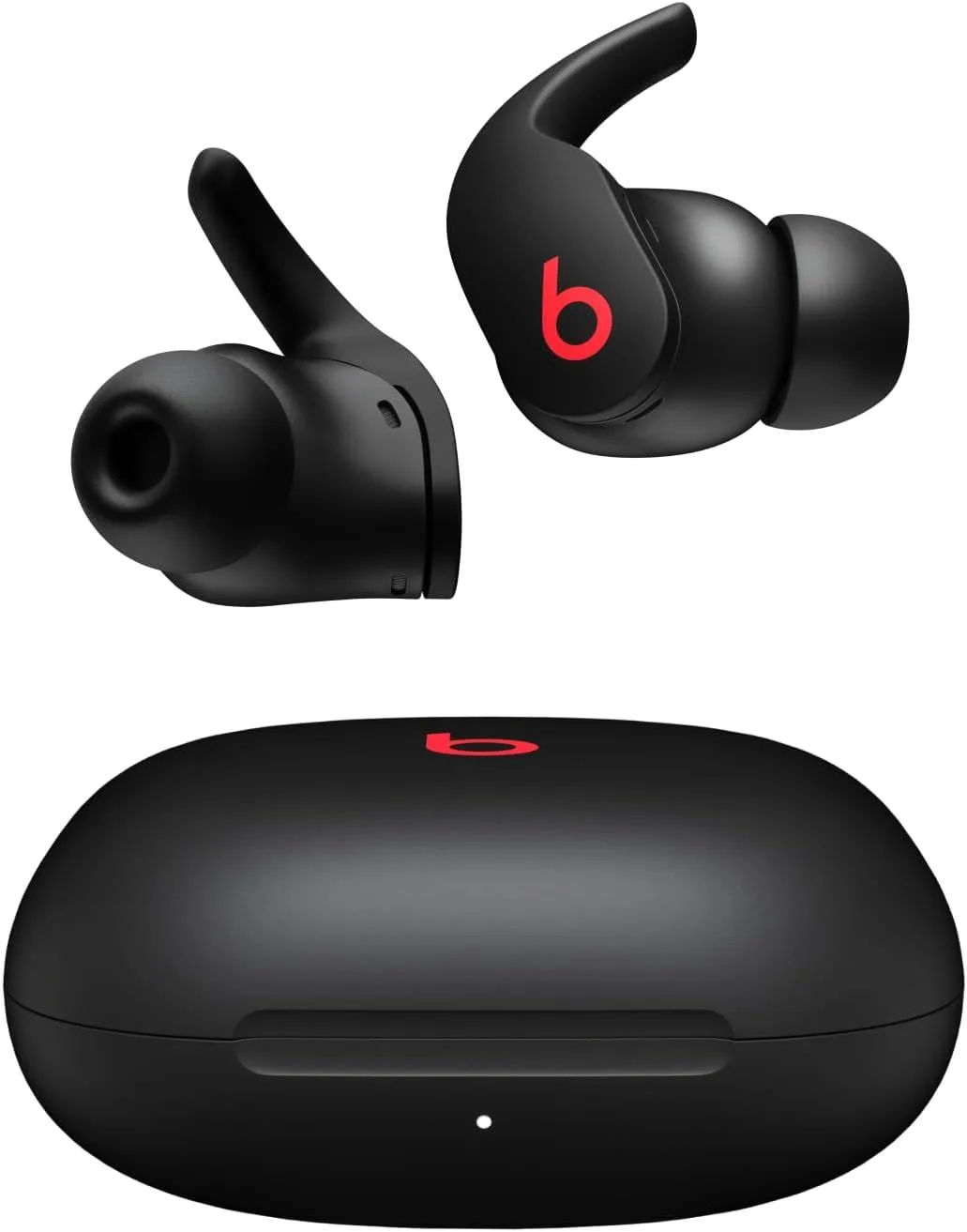
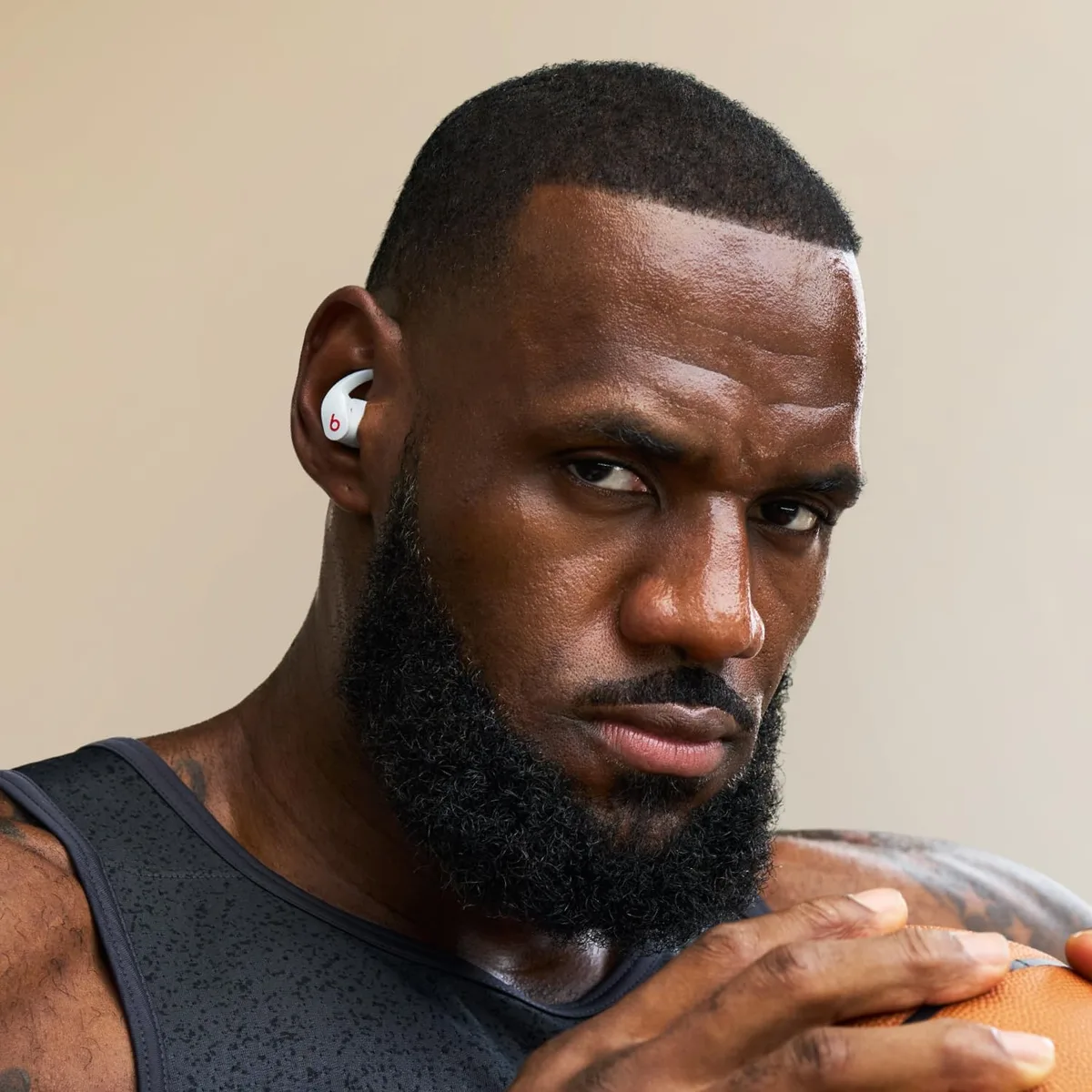
The Beats Fit Pro solves the one problem that disqualifies most earbuds from serious gym use: they fall out mid-set. The flexible silicone wing tip hooks into the outer ear cartilage and applies constant outward pressure that keeps each earbud locked through box jumps, burpees, kettlebell swings, and overhead presses. Tom's Guide called them "Apple's best workout headphones." Multiple reviewers confirmed stable fit through 3-hour runs and high-intensity interval sessions where standard ear tips failed.
Apple's H1 chip delivers adaptive ANC that blocks gym soundtrack bleed, clanking plates, and treadmill motor hum — sounds you did not choose and do not want competing with your training playlist. Transparency mode opens up ambient awareness between sets or during outdoor running segments. IPX4 handles heavy gym sweat with no widespread moisture failure reports in owner data. Six hours of battery with ANC active covers any standard training session, and the case adds 18 additional hours. The absence of wireless charging on the case is the most frequent owner complaint.
The wing tip has a comfort ceiling. That constant outward pressure that locks the earbuds during a 60-minute workout becomes noticeable for some users past 2-3 hours. If your training regularly exceeds 2 hours, the Shokz OpenRun Pro 2 delivers superior long-session comfort because nothing enters the ear canal. For sessions under 90 minutes — which covers most gym workouts, HIIT classes, and standard training runs — the wing tip holds without fatigue. Compare the AirPods Pro 3 and Galaxy Buds3 Pro if you want sealed earbuds without the wing mechanism.
Check Price on AmazonApple AirPods Pro 3 — The Do-Everything Training Companion
One pair for everything. Not every athlete wants separate gym headphones and daily headphones. The Apple AirPods Pro 3 bridges that gap — strong enough ANC for gym isolation, adaptive transparency for outdoor running awareness, and a form factor that transitions from the weight room to the commute without swapping gear. Apple's H2 chip processes 48,000 ANC adjustments per second, and Adaptive Audio automatically blends cancellation and transparency based on your movement and environment.
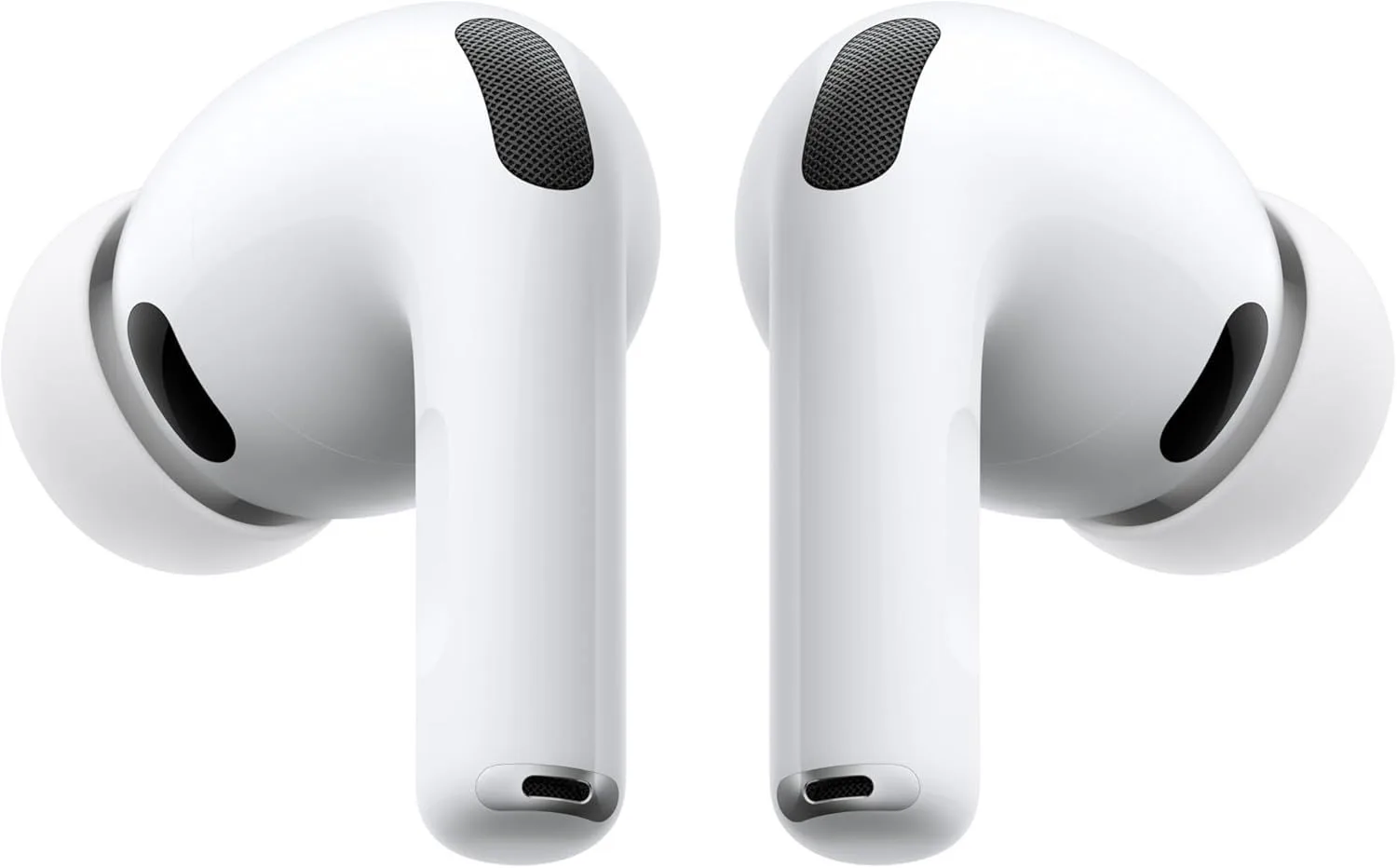
IPX4 sweat resistance handles standard workout moisture. The silicone ear tips create a canal seal tighter than the standard AirPods friction fit, and most runners report stable retention during steady-pace runs. High-impact movements (box jumps, jump rope, snatches) can unseat the tips for ear shapes where the canal friction is marginal — the Beats Fit Pro's wing tip provides more mechanical security for those training styles. Eight hours of battery per charge with the case extending to 33 hours total means the same pair handles morning training and a full workday of listening. For iPhone users, the ecosystem integration — automatic device switching, spatial audio, Find My — adds daily convenience that sport-only headphones lack. Read the full AirPods Pro 3 breakdown for ANC and fit measurements.
Check Price on AmazonSamsung Galaxy Buds3 Pro — Maximum Water Protection
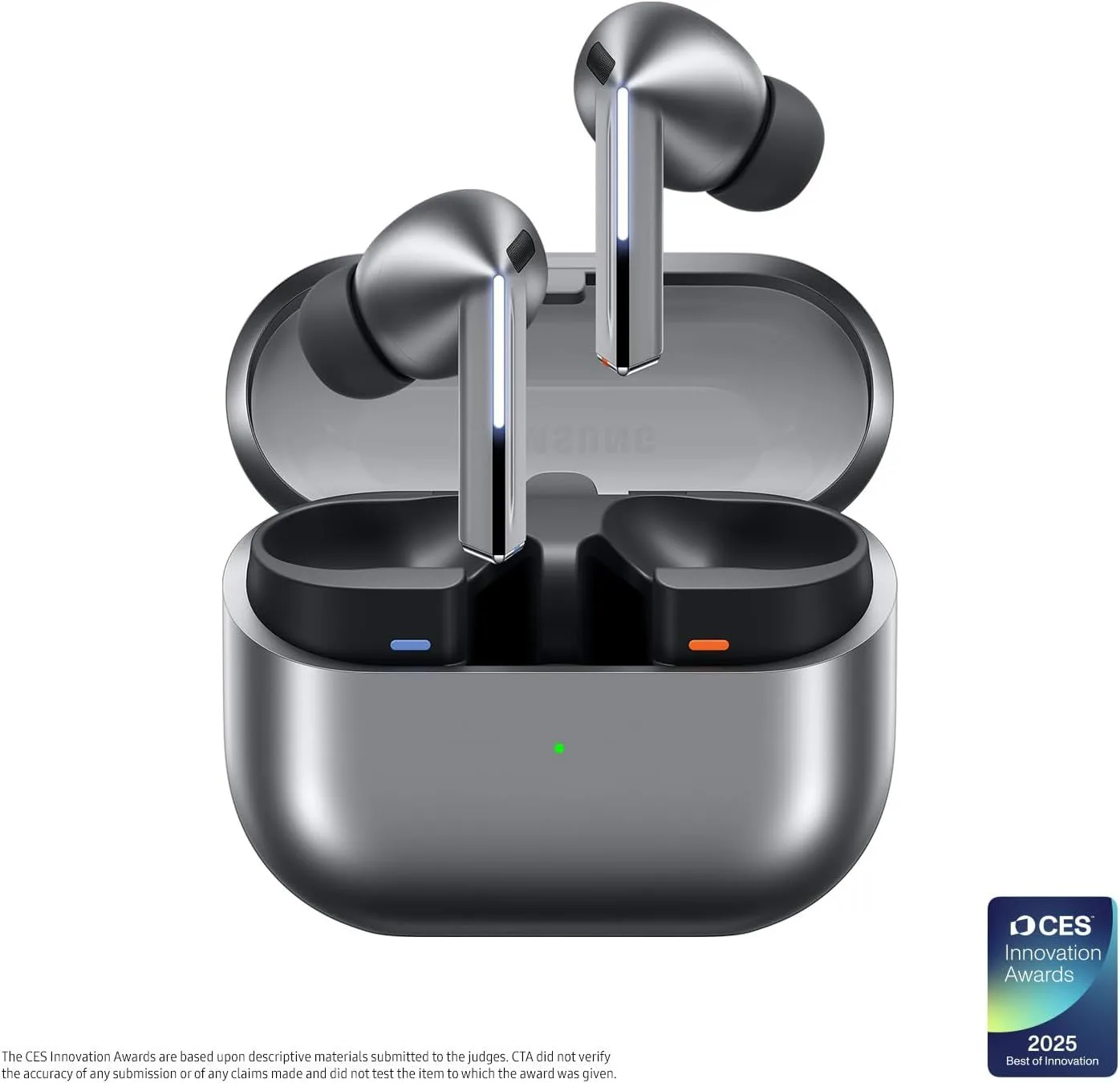
IP57 is the highest water resistance rating on this list. The second digit — 7 — means the Samsung Galaxy Buds3 Pro survived immersion in 1 meter of water for 30 minutes during certification testing. For athletes who train through rainstorms, run through puddle-heavy routes, or produce extreme sweat volumes during hot-weather HIIT, that rating provides measurable margin above the IPX4 floor that most sport earbuds carry. The first digit — 5 — adds dust ingress protection for dusty trail running and outdoor CrossFit environments.
Samsung's adaptive ANC with 360 Audio processing delivers noise cancellation and spatial sound that competes with the Apple AirPods Pro 3. The blade-style design sits flatter in the ear than traditional stem earbuds, reducing the chance of snagging on shirt collars or towels during gym sets. Galaxy phone users get automatic switching and full SmartThings integration. The limitation versus the Beats Fit Pro: no wing tip retention. The Samsung Galaxy Buds3 Pro relies on silicone ear tip friction, which holds for most ear shapes during moderate movement but may shift during explosive vertical movements. For heavy-sweat athletes who want the highest moisture protection available in a premium earbud, this is the pick.
Check Price on AmazonOur #1 workout pick delivers open-ear safety, 12-hour battery, and a titanium fit that never shifts.
Read Our Top Pick Review
Tips for Different Workout Types
Gym lifting and strength training. Sealed earbuds with ANC block the gym's overhead music and plate noise so you can focus during heavy sets. Wing tip retention (the Beats Fit Pro) stays locked through bench press, overhead press, and squat movements where the barbell bar passes near the ears. Bone conduction works for lighter gym sessions but competes with ambient noise in busy commercial facilities. Between sets, transparency mode lets you hear a spotter or training partner without removing an earbud. Wipe earbuds and case contacts after every session — salt from hand chalk and sweat accelerates corrosion on charging pins.
Treadmill and indoor running. Treadmill running produces the same footstrike forces as outdoor running without the wind or traffic. Any retention mechanism that holds outdoors also holds indoors. The advantage of indoor running: sealed earbuds with ANC perform at their best because there is no wind noise to defeat transparency mode and no traffic that requires ambient awareness. The Apple AirPods Pro 3 and Samsung Galaxy Buds3 Pro both deliver strong isolation from gym floor noise while maintaining stable fit at running pace. Battery demands are lower for indoor sessions — even the 6-hour Beats Fit Pro covers any realistic treadmill workout.
Outdoor running and trail running. Road running demands ambient awareness. No exceptions. You need to hear approaching vehicles, cyclists calling "on your left," and intersection traffic signals. Bone conduction is the safest option because awareness is physical, not electronic. The Shokz OpenRun Pro 2 was engineered specifically for this scenario — lightweight, sweat-resistant, and impossible to dislodge at any running pace. If you prefer sealed earbuds for sound quality, use transparency mode and keep volume moderate enough to hear your surroundings. Trail runners face the additional challenge of uneven footing — any earbud adjustment mid-stride on a technical trail creates a stumble risk. The wraparound band eliminates that concern entirely.
Sport-Specific Considerations
Cycling (road and indoor). Road cycling at speed amplifies wind noise beyond what any headphone handles gracefully. Bone conduction's air conduction bass driver is susceptible to wind interference above 20 km/h. Sealed earbuds with ANC reduce wind noise but also block traffic sounds — a dangerous compromise on public roads. Many road cyclists use bone conduction at lower volume as a safety-first compromise, accepting degraded audio quality during fast descents. Indoor cycling on a trainer eliminates all wind and traffic concerns, making sealed ANC earbuds the superior choice — full sound isolation, no wind artifacts, and stable fit on a stationary platform.
CrossFit and functional fitness. CrossFit WODs combine running, jumping, lifting, and gymnastics movements in unpredictable sequences. The headphone needs to survive rope climbs, wall balls, handstand push-ups, and ring muscle-ups without shifting.
Wing tip earbuds handle most movements. Bone conduction handles all of them, including inverted positions that gravity-test every friction-fit earbud. The open-ear design also lets you hear coach cues and countdown timers during class — pulling out an earbud to hear "3, 2, 1, go" defeats the purpose. For group fitness environments where instruction matters, bone conduction's always-on awareness is the better fit.
HIIT and circuit training. High-intensity intervals alternate between maximum effort and brief recovery. Sweat output peaks during these sessions — often exceeding casual gym training by 40-60% per hour. IP rating matters more here than in any other training style. The Samsung Galaxy Buds3 Pro at IP57 provides the most protection for athletes who regularly soak through their shirt by round three. Fit security also faces its hardest test during HIIT: burpees produce multi-axis forces that combine vertical drop, lateral push-up, and explosive jump in a single repetition. Wing tips or wraparound bands are the only retention mechanisms reliable through repeated burpee sets.
Our Top Pick for Working Out
The Shokz OpenRun Pro 2 is the headphone we recommend for most athletes. Open-ear bone conduction provides ambient safety that no sealed earbud can match. The titanium wraparound band sits behind the head at 29 grams and physically cannot dislodge during any movement — running, jumping, cycling, or inverted gymnastics positions. IP55 sweat resistance handles daily training. The 12-hour battery outlasts every sport earbud on the market. And DualPitch bass makes it the first bone conduction headphone that does not sound like a compromise.
For gym-focused athletes who train primarily indoors, the Beats Fit Pro delivers wing tip security and ANC isolation that blocks the sounds you did not choose. The Apple AirPods Pro 3 bridges workout and daily use for iPhone users who want one pair for everything. And the Samsung Galaxy Buds3 Pro at IP57 provides the highest water resistance for extreme-sweat athletes and rainy-weather runners. Pick based on where you train, how you move, and how much sweat your sessions produce. Our full sport headphone rankings cover the broader category for athletes still narrowing their options.
Workout Headphone Questions
What IP rating do headphones need for heavy gym sweat?
IPX4 is the minimum viable rating for workout headphones — it protects against splashing water from any direction, which covers heavy sweat and light rain. IP55, the rating on the Shokz OpenRun Pro 2, adds dust protection and handles sustained low-pressure water jets, giving it more margin for outdoor training in mixed conditions. IP57 on the Samsung Galaxy Buds3 Pro adds brief shallow submersion protection. For most gym and running use, IPX4 or higher is sufficient. No rating below IPX4 should be trusted for athletic use — even IPX2 (dripping water at a 15-degree tilt) fails under the volume of sweat produced during a hard interval session.
Do bone conduction headphones work well at the gym?
Bone conduction headphones like the Shokz OpenRun Pro 2 work at the gym but with a meaningful trade-off. The open-ear design lets you hear coaches, spotters, and rack announcements without removing anything — a genuine advantage in group training environments. The downside: gym background noise (clanking plates, treadmill motors, overhead music) competes directly with bone conduction audio because nothing blocks it from reaching your ears. At busy commercial gyms, you may need to push volume higher than comfortable to hear podcasts or quieter music. For loud gyms, sealed earbuds with ANC like the Beats Fit Pro or Samsung Galaxy Buds3 Pro block ambient interference and let you listen at lower, safer volumes.
Will AirPods fall out during running or HIIT workouts?
Standard AirPods (without Pro tips) rely on a one-size friction fit that slips for roughly 25-30% of ear shapes during vigorous movement. The Apple AirPods Pro 3 improves retention with silicone ear tips that create a canal seal, and most runners report stable fit during steady-state running. High-impact movements — burpees, box jumps, rope slams — introduce vertical G-forces that test any friction-only design. The Beats Fit Pro adds a wing tip that hooks into the outer ear cartilage, providing mechanical retention that physics cannot unseat. If standard earbuds have failed you during high-intensity training, wing tip or over-ear hook designs solve the problem through a different retention approach.
Can sweat permanently damage wireless earbuds?
Yes. Sweat is saltwater — it corrodes charging contacts, degrades silicone seals, and attacks speaker membranes over time. Even IPX4-rated earbuds accumulate salt residue inside the driver housing if not cleaned after workouts. The failure mode is gradual: one earbud develops crackling audio after 6-12 months, then stops charging. Prevention is straightforward — wipe earbuds and charging contacts with a damp cloth after every session, store dry (never seal wet earbuds in a closed case), and replace silicone tips every 3-4 months. The Shokz OpenRun Pro 2's open design avoids ear canal moisture entirely, which removes one corrosion vector that sealed earbuds face.
Are over-ear headphones good for working out?
For most workouts, no. Over-ear headphones trap heat against the ears, slide during lateral and inverted movements, and lack water resistance ratings needed for sweat exposure. The headband catches on barbell pads during squats and presses. None of the major over-ear models (Sony, Bose, Sennheiser) carry an IP rating for moisture. The one exception is stationary cycling on an indoor trainer — minimal head movement, controlled temperature, and no equipment interference. For every other gym and outdoor workout, earbuds or bone conduction headphones are the practical choice. Our <a href="/best-sport-open-ear/">sport headphone roundup</a> covers the best options designed specifically for athletic use.
Our Top Recommendation
Based on our research, the Shokz OpenRun Pro 2 is our top pick — safety-conscious runners, cyclists, and hikers who need ambient awareness while listening to music.
Get Our Top 3 Picks
Get our top 3 picks for your budget — one email, then only updates.
Only when something changes. Unsubscribe anytime.