Headphones for Music: Wireless Picks for Serious Listeners

A studio monitor reproduces a recording exactly as the engineer mixed it — flat, honest, uncolored. A car stereo boosts bass and treble to compensate for road noise and cabin resonance. Most wireless headphones split the difference, applying a tuning curve that flatters casual listening without revealing the full dynamic range of the source material. The six picks on this page were selected for listeners who care about what their music actually sounds like — not as background audio during a commute, but as the primary activity demanding their attention.
We cross-referenced frequency response measurements from RTINGS and SoundGuys, codec testing data from What Hi-Fi and Sound & Vision, plus owner feedback from 76,000+ combined Amazon ratings filtered for sound quality, codec performance, and critical listening mentions. Each pick earns its place based on how accurately and engagingly it reproduces music across genres — from the sub-bass weight of electronic production to the spatial imaging of a live orchestral recording. ANC depth, battery life, and comfort matter, but for this page, sonic performance outranks every other specification.
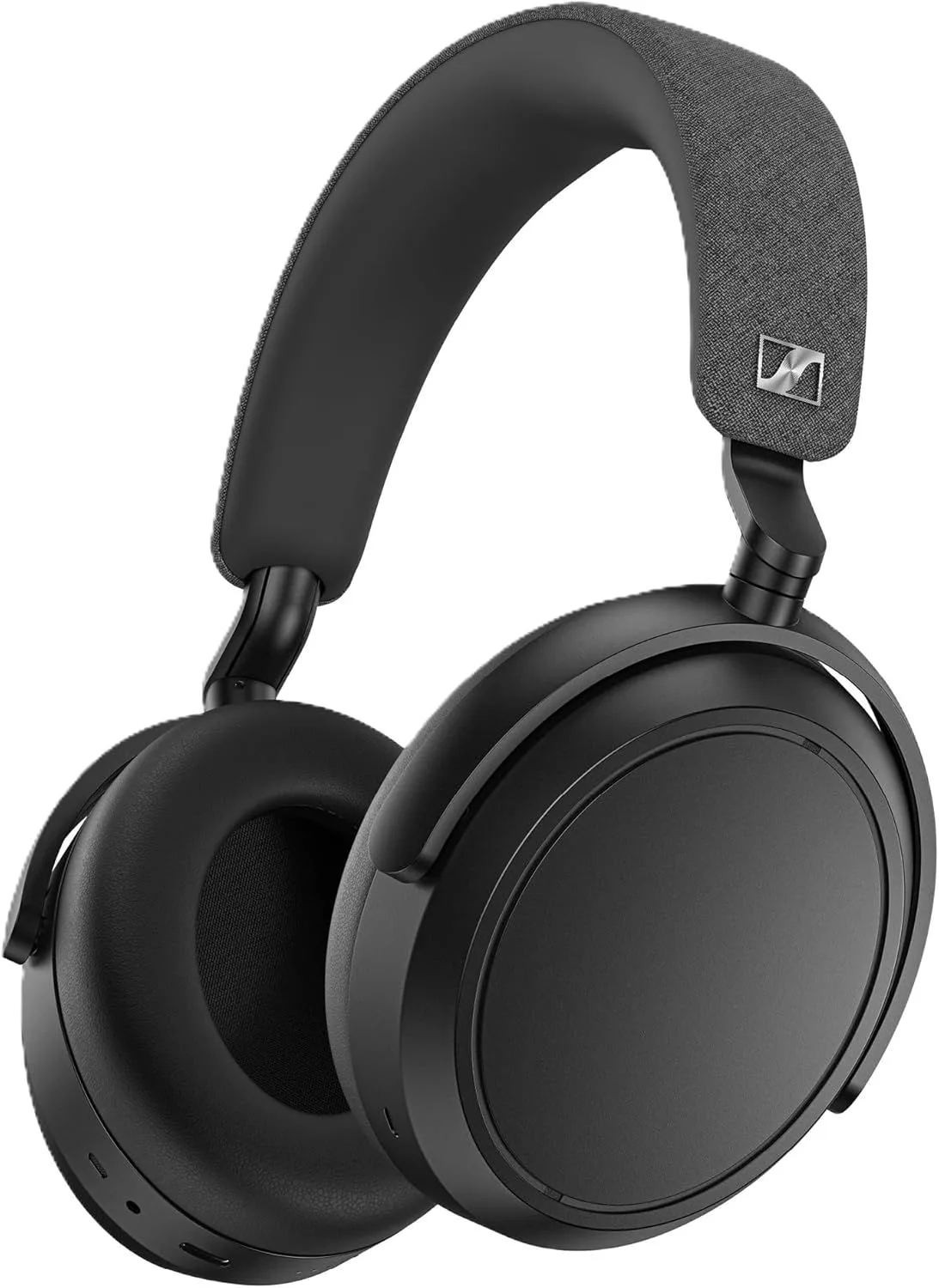
- Sennheiser Momentum 4 — Best balanced tuning with aptX Adaptive and 60-hour battery
- Sony WH-1000XM6 — LDAC 990kbps with the best 40mm driver Sony has built
- Beats Studio Pro — USB-C lossless audio at a mid-range price
- Skullcandy Crusher Evo — Haptic bass for physical immersion in bass-heavy genres
- Bose QuietComfort Ultra — Immersive Audio spatial processing and USB-C lossless
Music Listening Selection Criteria
Why Music Listening Puts Different Demands on Headphones
Sound quality comes first. Everything else is secondary. Dedicated music headphones solve a fidelity problem, not a noise problem or a latency problem. The goal is accurate reproduction of recorded material across the full audible frequency range — 20Hz to 20kHz — with minimal coloration from the driver, housing, or wireless codec compressing the signal between your source and your ears.
Most wireless headphones optimize for a different listener. ANC-focused models prioritize cancellation depth over tonal accuracy. Gaming headsets boost the 2-4kHz range where footsteps live, creating an artificially bright signature that fatigues ears during a two-hour album session. Budget models apply aggressive V-shaped EQ that impresses during a 30-second store demo but distorts the tonal balance of complex recordings. A headphone built for music listening starts from a different design premise: the driver, tuning, and codec pipeline exist to preserve the recording, not to reshape it for a specific use case.
The wireless codec determines the quality ceiling before the driver even enters the equation. Bluetooth SBC caps at 328kbps with noticeable compression artifacts on complex passages. AAC at 256kbps sounds better but still discards high-frequency transients that give cymbals their shimmer and snare drums their crack.
LDAC changes the math entirely.
At 990kbps, LDAC approaches CD quality — close enough that trained listeners in controlled double-blind tests cannot reliably distinguish it from wired playback on the same headphone. aptX Adaptive on the Sennheiser Momentum 4 adjusts dynamically between quality and latency, topping out at 420kbps with less audible compression than AAC. The codec your phone supports and the codec your headphone supports must overlap for any of this to matter — LDAC requires an Android source, while iPhone users are locked to AAC over Bluetooth regardless of headphone capability.
What to Look For in a Music Headphone
Six specs matter. And most product pages bury them. Six specifications predict whether a wireless headphone will satisfy a focused music listener. Codec support sets the quality ceiling, driver size and material determine bass extension and transient response, sound signature shapes the tonal character, frequency response range reveals how much of the audible spectrum the driver reproduces, the open vs closed design affects soundstage width, and wired mode availability bypasses Bluetooth entirely for purist listening.
Codec support — the invisible quality gate. LDAC at 990kbps on the Sony WH-1000XM6 transmits roughly three times the data per second compared to AAC at 256kbps. That bandwidth gap is audible on complex material: dense orchestral arrangements, layered electronic production, and recordings with wide dynamic range all sound more open and detailed over LDAC. aptX Adaptive on the Sennheiser Momentum 4 runs at a lower peak bitrate but uses a more efficient compression algorithm that preserves transient detail well. The Beats Studio Pro sidesteps the wireless codec debate entirely by offering USB-C wired lossless playback — plug in and the signal arrives uncompressed. For iPhone users, AAC is the Bluetooth ceiling regardless of headphone, which makes the USB-C wired path on the Beats Studio Pro the only lossless option without a third-party Bluetooth adapter. Our codec comparison guide breaks down every Bluetooth audio standard in detail.
Driver size and material — bass extension and speed. Larger diaphragms move more air per excursion, producing deeper bass extension without the distortion that smaller drivers introduce when pushed to their limits. The Sennheiser Momentum 4's 42mm driver reaches comfortably below 20Hz with controlled rolloff. Sony's 40mm driver in the Sony WH-1000XM6 was re-engineered from scratch for this generation — independent measurements show flatter bass response and tighter impulse response than the XM5's driver. The Beats Studio Pro at 35mm trades raw bass depth for midrange clarity that benefits vocals and acoustic instruments. Bio-cellulose, beryllium-coated, and composite diaphragm materials respond to signal changes faster than standard polyester, reducing the smearing effect that makes low-quality drivers sound muddy on complex passages.
Sound signature — matching the headphone to your library. Neutral tuning reproduces the mix as recorded — no frequency range boosted, none recessed. The Sennheiser Momentum 4 sits closest to neutral among these picks, with a slight warmth in the lower midrange that flatters acoustic instruments and vocals without coloring them.
V-shaped tuning boosts bass and treble while scooping the midrange — exciting on first listen, fatiguing after an hour, and destructive to vocal-forward recordings. Warm tuning adds body to the low end and lower midrange — the Sony WH-1000XM6 leans this direction, producing a rich presentation that complements jazz, R&B, and singer-songwriter material. Bright tuning emphasizes treble detail and air — useful for analytical listening but harsh on poorly mastered recordings. No signature is correct in absolute terms. The right match depends on what you listen to most.
Frequency response and open vs closed design. The audible range spans 20Hz to 20kHz. Most closed-back wireless headphones reproduce this range with varying accuracy — the deviations from a flat curve constitute the headphone's "sound signature." Closed-back designs (every pick on this page) seal the ear inside the cup, which improves bass response and isolation at the cost of soundstage width. Open-back designs let air pass through the driver housing, producing a wider, more speaker-like presentation — but they leak sound in both directions and offer zero isolation. For wireless music listening outside a quiet room, closed-back is the practical choice. Wired open-back headphones remain the gold standard for home critical listening, but that is a different product category from what this page covers.
Wired mode — bypassing Bluetooth for purist sessions. Every headphone on this page except the JBL Tune 520BT includes a 3.5mm or USB-C wired connection. Plugging in eliminates Bluetooth codec compression entirely — the signal path runs from your DAC through the cable to the driver with zero digital lossy encoding. Sound quality in wired mode is measurably better on every headphone that supports it, because the driver receives the full uncompressed signal. The Beats Studio Pro's USB-C wired mode is particularly notable because it delivers digital lossless audio (the headphone's internal DAC processes the signal), while 3.5mm connections are analog and depend on the quality of the source device's DAC. For home listening from a laptop or desktop with lossless files, wired mode on any of these headphones will outperform their wireless codec.
Top Picks for Focused Listening
1. Sennheiser Momentum 4 — Balanced Tuning for Every Genre
The Sennheiser Momentum 4 earns the top spot because its sound signature serves the widest range of music without requiring EQ adjustment. Sennheiser's 42mm driver produces a balanced, slightly warm tonality that audiophile reviewers on Head-Fi and What Hi-Fi consistently describe as the most natural-sounding wireless headphone in its price range. Bass extends deep without bloating into the midrange. Vocals sit forward with clear presence. Treble detail resolves cymbal decay and hi-hat texture without the harshness that plagues many closed-back designs. The tuning works for classical string quartets, hip-hop production, jazz piano trios, and rock guitar tones with equal competence — a claim that most headphones at any price cannot make.
aptX Adaptive codec support gives Android users the highest-quality Bluetooth path available on this headphone, with dynamic bitrate adjustment up to 420kbps. The practical effect: streaming from Tidal HiFi or Amazon Music HD over Bluetooth sounds noticeably more open and detailed than the same content over AAC. iPhone users receive AAC at 256kbps — still good, but the gap is audible on reference-quality recordings. The 60-hour battery with ANC active is the longest in this lineup by a wide margin, covering two full weeks of daily 4-hour listening sessions from a single charge. A wired 3.5mm cable is included for lossless listening from a dedicated DAC or high-quality source.
Not perfect, though. ANC depth is the primary concession. Sennheiser's implementation reduces ambient noise adequately for office and home environments but trails the Sony WH-1000XM6 and Bose QuietComfort Ultra in loud transit scenarios — subway cars, aircraft cabins, and busy streets. If you split listening time between quiet rooms and noisy commutes, the ANC gap matters. For dedicated listening sessions in controlled environments, it does not. Firmware updates have introduced Bluetooth stability issues for some owners, with intermittent disconnections reported on specific Android versions. For extended sound quality analysis, read our full review of the Momentum 4. To see how it compares against its closest rival on sound, the Momentum 4 vs XM5 comparison covers frequency response and ANC measurements side by side.
Check Price on Amazon2. Sony WH-1000XM6 — LDAC and Sony's Best Driver
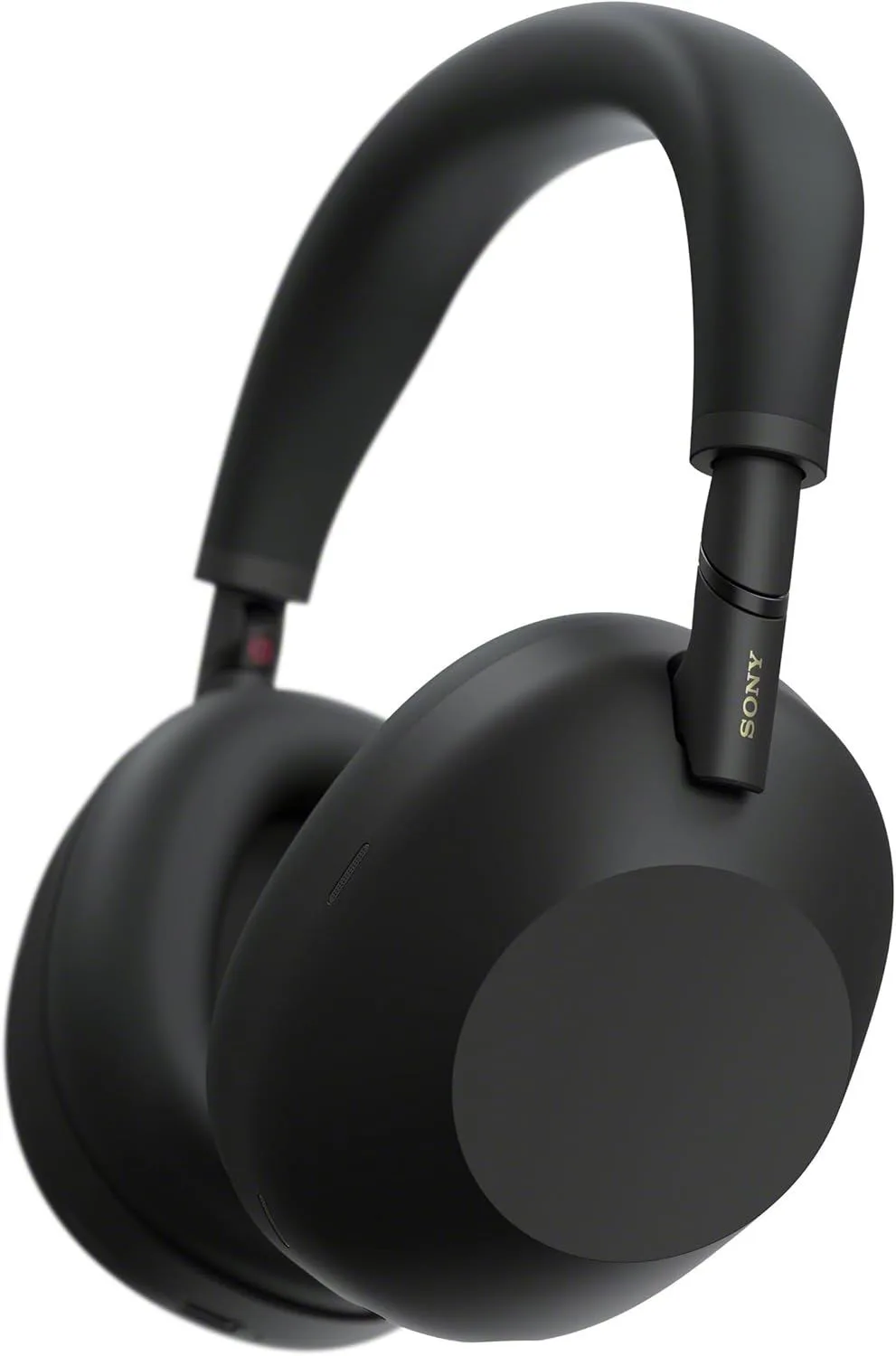
The Sony WH-1000XM6 contains Sony's finest 40mm dynamic driver — a complete redesign from the XM5 generation with a new diaphragm material that reduces harmonic distortion at high volumes. RTINGS frequency response measurements show flatter bass extension and more controlled treble than any previous Sony over-ear. The warm-neutral tuning adds just enough body to the lower midrange to make the sound feel full without obscuring midrange detail. On LDAC at 990kbps from an Android source, the Sony WH-1000XM6 is the highest-fidelity wireless listening experience available under the premium audiophile tier.
ANC performance exceeds every other pick on this page. Sony's 12-microphone dual-processor system cancels 30-35 dB across the speech-frequency range — deep enough to turn a noisy coffee shop into near-silence and reduce aircraft cabin noise to a faint hum. For music listening, that ANC depth means you hear more low-level detail in recordings without cranking volume to compensate for ambient interference. The 30-hour battery with ANC covers a week of daily listening for most users, though it falls well short of the Sennheiser Momentum 4's 60-hour rating.
Two limitations affect music-specific use. The Sony WH-1000XM6 lacks USB-C audio playback — wired lossless requires the 3.5mm analog cable, which means the source device's DAC determines wired sound quality rather than an internal DAC like the Beats Studio Pro provides. Scattered reports of a faint whistle in the left channel during ANC operation persist across owner forums, though the issue appears isolated to a subset of production units. The price positions the Sony WH-1000XM6 at a tier where the Momentum 4 offers comparable sound quality at a lower cost — the premium buys deeper ANC and a marginally better driver. See the XM6 vs QC Ultra breakdown for how Sony's top model compares with Bose on spatial audio and sound quality.
Check Price on Amazon3. Beats Studio Pro — USB-C Lossless at a Mid-Range Price
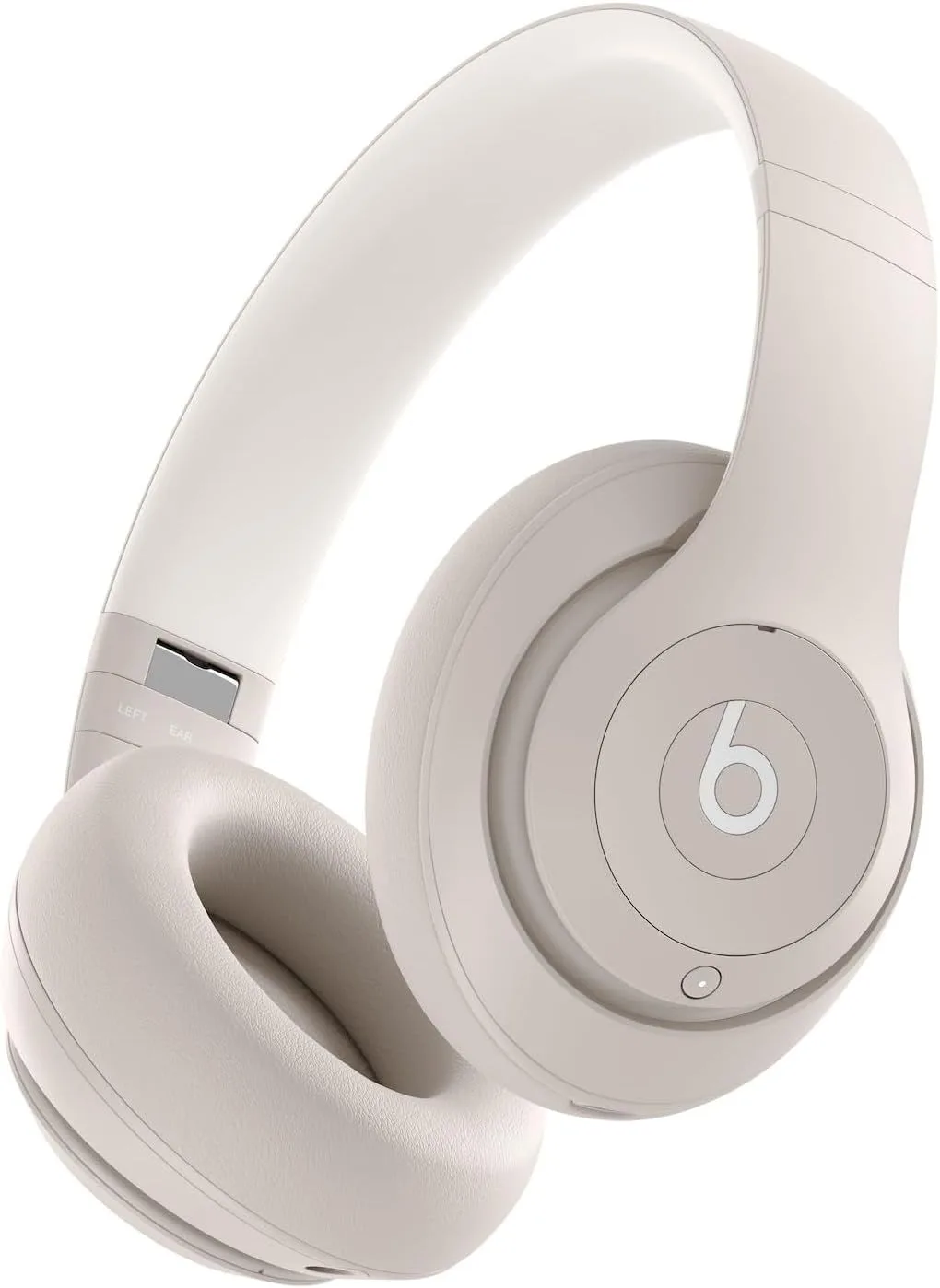
The Beats Studio Pro offers USB-C wired lossless audio — a feature normally reserved for headphones at twice the price. Plug in via USB-C and the headphone's internal DAC processes a digital lossless signal directly, bypassing both Bluetooth compression and the quality limitations of your phone's analog output. For Apple Music Lossless subscribers, this is the most affordable path to hearing what the lossless tier actually delivers through headphones. Over Bluetooth, aptX HD for Android provides a high-quality wireless path, while iPhone users receive AAC at 256kbps — competent but not lossless.
Beats re-tuned the sound for this generation. The old Beats bass-heavy reputation does not apply here — the custom 35mm drivers deliver a warmer, more controlled low end with clear vocal presence and treble that avoids harshness on sibilant recordings. SoundGuys measured a frequency response closer to the Harman target than most competitors at this price. The sound flatters pop, hip-hop, R&B, and electronic music particularly well, with enough midrange resolution for acoustic and vocal-forward material. The 40-hour battery with ANC enabled provides a full work week of daily listening from a single charge.
ANC sits a clear tier below the Sony WH-1000XM6 and Bose QuietComfort Ultra — adequate for quiet environments, insufficient for noisy transit. The 59x40mm ear cups are shallow enough that listeners with larger ears report pad contact against the driver housing after 90 minutes. For a detailed breakdown of comfort across head sizes and extended codec testing, read our full review of the Studio Pro.
Check Price on AmazonOur #1 pick for music: The Sennheiser Momentum 4 pairs balanced audiophile-grade tuning with aptX Adaptive and a 60-hour battery that outlasts every competitor on this list.
Check Price on AmazonWatch: Tech in Top 5's take on the Headphones for Music

4. Skullcandy Crusher Evo — Haptic Bass for Physical Immersion
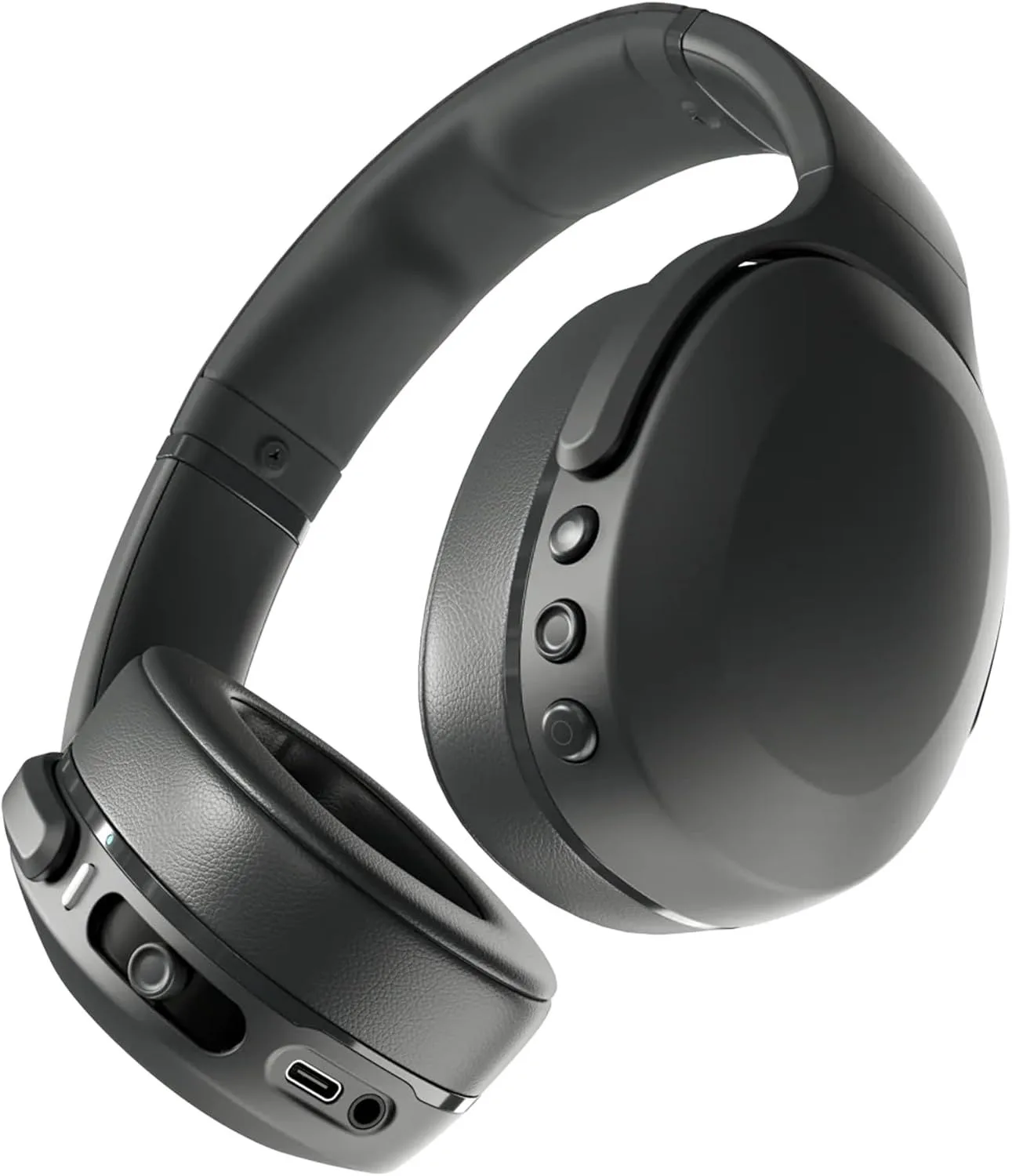
The Skullcandy Crusher Evo does not compete on frequency response accuracy or codec support. But that misses the point. It competes on a sensation that no other headphone replicates: physical vibration synchronized to bass frequencies. A patented haptic actuator in each ear cup generates tactile feedback that scales from a subtle hum to aggressive rumble via a physical slider on the left cup. For EDM, hip-hop, drum and bass, and any genre where the kick drum and bass line are central to the listening experience, the haptic layer adds a dimension that conventional drivers — regardless of size or tuning — cannot reproduce. It is the closest a headphone comes to the chest-hit feeling of standing near a PA system at a live show.
Battery life exceeds every other pick on this page. Skullcandy rates it at 40 hours, but RTINGS independently measured 66 hours and 50 minutes at moderate volume with haptic bass at medium intensity. That real-world figure surpasses even the Sennheiser Momentum 4's 60-hour rating. Sound tuning with the haptic slider at zero is warm and bass-forward — competent for casual listening, not analytical. Codec support is limited to AAC and SBC — no LDAC, no aptX. The 308-gram weight makes it the heaviest pick on this page, and comfort degrades after two hours of continuous wear. No ANC at a price where competitors include it means this headphone assumes a quiet listening environment. For a full breakdown of haptic bass at every slider position, see our Crusher Evo review.
Check Price on Amazon5. Bose QuietComfort Ultra — Spatial Audio and Supreme Comfort
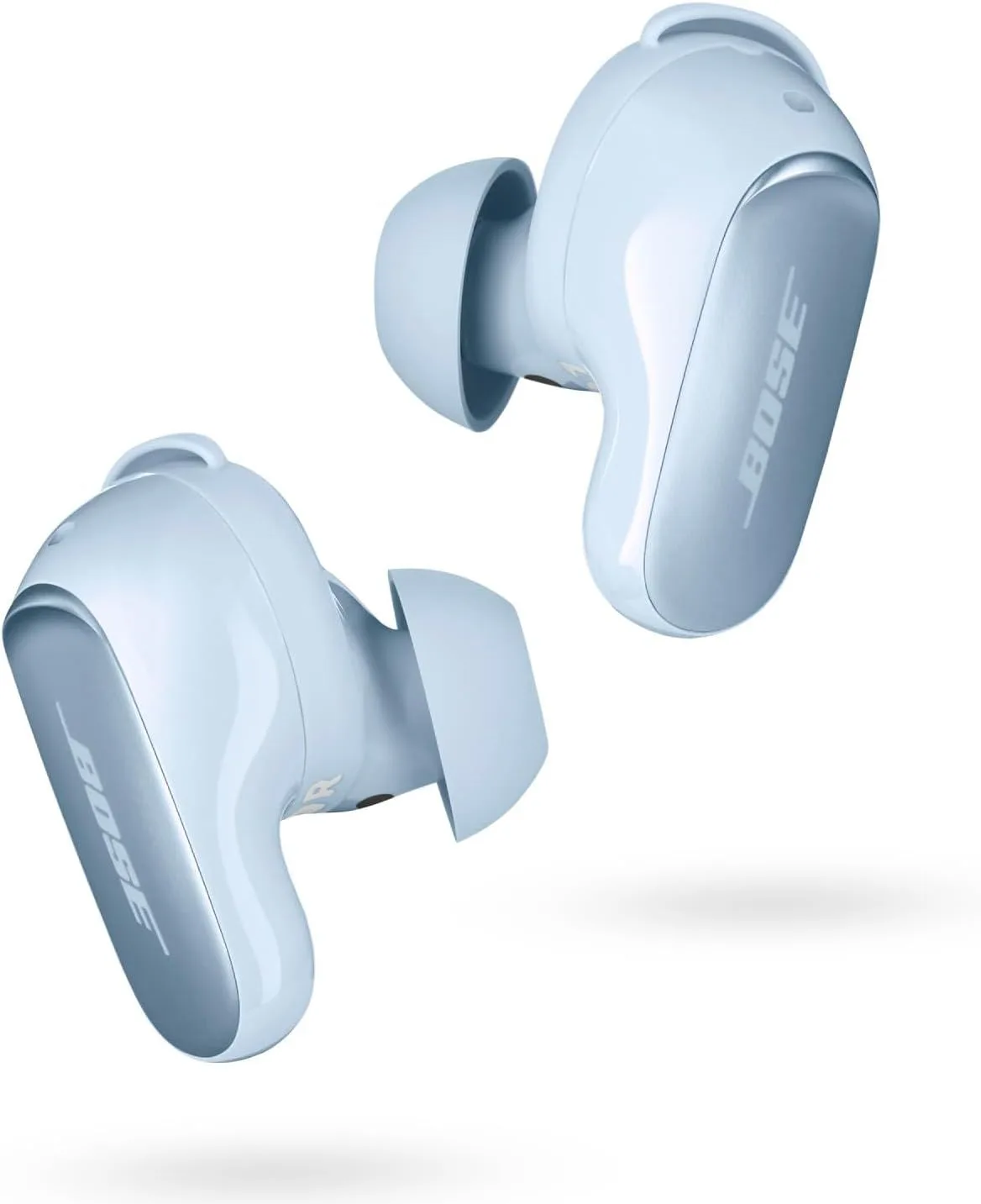
The Bose QuietComfort Ultra brings Bose's Immersive Audio spatial processing to music listening — a feature that places instruments and vocals in a three-dimensional space around your head rather than on a flat left-right plane. The effect is subtle on some recordings and striking on others: binaural recordings, live concert audio, and well-mixed spatial releases gain noticeable depth and staging. Tracks mixed in traditional stereo benefit less, and some listeners find the processing fatiguing after extended sessions. USB-C wired lossless at 16-bit/48kHz provides a clean digital path that the Sony WH-1000XM6 lacks.
Comfort is the best in this group. Plush protein leather ear cushions with deep cups accommodate larger ears without driver contact, and the lighter weight compared to most premium competitors extends comfortable wear past five hours. ANC depth rivals the Sony WH-1000XM6, dropping ambient noise enough to reveal low-level recording detail in noisy environments. The limitation for music listeners: no LDAC codec. AAC at 256kbps is the Bluetooth ceiling, meaning Android users who want high-bitrate wireless streaming get more from the Sony WH-1000XM6 or Sennheiser Momentum 4. The Bose app offers limited EQ customization compared to Sony and Sennheiser — what you hear out of the box is largely what you get. For a premium cross-brand comparison, the AirPods Max 2 vs QC Ultra comparison covers spatial audio and sound quality differences.
Check Price on AmazonGenre-Matched Listening Recommendations
Genre matters. Different genres expose different headphone strengths and weaknesses. A headphone that flatters hip-hop production may soften the attack on a snare drum in a jazz recording. These genre-specific notes help match the right pick to what you actually listen to most.
Classical and orchestral. Orchestral recordings demand wide dynamic range, accurate timbre reproduction, and a soundstage that separates instrument sections spatially. The Sennheiser Momentum 4's neutral-warm tuning preserves the tonal character of strings, brass, and woodwinds without artificial coloration. Quiet passages come through with detail rather than being swallowed by noise floor or driver hiss. LDAC or wired mode on the Sony WH-1000XM6 provides the bandwidth to resolve the dense harmonic content of a full orchestra where lower-bitrate codecs audibly compress. Avoid V-shaped headphones for classical — the midrange recession buries the second violins and violas that carry harmonic movement.
Hip-hop and EDM. Bass weight, sub-bass extension, and punch define the listening experience for these genres. The Skullcandy Crusher Evo's haptic bass adds a physical dimension that conventional drivers cannot match — 808 kicks and bass drops hit with tactile impact rather than just auditory presence. Without haptic, the Sony WH-1000XM6's warm-neutral tuning with its deep bass extension reproduces sub-bass content down to 20Hz with authority. The Beats Studio Pro delivers the punch of a tight kick drum and the weight of a bass line without the bloat that less-controlled headphones introduce. EQ boosting 60-100Hz by 2-3dB in any companion app adds bass presence without distortion on most of these picks.
Rock and guitar-driven music. Electric guitar occupies the 800Hz-5kHz range — exactly where midrange clarity determines whether a distorted power chord sounds aggressive and defined or mushy and recessed. The Sennheiser Momentum 4's balanced tuning preserves the bite of an overdriven amplifier and the texture of palm-muted riffs. Drum kit reproduction matters equally: the snap of a snare at 2-4kHz, the boom of a kick at 60-100Hz, and the shimmer of overheads at 8-12kHz all need representation without any one element dominating. The Sony WH-1000XM6 handles this balance well, though its warmer tilt slightly softens the upper midrange attack that gives rock guitars their edge. For classic rock and metal, a slight treble EQ boost on either headphone sharpens the top end.
Jazz and acoustic music. Acoustic instruments reveal headphone flaws faster than processed studio recordings because there is no compression, auto-tune, or layered production to mask driver inaccuracies.
Piano timbre — the weight of the low keys, the bell-like clarity of the high register, and the wooden resonance of the mid-range — exposes tuning choices immediately. The Sennheiser Momentum 4 reproduces piano with the most accurate timbre on this page. Acoustic bass benefits from the warm low-end of the Sony WH-1000XM6, which adds body to upright bass without muddying the mid-range. Cymbal work in jazz relies on treble resolution and transient speed — both the Sennheiser and Sony drivers handle this well. The Bose QuietComfort Ultra's spatial processing can add a sense of room ambience to live jazz recordings that enhances the "you are there" illusion.
Extended Buying Factors for Music Listeners
Lossless streaming services and what they require. Apple Music Lossless (ALAC up to 24-bit/192kHz), Tidal HiFi (FLAC up to 24-bit/192kHz), and Amazon Music HD (FLAC up to 24-bit/192kHz) all deliver content that exceeds Bluetooth codec capacity. To hear the lossless tier, you need either a wired USB-C digital connection (the Beats Studio Pro), a wired 3.5mm analog connection (every pick except the JBL Tune 520BT), or the highest-bandwidth wireless codec your phone supports — LDAC on the Sony WH-1000XM6 for Android users. Streaming lossless over AAC or SBC defeats the purpose; the codec compresses the signal below the lossless quality floor before it reaches the driver. The wired vs wireless breakdown covers the quality gap in detail with frequency response overlay measurements.
The JBL Tune 520BT — a budget entry for casual music listening. Not every music listener needs audiophile-grade fidelity. The JBL Tune 520BT at the budget tier delivers JBL's signature bass-forward tuning with a 57-hour battery and Bluetooth 5.3 multipoint. Sound quality is competent for Spotify at default bitrate, YouTube, and podcast listening — genres and sources where the codec ceiling of AAC does not create a bottleneck. The on-ear fit limits comfort past 90 minutes, there is no ANC, and no wired backup cable. For listeners exploring whether better headphones make a difference before committing to a mid-range or premium purchase, the JBL Tune 520BT is a low-risk starting point. Our full review covers EQ tuning options that improve the stock sound profile.
EQ customization and companion apps. Every headphone on this page except the Skullcandy Crusher Evo and JBL Tune 520BT offers meaningful EQ adjustment through a companion app. The Sennheiser Smart Control app provides a parametric EQ with adjustable center frequencies, Q-width, and gain — the most granular control on this page and the kind of tool that lets you match the headphone to your room acoustics and hearing profile. Sony Headphones Connect offers a 5-band graphic EQ plus preset sound profiles tuned for specific content types. The Beats app provides simpler adjustments. A neutral headphone with a flexible EQ is a more versatile purchase than a pre-tuned headphone that sounds great for one genre and mediocre for others — one more reason the Sennheiser Momentum 4 earns the top position. Our features guide covers companion app capabilities across all major brands.
Our Top Pick for Music
The Sennheiser Momentum 4 earns the top spot because its balanced tuning serves the widest range of music without EQ adjustment, its aptX Adaptive codec extracts more detail from Bluetooth streaming than AAC, and its 60-hour battery means you charge it biweekly rather than nightly. The sound signature sits close enough to neutral that classical, jazz, rock, and electronic all sound correct rather than colored. For listeners who want a single headphone that handles everything in their library with equal competence, no other wireless option at this price matches the Sennheiser's breadth. Read our full review for frequency response charts and long-term durability data.
Listeners who prioritize deep ANC alongside sound quality should start with the Sony WH-1000XM6 — its 12-microphone system cancels more ambient noise than the Sennheiser, and LDAC at 990kbps provides the highest-bandwidth wireless codec available. Budget-conscious listeners exploring what better audio fidelity sounds like should start with the Beats Studio Pro — USB-C lossless at its price tier is an uncommon value. And bass-genre listeners who want to feel their music physically have one option: the Skullcandy Crusher Evo's haptic bass is a category of one. Our style-first headphone rankings cover the broader category beyond these music-focused picks.
Frequently Asked Questions
Does Bluetooth audio quality match wired for music listening?
It depends on the codec. LDAC at 990kbps (supported by the Sony WH-1000XM6) delivers near-CD-quality wireless audio that most listeners cannot distinguish from wired in blind tests. aptX Adaptive on the Sennheiser Momentum 4 dynamically adjusts bitrate up to 420kbps with lower latency. AAC at 256kbps — the iPhone default — is the quality ceiling for Apple users over Bluetooth. SBC at 328kbps is the universal fallback and the weakest option. For critical listening with lossless sources like Tidal HiFi or Apple Music Lossless, a wired 3.5mm or USB-C connection bypasses all Bluetooth compression entirely. The Beats Studio Pro supports USB-C wired lossless at its price tier — a rare feature below the premium bracket.
What is the difference between V-shaped, neutral, and warm sound signatures?
V-shaped tuning boosts bass and treble while pulling back the midrange — it sounds energetic and exciting on first listen, but it recesses vocals and acoustic instruments. Many budget headphones default to V-shaped because it makes an immediate impression in store demos. Neutral tuning reproduces the recording as the engineer mixed it, with no frequency range exaggerated — the Sennheiser Momentum 4 sits closest to neutral among the picks on this page. Warm tuning emphasizes the lower midrange and bass, producing a rich, full sound that flatters vocals, jazz, and acoustic music. The Sony WH-1000XM6 leans warm-neutral. No signature is objectively better — the right choice depends on your library and what you want to hear emphasized.
Do larger drivers produce better sound quality?
Larger drivers can move more air, which generally means deeper bass extension and higher maximum volume without distortion. The Sony WH-1000XM6 uses a 40mm dynamic driver, and the Sennheiser Momentum 4 uses a 42mm driver — both produce bass that reaches below 20Hz with authority. The Beats Studio Pro at 35mm delivers less raw bass extension but achieves excellent clarity in the midrange. Driver material matters as much as size: bio-cellulose, beryllium-coated, and graphene-enhanced diaphragms respond faster and produce less harmonic distortion than standard polyester at similar dimensions. A well-engineered 35mm driver can outperform a poorly tuned 50mm one — size alone does not determine fidelity.
Is ANC useful for music listening or does it affect sound quality?
ANC removes ambient noise that masks low-level detail in music — the quiet decay of a cymbal, a subtle string section in a mix, the spatial reverb on a vocal take. By dropping the noise floor, ANC lets you hear more of what the recording contains without raising the volume. Some implementations introduce a faint hiss at very low volumes, but modern processors on the Sony WH-1000XM6 and Bose QuietComfort Ultra have reduced this artifact to near-imperceptible levels. ANC does not alter the audio signal itself — it processes ambient sound through a separate microphone array. For home listening in a quiet room, ANC adds no benefit and slightly reduces battery life. For listening on transit, in offices, or anywhere with background noise, ANC objectively reveals more musical detail.
Can haptic bass replace a real subwoofer for bass-heavy music?
The Skullcandy Crusher Evo is the only mainstream headphone with haptic bass — a secondary actuator in each ear cup that vibrates physically in sync with low-frequency content. It does not reproduce sub-bass frequencies the way a floor-standing subwoofer moves air through a room, but it adds a tactile dimension that standard headphone drivers cannot replicate. For EDM, hip-hop, and electronic genres where feeling the kick drum and bass line is part of the experience, the physical sensation fills a gap that even the best-tuned conventional headphones leave open. At maximum intensity the vibration overwhelms the rest of the mix. The sweet spot for most tracks sits around 40-60% on the physical slider — enough presence to feel without sacrificing vocal clarity.
Our Top Recommendation
Based on our research, the Sennheiser Momentum 4 is our top pick — android users and business travelers who prioritize battery marathon, balanced sound, and all-day comfort over peak anc.
Get Picks Delivered
One email per week. Honest reviews, no spam.
No spam. Unsubscribe anytime.