Upgrading Your Headphones: When It Is Worth It

Headphone manufacturers release new flagship models every 12-18 months, and each launch cycle triggers the same question: is your current pair outdated, or is the upgrade hype louder than the actual improvement? This guide strips the marketing away and focuses on measurable differences between headphone generations, the price tiers where upgrades deliver real returns, and the decision framework for repair versus replacement.
We analyzed generational data across seven products, cross-referencing spec sheets, RTINGS measurement archives, and owner satisfaction patterns from Amazon and forum discussions. The goal is not to sell you a new pair — it is to help you determine if your current headphones have a specific, identifiable weakness that a newer model actually solves. Many upgrades are lateral moves disguised as progress. Some are genuine leaps. Knowing the difference saves money and prevents the regret that comes from buying new hardware that feels identical to what you already owned.
Headphone Upgrade Decision Framework
Five Signs Your Current Headphones Need Replacing
Not every annoyance justifies a new purchase. Some do. These five indicators point to hardware degradation or capability gaps that no workaround can fix, and each one affects daily listening quality in a measurable, persistent way rather than being a cosmetic or subjective preference.
Battery no longer lasts a full session. Lithium-ion batteries lose capacity with every charge cycle. After 500 cycles — roughly 2.5 years of daily charging — most wireless headphones retain 70-80% of their original battery life. A pair rated for 30 hours new might deliver 21-24 hours at this point.
That decline never reverses.
When your headphones die before your commute ends or before the workday finishes, the battery has crossed the functional threshold. Quick-charge features offset this temporarily, but they cannot restore total capacity. If you are charging twice per day where you once charged every three days, the battery has degraded past the point of convenient use.
ANC performance has noticeably declined. Noise cancellation depends on microphone sensitivity and processing calibration. Over time, external microphones accumulate debris, wind guards deteriorate, and the sealed chamber between ear cushion and ear changes shape as padding compresses. A three-year-old pair with flattened cushions lets ambient sound bypass the ANC system through physical gaps that did not exist when the cushions were new. Replacing ear pads (fifteen to thirty dollars on most models) can restore ANC performance without replacing the entire headphone. If the ANC still underperforms after new pads, the microphones or processor are the bottleneck.
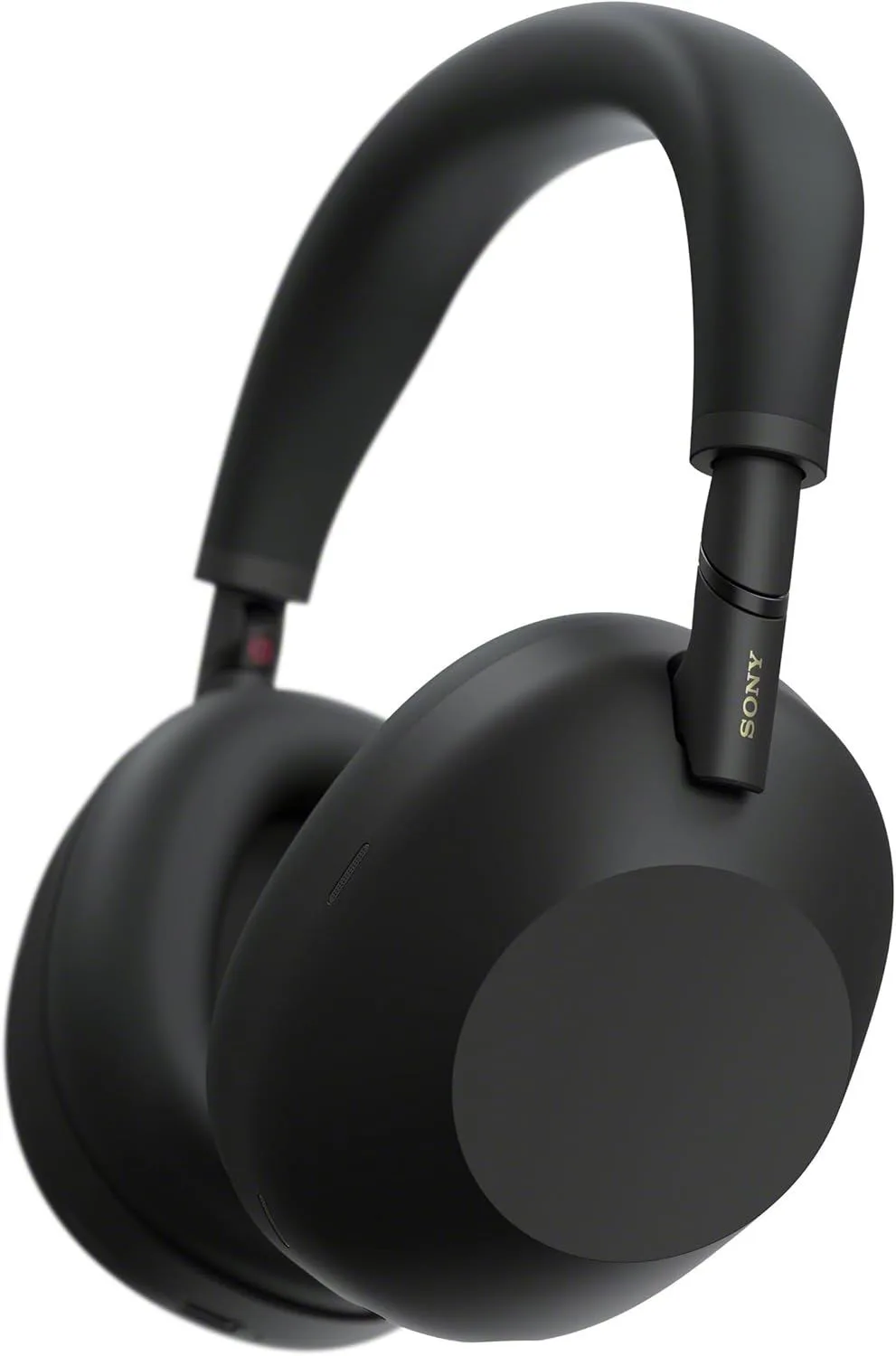
Physical comfort has degraded. Headband padding compresses permanently after 12-18 months of daily use, concentrating pressure on a narrower contact area at the crown. Ear cushions flatten, reducing the depth of the ear cup cavity and allowing your ears to touch the driver baffle — creating pinna pressure that was not present when the headphones were new. Protein leather cracks and flakes, exposing rough foam that irritates skin. Comfort degradation is gradual enough that many users do not notice it until they try a new pair and realize how much physical tolerance they had been accepting as normal.
Missing codec or connectivity features. Bluetooth codecs evolve. If your headphones only support SBC and AAC, you cannot use LDAC for high-resolution streaming on Android devices. If they lack multipoint Bluetooth, you disconnect and reconnect manually every time you switch between phone and laptop. Missing features like adaptive ANC, spatial audio, or conversation detection are not breakdowns — they are capability gaps that newer models have filled. Whether these gaps matter depends on your daily listening habits, not on whether the feature exists.
Structural damage affecting function. A cracked headband that still holds together is cosmetic. A cracked headband hinge that changes ear cup angle under movement breaks the ANC seal and alters sound staging. A damaged driver that distorts above a certain volume is a functional failure, not wear. Intermittent Bluetooth dropouts caused by a degraded antenna trace will not improve with firmware updates. Structural damage that affects sound, connectivity, or fit is a replacement trigger — the cost to repair these issues at a service center typically exceeds the price of a new mid-range pair.
What Actually Changes Between Headphone Generations
Each new flagship release advertises a list of improvements. Some of those improvements produce audible, measurable differences in daily use. Others are incremental refinements that benchmark tests detect but human ears do not. Understanding which changes fall into each category prevents you from paying a premium for upgrades you cannot perceive.
ANC depth and adaptiveness. This is where generational upgrades deliver the most perceptible change. The Sony WH-1000XM6 cancels 3-5 dB more low-frequency noise than the Sony WH-1000XM5 in matched RTINGS measurements. That sounds small on paper, but decibels are logarithmic — 3 dB represents a halving of perceived loudness in the target frequency band. Adaptive ANC also processes faster on newer chips, reducing the brief cancellation gaps that occur when background noise changes suddenly (entering a tunnel, walking past a construction site, air conditioning cycling on). For commuters on loud transit, the ANC gap between generations is real and worth the cost. For home office users in quiet rooms, the same gap is inaudible. Our XM5 versus XM6 detailed comparison quantifies these ANC differences with RTINGS data.
Codec support and Bluetooth version. Bluetooth 5.3 and later versions improve connection stability, reduce latency, and enable features like LE Audio and Auracast broadcasting. LDAC support on newer models unlocks 990kbps streaming from Android devices — a clear step above SBC's 328kbps or AAC's 256kbps. LC3plus, the next-generation low-latency codec, is appearing on 2025-2026 models but requires both the headphone and source device to support it. Codec upgrades matter most to listeners who stream lossless audio on Android. iPhone users are capped at AAC regardless of headphone capability, so Bluetooth codec improvements provide zero benefit on Apple devices.
Battery capacity. Newer models generally carry larger or more efficient battery packs, but the improvements are smaller than marketing suggests. The Sony WH-1000XM6 runs 40 hours with ANC on — the same as the Sony WH-1000XM5. The Sennheiser Momentum 4 at 56 hours holds the endurance lead across generations. Battery gains between generations typically add 2-5 hours of ANC-on playback, not the doubling that would justify an upgrade on battery alone. Quick-charge speed improves more noticeably: 3 hours of playback from a 3-minute charge on the Sony WH-1000XM6 versus 3 hours from 10 minutes on older Sony models.
Driver tuning and sound quality. The driver cone itself — the physical speaker element — changes less between generations than any other component. A 40mm dynamic driver from 2023 uses fundamentally the same technology as one from 2026. What changes is DSP-driven tuning: how the onboard processor shapes the frequency response, compensates for ANC coloration, and processes spatial audio. These software-level improvements produce subtle but measurable changes in frequency accuracy, stereo imaging, and distortion at high volumes. Casual listeners will not notice the difference. Critical listeners comparing back-to-back in a quiet room will.
The Diminishing Returns Curve in Headphone Upgrades
Headphone performance does not scale linearly with price. The relationship between dollars spent and audible improvement follows a curve that flattens sharply above the mid-range tier, and understanding where the curve bends saves hundreds of dollars on upgrades that deliver minimal perceptible benefit.
Sub-sixty dollars to one hundred fifty dollars: the steepest improvement zone. Moving from a basic Bluetooth headphone to a mid-range model like the Anker Soundcore Space One produces the most dramatic per-dollar upgrade in the entire headphone market. You gain hybrid ANC (from no ANC or feedforward-only), LDAC codec support (from SBC-only), 40-hour battery (from 15-20 hours), and memory foam cushions (from thin fabric pads).
Every metric jumps.
Sound quality improves across the frequency range. Build quality shifts from all-plastic to metal-reinforced hinges. This tier jump is the single best value proposition in wireless headphones. If you own a pair under sixty dollars and want a noticeable step up, this is where your money works hardest.
One hundred fifty to three hundred dollars: strong but narrower gains. The Sennheiser Momentum 4 and Bose QuietComfort Ultra occupy this range. ANC depth improves by another 5-10 dB over the mid-range tier, premium materials replace plastic (aluminum, stainless steel accents, protein leather), and multipoint Bluetooth becomes standard. Sound tuning reaches a professional level — Sennheiser and Bose both invest heavily in driver optimization at this price. The upgrade from mid-range to premium is real and audible, but narrower than the jump from budget to mid-range. You are paying for refinement, not revolution. Our flagship ANC head-to-head analysis measures exactly how much separation exists at this tier.
Three hundred to five hundred dollars: marginal territory. The Sony WH-1000XM6 sits at the top of this range. Compared to a three-hundred-dollar competitor, it offers 2-4 dB more ANC depth, slightly faster adaptive processing, and a few exclusive software features. These differences are detectable in controlled listening tests but borderline in daily commute and office environments where background noise masks subtlety. Frequent flyers on loud aircraft routes will notice the extra cancellation headroom. Desk workers in moderate-noise offices will not. This is the tier where upgrades serve specific use cases, not general improvement. Spending four hundred dollars instead of two hundred dollars does not double the listening experience — it adds the final 10-15% of polish that matters only in demanding acoustic environments.
Above five hundred dollars: luxury premium with minimal functional gain. Models in this bracket from Apple and Bang & Olufsen prioritize materials, aesthetics, and brand cachet over measurable audio or ANC gains.
And the ANC gap disappears. The ANC performance in a five-hundred-dollar pair is comparable to — and sometimes lower than — the best three-hundred-to-four-hundred-dollar models. You are paying for machined aluminum, woven mesh headbands, and design language. Valid reasons to buy. But not performance upgrades.
Repair vs. Replace: A Decision Framework
The repair-or-replace question has a quantitative answer when you frame it around cost ratios and remaining functional life. Emotional attachment to a familiar pair and marketing excitement about a new model both distort the decision. The framework below strips those biases out.
Step 1: Identify the specific failure. "My headphones are old" is not a failure — it is a feeling. Name the exact problem: battery dies after 4 hours, left driver cuts out intermittently, ear pads are cracked and flaking, ANC lets through more noise than it used to, headband hinge is cracked. Each failure has a different repair cost and a different impact on daily listening quality.
Step 2: Price the repair. Ear pad replacement runs fifteen to thirty dollars for aftermarket pads on most models. Battery replacement through manufacturer service costs fifty to eighty dollars for premium brands (Sony, Bose, Sennheiser) including shipping both ways. Third-party battery replacement shops charge thirty to sixty dollars with faster turnaround. Driver replacement and headband repair cost sixty to one hundred and twenty dollars through official service — approaching the price of a new mid-range headphone. Get a repair quote before researching new models.
Step 3: Apply the 40% threshold. If the repair cost exceeds 40% of the price of a new headphone that matches or exceeds your current pair's capabilities, replace rather than repair. A seventy-dollar battery replacement on a headphone that originally cost one hundred and fifty dollars fails this test — the Anker Soundcore Space One at a similar price point delivers newer technology and a fresh warranty. A twenty-five-dollar ear pad swap on a three-hundred-dollar pair passes easily — you restore performance at 8% of replacement cost.
Step 4: Factor in the technology gap. Even if repair is cost-effective, check if your current model lacks capabilities that a newer model at the same price now includes. Repairing a 2021 headphone that only supports SBC and AAC keeps you on outdated Bluetooth codecs. Replacing it with a current model at the same tier adds LDAC, multipoint, and adaptive ANC — features that did not exist at that price point when your current pair was new. The repair saves money in the short term but locks you into an older feature set for another 2-3 years.
Upgrade Paths by Current Price Tier
Your current headphones determine which upgrade path delivers the best return. Jumping one tier up produces the most noticeable improvement per dollar. Jumping two tiers produces more total improvement but at higher cost per incremental gain. Staying within the same tier but moving to a newer generation yields the smallest change.
Currently own sub-sixty-dollar headphones (budget tier). The Anker Soundcore Q30 represents this bracket. Upgrade to mid-range — the Anker Soundcore Space One — for the steepest improvement curve. You gain hybrid ANC, high-resolution codec support, improved build materials, and 40 hours of battery. This is the most cost-effective upgrade path in the market. The difference is audible within seconds of putting on the new pair. Jumping directly to flagship from budget tier costs three to four times more and delivers diminishing additional benefit after the mid-range level.
Currently own mid-range headphones (one hundred to two hundred dollar tier). The Anker Soundcore Space One and similar models sit here. Two viable paths exist. Path A: upgrade to premium at two hundred to three hundred dollars — the Sennheiser Momentum 4 or Bose QuietComfort Ultra — for improved ANC, better tuning, and premium build. Path B: upgrade to flagship at three hundred fifty to four hundred dollars — the Sony WH-1000XM6 — for maximum ANC depth and the latest processing. Path A delivers better value per dollar. Path B delivers more total improvement. Both produce an audible, tangible change from your current pair. Our mid-range benchmark review details what this tier delivers before you decide whether to exceed it.
Currently own premium headphones (two hundred to three hundred fifty dollar tier). The Bose QuietComfort Ultra and Sennheiser Momentum 4 sit here. Upgrading within this tier to a newer generation (e.g., Momentum 4 to a future Momentum 5) yields the smallest improvement of any tier jump — typically 2-3 dB of ANC improvement and minor feature additions. Upgrading to flagship from premium adds 5-10% more cancellation depth at 30-50% more cost. The honest assessment: if your premium headphones are under three years old and functioning normally, there is no cost-effective upgrade available. Replace ear pads, update firmware, and wait for a generational jump that introduces a specific feature you lack.
Currently own flagship headphones (three hundred fifty dollars and above). Upgrading from one flagship to the next generation flagship is the lowest-return upgrade in the entire market. The Sony WH-1000XM5 to Sony WH-1000XM6 move delivers perhaps 3-5 dB more ANC depth and a faster processor, at an effective cost of three hundred fifty dollars or more (minus whatever you recover selling the old pair). This upgrade makes sense only if a specific new feature (LE Audio, improved spatial processing, new codec) fills a gap you experience daily. Otherwise, ride the current flagship until it develops a hardware failure or until a generation introduces a feature that creates a measurable change in your listening experience.
What to Do With Your Old Headphones
After upgrading, your old pair has residual value — either financial or functional. Letting retired headphones sit in a drawer wastes both. Four practical options exist, and the right choice depends on the condition of your old pair and how much effort you want to invest in extracting value from it.
Sell on the secondary market. eBay, Facebook Marketplace, and Swappa are the primary channels. Premium headphones (original retail above two hundred dollars) hold 30-50% of their value for the first two years, dropping to 20-30% by year three. Clean the headphones thoroughly, replace ear pads if they show wear (buyers discount heavily for cosmetic pad damage), take well-lit photos, and list with full spec disclosure. A clean Sony WH-1000XM5 with fresh pads sells for noticeably more than one with visibly worn cushions and no accessories.
Trade in through manufacturer programs. Sony, Bose, and Apple all offer trade-in credit that applies toward new purchases. The credit amounts are lower than secondary market sales — typically 10-20% of original retail — but the process is frictionless. Ship the old pair in, receive store credit. This makes sense when convenience matters more than maximizing return, or when the headphones are in poor cosmetic condition that would depress resale value below the trade-in offer anyway.
Repurpose as a dedicated secondary pair. Old headphones make excellent travel backups, office spares, or bedside listening pairs. A retired flagship that still works becomes a dedicated airplane pair that you do not worry about damaging. A retired mid-range model becomes the desk headphone that stays at the office while your new pair commutes in your bag. Repurposing costs nothing and extends the useful life of functional hardware.
Recycle responsibly. Best Buy accepts electronics for free recycling at all locations. Apple stores accept any brand of headphones for recycling. Manufacturer take-back programs (Sony, Bose) handle recycling directly. Lithium-ion batteries in wireless headphones should never go in household trash — the fire risk during waste processing is real. If your headphones are broken beyond use or resale, responsible recycling is the only appropriate disposition.
Common Upgrade Regrets and How to Avoid Them
Upgrade regret follows predictable patterns. Understanding these patterns before buying prevents the post-purchase dissatisfaction that drives return rates on headphones above the electronics category average.
Buying flagship when mid-range solves the problem. This is the most common regret. A listener whose primary complaint was "no ANC" buys a four-hundred-dollar flagship when a hundred-dollar mid-range model would have solved the exact same problem.
The flagship is objectively better, but the marginal benefit over mid-range does not justify double or triple the cost for this listener's use case. Before buying, write down the specific problem your current headphones have. Then find the cheapest tier that solves that specific problem. If mid-range solves it, buy mid-range. The extra two hundred dollars buys refinement you may not perceive in your listening environment.
Upgrading for ANC when the listening environment is quiet. ANC's value correlates directly with ambient noise level. In environments below 50 dB (quiet home offices, suburban streets), even entry-level noise cancellation eliminates most background sound. Premium and flagship ANC systems are engineered for 70-90 dB environments — airplanes, subway cars, open-plan offices with heavy foot traffic. Upgrading to better ANC while spending 80% of listening time in a quiet room pays for capability you rarely activate. Match ANC investment to your noisiest regular listening environment, not your occasional travel schedule.
Chasing the latest generation when the previous version drops in price. Every flagship launch pushes the previous generation into clearance pricing. The Sony WH-1000XM5 at its current discounted price delivers 90-95% of the Sony WH-1000XM6's performance. The generational gap in ANC depth is 3-5 dB — perceptible in direct back-to-back comparison but not during normal daily use. For buyers who are not in the top 5% of noise-sensitivity or audio-critical use cases, the previous-generation flagship at a reduced price is the best value in the market. Check the generational comparison breakdown for the specific trade-offs.
Ignoring comfort and fit during the upgrade decision. A listener moves from a comfortable mid-range pair to a technically superior flagship that clamps harder, weighs more, or has shallower ear cups. The sound is better. The ANC is deeper. But the headphones come off after 90 minutes instead of four hours because the fit does not match the listener's head shape. Comfort is not secondary to sound — it determines total listening time, which determines the value of every other spec. Try before committing, and use return policies to test during real listening sessions, not store visits.
Upgrading both headphones and earbuds simultaneously. If you use both form factors, stagger the upgrades. Replace whichever pair has the more pressing functional problem first and continue using the other until it develops its own replacement trigger. Upgrading both at once doubles the cost and halves the per-purchase satisfaction because you split your attention between two new devices instead of fully experiencing the improvement each one delivers.
When Firmware Updates Substitute for Hardware Upgrades
Modern headphones receive firmware updates that alter ANC performance, EQ tuning, and feature availability months or years after purchase. These updates can close part of the gap between your current pair and the newest generation without any hardware change.
Sony pushed firmware updates to the Sony WH-1000XM5 that improved ANC performance measurably after launch — RTINGS documented the change in their re-measurements. Bose added spatial audio to the Bose QuietComfort Ultra through firmware. Apple expanded adaptive audio processing and conversation awareness on the Apple AirPods Pro 3 through software alone. These updates are free and automatic.
But firmware has limits. It cannot add microphones to improve ANC coverage. It cannot upgrade a Bluetooth 5.0 radio to 5.3. It cannot increase battery capacity. It cannot make ear cups deeper or headbands lighter.
Firmware optimizes existing hardware — it does not transcend it. If your upgrade need is hardware-bound (battery degradation, physical damage, missing Bluetooth version), firmware updates will not substitute. If your upgrade need is software-bound (ANC tuning, EQ shape, feature additions), check for pending updates before buying new hardware.
The Upgrade Timing Sweet Spot
Product launch cycles create predictable pricing patterns. Buying at the right point in the cycle saves 15-30% on both current and previous-generation models without requiring any compromise on capability. Ignoring the cycle means paying full retail for hardware that drops in price weeks later.
Best time to buy the newest generation: 6-8 weeks after launch. Initial supply constraints and launch hype inflate prices and reduce availability. By week six, production catches up, early-adopter reviews identify any firmware issues (which get patched by week eight), and some retailers run first-round promotions to maintain sales velocity after the launch bump fades.
Best time to buy the previous generation: The day the new model launches. Retailers clear old inventory with steep markdowns. Amazon, Best Buy, and manufacturer direct stores all discount the outgoing model by 25-40% within days of a successor announcement. This is when the Sony WH-1000XM5 drops to its best price — the day Sony announces the Sony WH-1000XM6. If you already know the previous generation meets your needs, this timing window delivers the best price of the entire product cycle. The full flagship review details what the newest generation adds over its predecessor.
Holiday sales cycles: Amazon Prime Day (July), Black Friday, and Cyber Monday produce reliable discounts on both current and previous generations. If your upgrade need is not urgent — your current headphones still function but you want something better — waiting for these sales events saves 20-35% on models that rarely receive mid-cycle discounts. Premium and flagship models see the deepest holiday cuts because retailers use them as traffic drivers.
When not to wait: If your current headphones have a functional failure (dead battery, broken driver, damaged headband), waiting for a sale cycle extends the period without usable headphones. The cost of going without functional audio gear for work commutes and office use often exceeds the savings from timing a sale. Replace broken headphones immediately; time planned upgrades to pricing cycles.
Where to Start Based on Your Situation
Battery dying mid-day on a budget pair: The Anker Soundcore Space One delivers 40 hours of ANC-on playback at mid-range pricing. This is the highest-return upgrade for listeners currently using sub-hundred-dollar headphones. You gain hybrid ANC, LDAC, and build quality that lasts 3-4 years without the diminishing returns of jumping directly to flagship. Browse our full mid-range review for the detailed breakdown.
Outgrowing mid-range ANC on loud commutes: The Sony WH-1000XM6 sets the current ceiling for noise cancellation depth. Its 12-microphone hybrid system and V2 processor cancel 25-40 dB across the low-frequency band where transit noise lives. For daily subway and bus commuters, this upgrade from mid-range delivers an audible difference on every ride. Our flagship head-to-head breakdown compares it against the Bose alternative.
Premium pair still functional but tempted by flagship: Check firmware updates, replace ear pads, and wait. The gap between a current premium model and the latest flagship is the narrowest in the market. Unless you spend daily time in 80+ dB environments where every decibel of cancellation matters, the upgrade cost does not justify the marginal improvement. Revisit when your premium pair develops a hardware failure or when a new generation introduces a feature you specifically need.
Flagship pair from 2021-2022 showing age: The Sony WH-1000XM6 or Bose QuietComfort Ultra deliver three to four years of accumulated generational improvements — substantially better ANC, newer codecs, faster Bluetooth, and fresh battery capacity. This is the one scenario where flagship-to-flagship upgrading produces a worthwhile return because the technology gap spans multiple generation cycles.
Frequently Asked Questions
How often should you upgrade your headphones?
Most wireless headphones reach a practical replacement point between 3 and 5 years. Battery degradation is the primary driver — lithium-ion cells lose 20-30% of their original capacity after 500 full charge cycles, which translates to roughly 2.5-3 years of daily use. If your Sony WH-1000XM5 still holds 80% of its rated battery and nothing else is broken, there is no functional reason to replace it. Upgrade when a specific capability gap affects your daily listening, not on a calendar schedule.
Is it worth upgrading from a budget pair to a premium pair?
The jump from a sub-hundred-dollar headphone to a mid-range or premium model produces the largest audible improvement per dollar spent. Moving from the Anker Soundcore Q30 to the Anker Soundcore Space One upgrades ANC depth, codec support, and build quality in ways you hear and feel immediately. Moving from mid-range to flagship (Anker Soundcore Space One to Sony WH-1000XM6) adds refinement — better ANC processing, faster adaptive adjustment, richer tuning — but the gap is narrower. Budget to mid-range is the single best value upgrade in wireless headphones.
Should I repair my headphones or buy new ones?
Repair makes sense for two categories: ear pad replacement (under twenty dollars, restores comfort and seal quality) and battery replacement on premium models where the electronics still perform well. Broken headband hinges, dead drivers, and failed Bluetooth modules are not cost-effective to repair — the labor and parts cost approaches 60-70% of a new mid-range pair. If the repair estimate exceeds 40% of what a comparable new model costs, replace rather than repair.
Do new headphones always sound better than older models?
Not automatically. Driver technology changes slowly — a well-tuned 40mm driver from 2022 can match or beat a poorly tuned driver from 2026. What does improve between generations is processing: ANC algorithms, codec support, adaptive features, and Bluetooth chip efficiency. The Sony WH-1000XM6 does not sound better than the Sony WH-1000XM5 because of a superior driver — it sounds better because the V2 processor handles signal processing and spatial audio with more precision. Sound quality gains come from software and silicon, not from the speaker cone itself.
What should I do with my old headphones after upgrading?
Four practical options exist. Trade-in programs from Sony, Bose, and Apple offer credit toward new purchases — typically 10-20% of the original retail price for models under 3 years old. Selling on eBay or Facebook Marketplace recovers more value if the headphones are in good condition. Repurposing as a dedicated work or travel pair extends their useful life without costing anything. Recycling through Best Buy or manufacturer take-back programs is the responsible choice for headphones with dead batteries or broken components that have no resale value.
Our Top Recommendation
Based on our research, the Sony WH-1000XM6 is our top pick — android users who want the absolute best anc and detailed sound without apple ecosystem dependency.
Get Picks Delivered
One email per week. Honest reviews, no spam.
No spam. Unsubscribe anytime.